Where Are We At With Food Labelling?
With Dr Alexandra Jones
The George Institute, UNSW

“I’m not the food police. I really am here to try and impact change on those upper levels just so that the food supply is better for everyone. I really don’t mind what you’re having for lunch.”
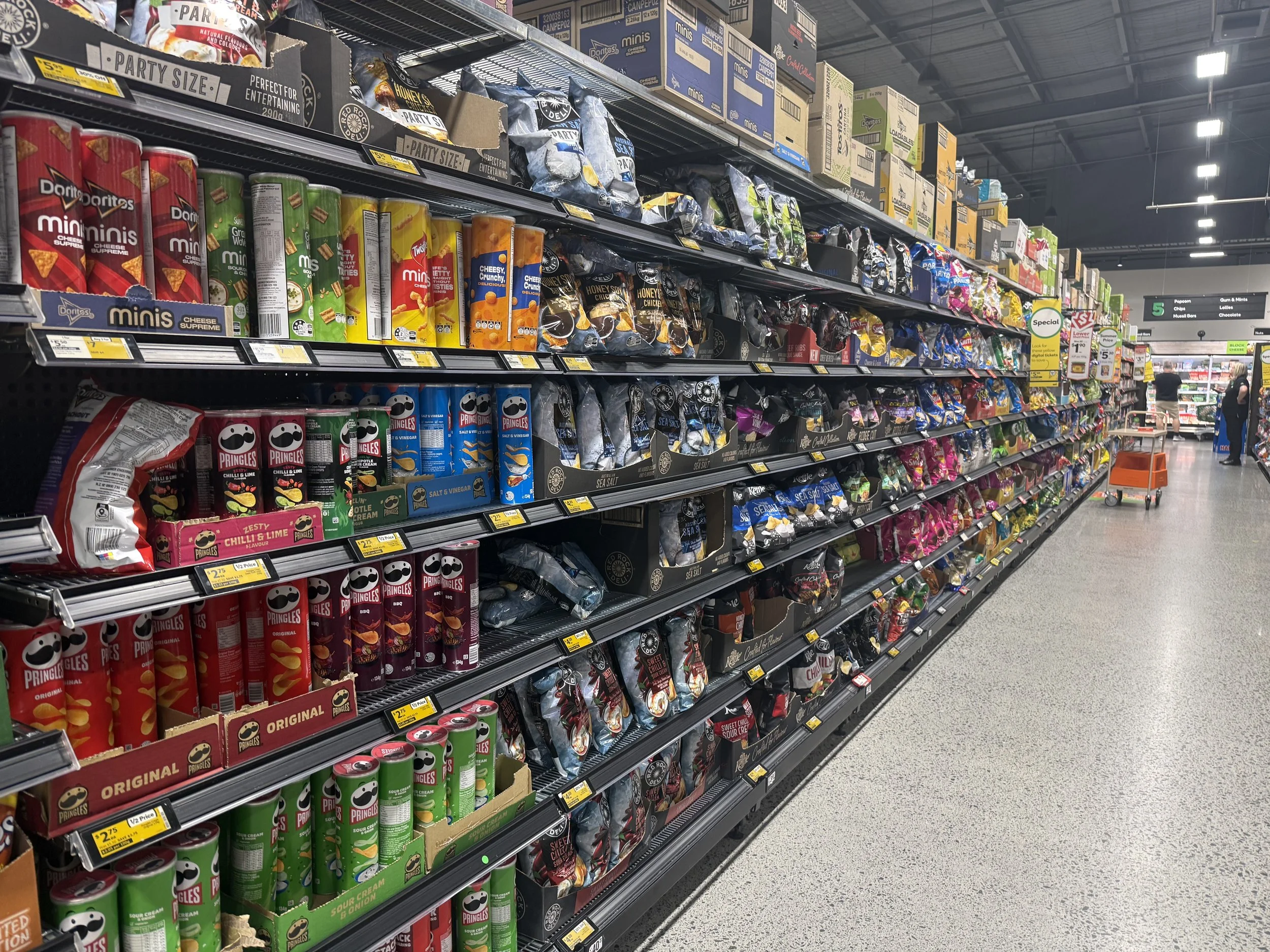
If we are what we eat, then these days we are about 50% ultra-processed food. Modern packaged food is often assembled or printed in factories rather than prepared in a kitchen. It’s created to last years on the shelf, just a moment in the mouth, and we are only just starting to learn about what it does in our stomach. Maltodextrin, calcium propionate, methylene chloride or potassium tripolyphosphate, ingredients so far removed from the original products that they are listed by numbers rather than name.
While the rise of these so-called “Frankenfoods” has revolutionised modern food preparation and ushered in a world of instant meals or snacks, it’s made life even harder for those trying to keep populations healthy and informed.
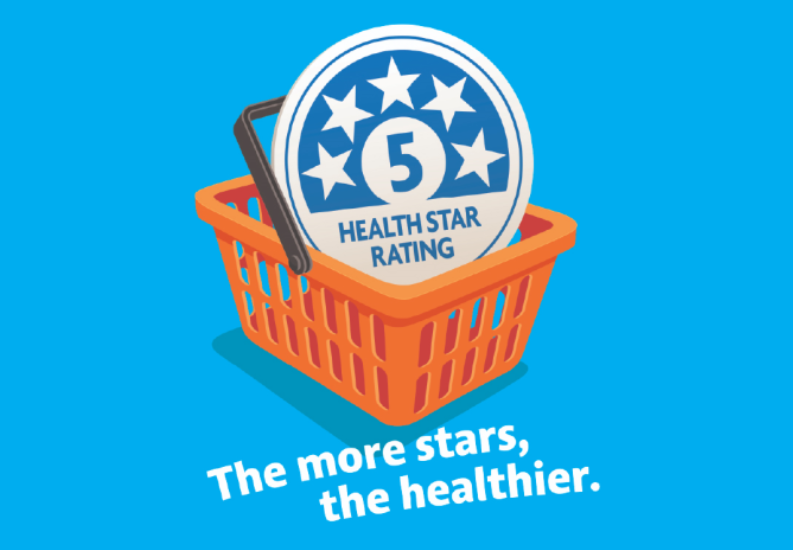
Most countries have laws about what is allowed to be in food, and if they come in a packet, what that packet says about the contents. Many, including Australia, have also tried to influence both consumers and producers by rating how healthy the item is. But how to do that, especially as discussions around eating guidelines become ever-more coloured by politics, trends or social media influencers making wildly unproveable claims.
One of those working hard to use science and evidence to guide regulators is Dr Alexandra Jones. She’s a Conjoint Associate Professor in the Faculty of Medicine, UNSW, and program lead in Food Governance at The George Institute for Global Health Dr Jones has a PhD in Medicine and Health (University of Sydney) and a Masters in Laws (Georgetown Law, Washington USA).
Where Are We At With Nutrition and Food Labelling?