Idea-ology
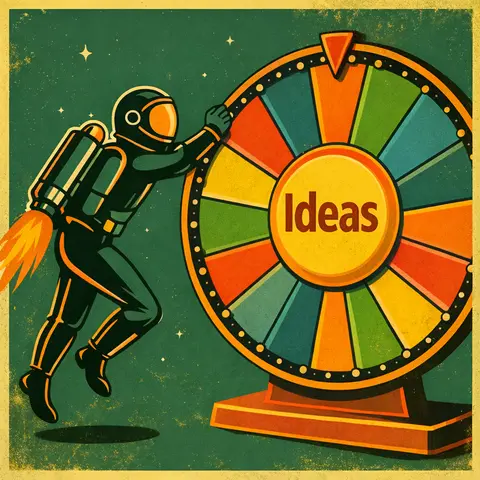
The one question asked more than any other, yes, even more than "How can I pay your show lots of money to keep making these fantastic episodes?", is "How do you come up with ideas?".
I could say it's the WAWAWPod "Magic Eight Ball" or dial phone numbers at random and see who picks up.
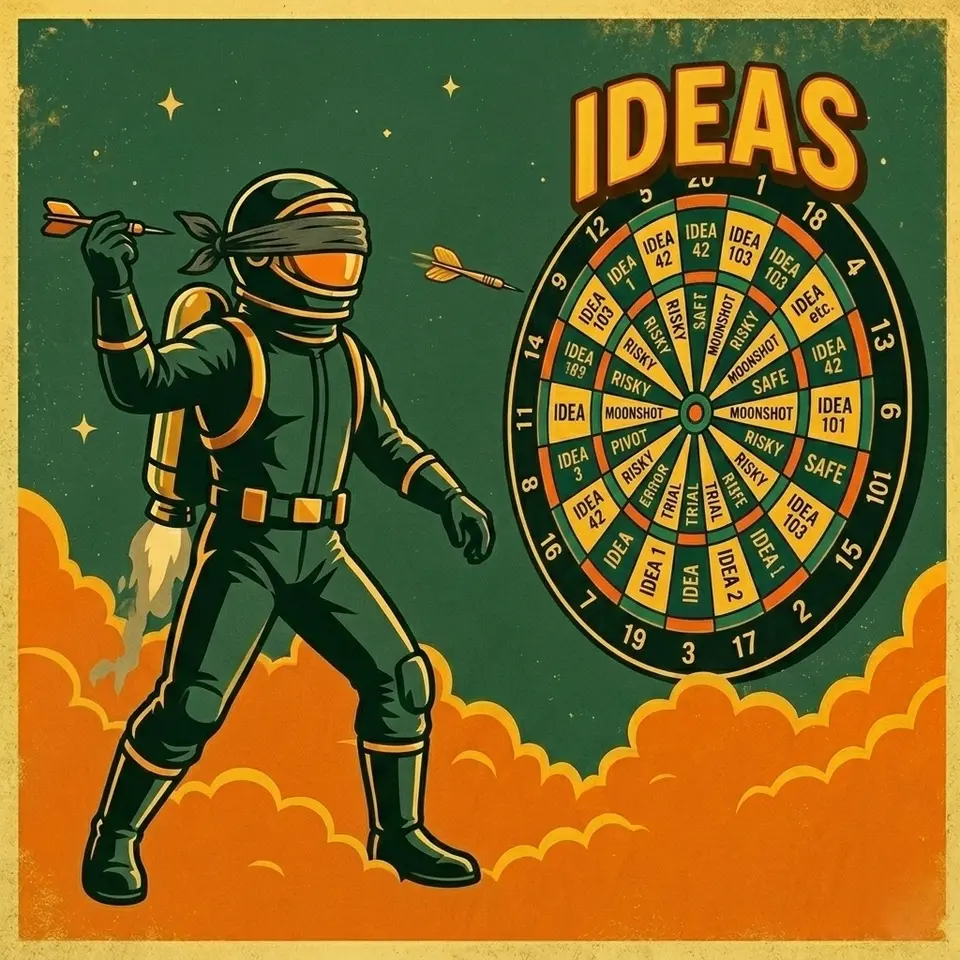
But the short answer is, just relax and let the mind meander.
There are always subjects that are developing and changing, whether it's the knowledge and understanding of ancient history through modern techniques and discoveries, or the cutting edge breakthroughs the change the way we live. For millennia, humans have attempted to predict the future, and so there's little shortage of examples we can revisit for a check-up with where we are at.
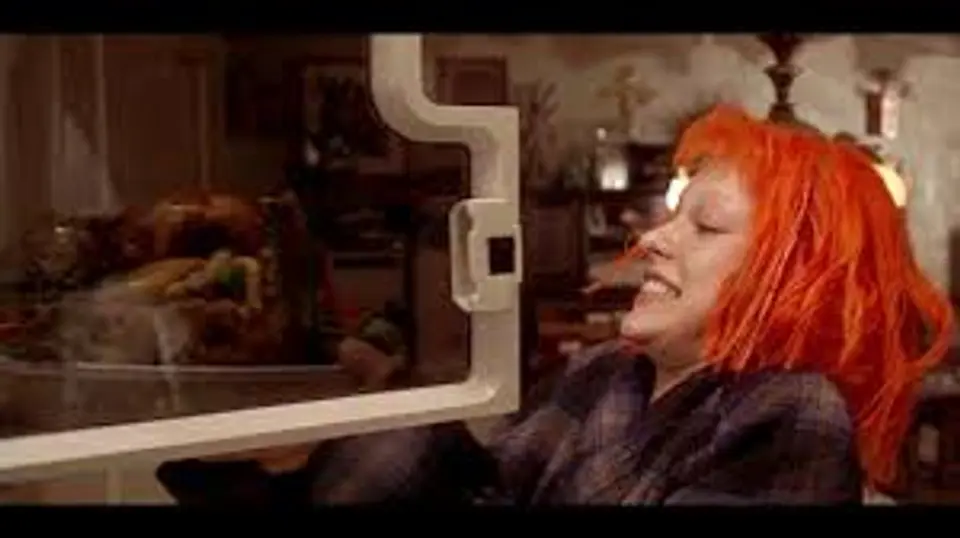
One avenue of inspiration is movies, TV shows or books that are set in, or predict, the future. Movies like "The Fifth Element", "iRobot", "Back to the Future" have already featured a few times in our episodes, and will continue to do so. The "meal-in-a-pill" concept used in The Fifth Element where the "Supreme Being", played by Mila Jovovich, drops a few pea-size capsules on a plate, presses a button, and then struggles to carry the now-heavy meal of chicken, vegetables and gravy, was the direct inspiration for looking at Ultra-Processed Foods.
That highlights another evolutionary influence. In seeking someone who's researching UPFs, we came across an award-winning young researcher working in the food-labelling space, Dr Alexandra Jones, and so the topic pivots to fit her work.
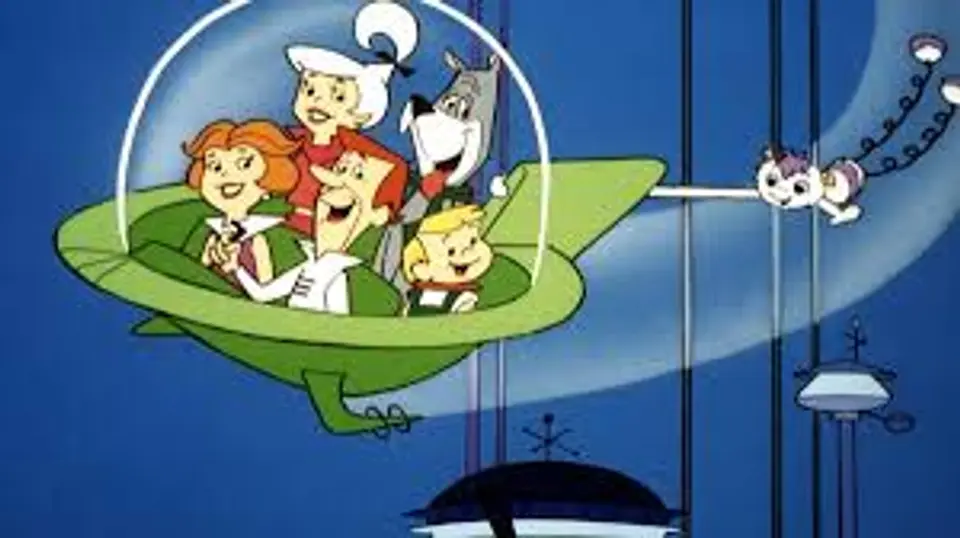
Our fashion experts grew from a few key inspirations, including the "Back to the Future" double-knotted ties, and even "The Jetsons, in which clothing was styled along the 1950s "Googie" architectural style, reflected in what's now known as "Streamline Moderne".
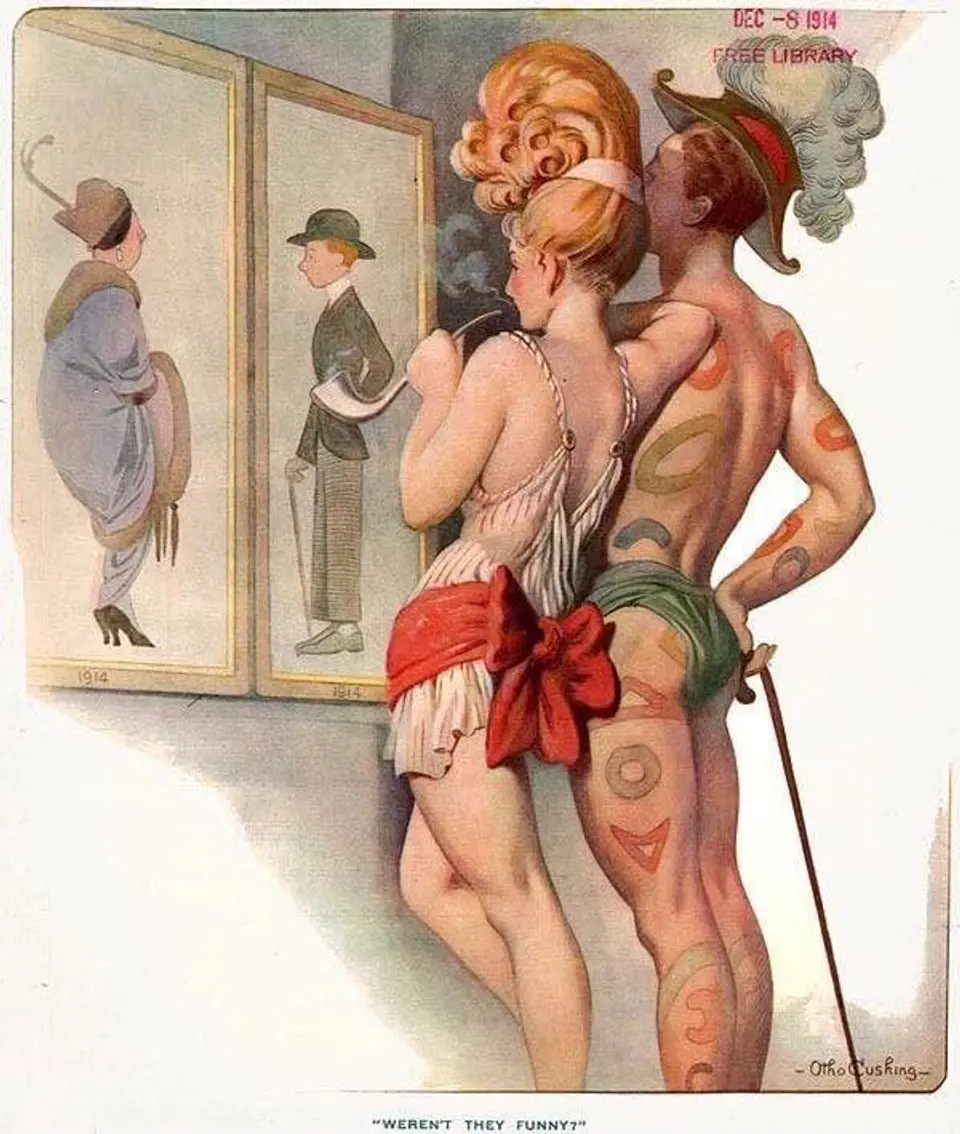
This famous image below, too, from a 1914 "Life Magazine" cover, always amused me. Predicting the people of the 1950s, dressed in loin cloths, a bizarrely-Nelsonian feathered hat, and geometric paint, with skin galore. They are looking back at the Edwardian fashions, and laughing at how quaint they are. It highlights both how quickly things change, and how wildly wrong most futurists are in so many things.
As a former journalist, I contributed to some of the media-based speculation too. "Is this the car of the future?" "Solar-cell infused paint might soon make your whole house a power generator." It's easy now to find old articles, TV shows or websites either predicting the future, or showing where other predictions were overstated, or under-estimated.
Many Australians will remember the "Beyond 2000" series, which became "Beyond Tomorrow", as Y2K threatened to spoil the party.
The wonderfully young Amanda Keller and Simon Reeve featured stories that left a lot of us gobsmacked, yet often proved to be well short of what ended up happening.
The 1989 BBC "Tomorrow's World" predicted the future house with electricity coursing through the walls so we, the modern inhabitants, only need to hold our hair dryer near the wall to power it. It's equally terrifying in its danger, and strangely accurate in predicting the rise of induction chargers for items like toothbrushes, kettles and now phones and watches.
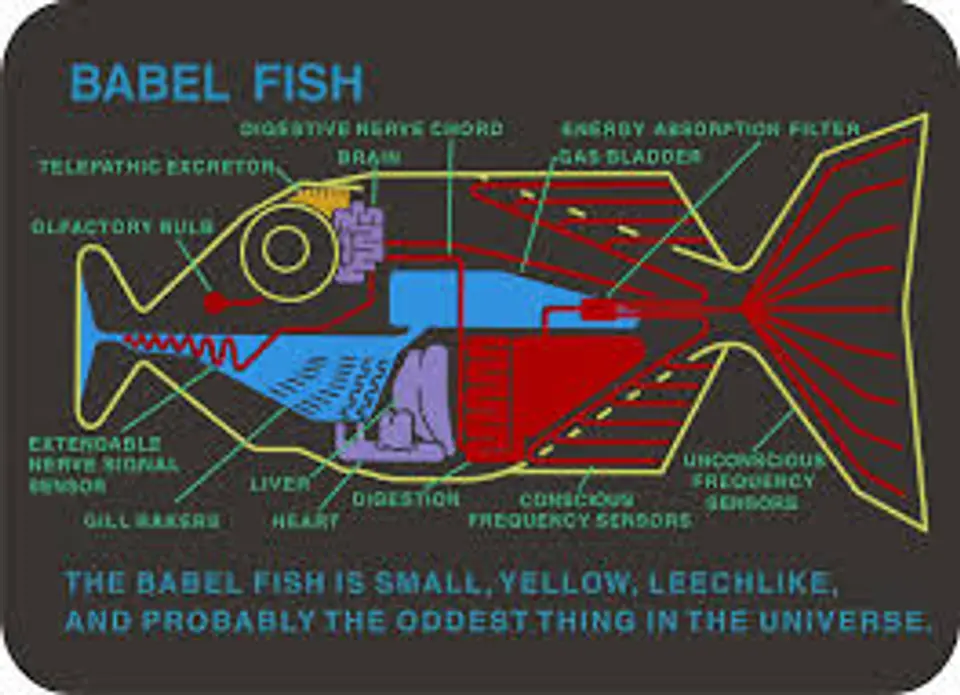
Friends and colleagues have also played a role. "Where are we at with neural translation implants?" asked Mel Dobbie, half-jokingly. My sarcastic retort that Google Translate is already doing it was quickly re-evaluated and so the wonderfully insightful Marc Orlando explained the differences between translating and interpreting, and why AI is great but needs human oversight.
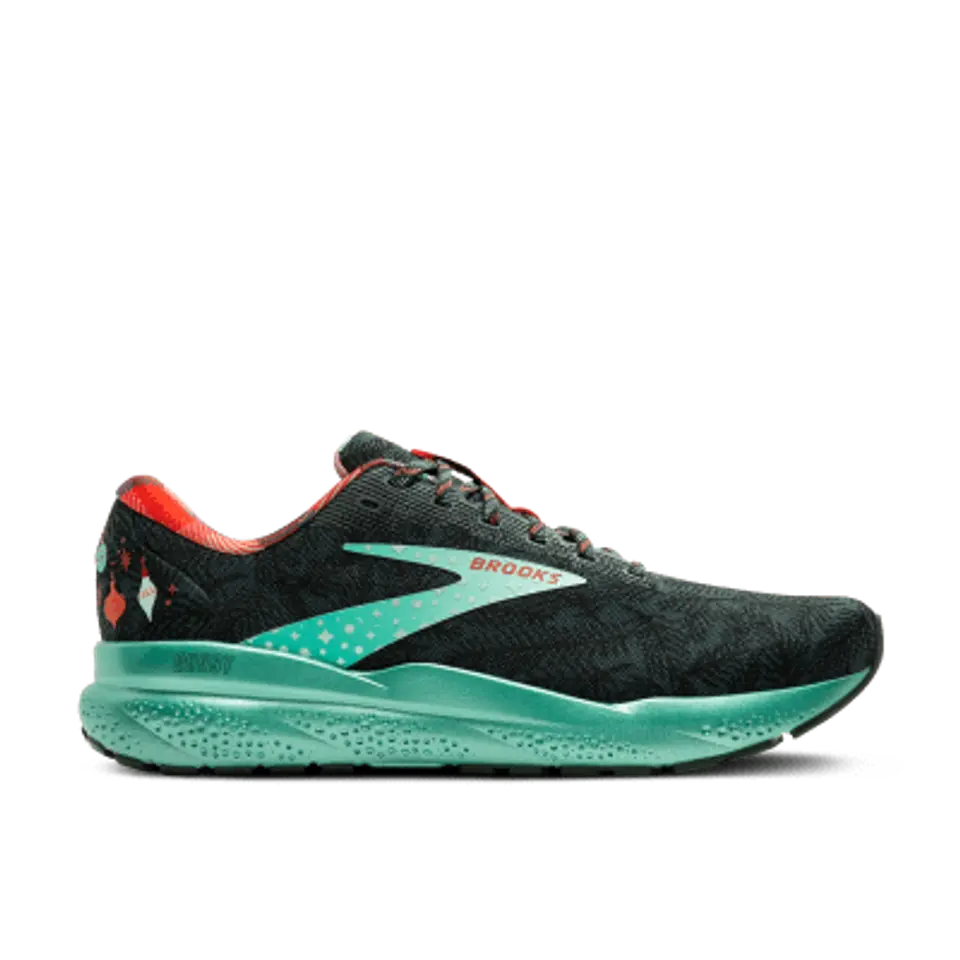
Lachlan Mackintosh pointed out how crazy it is that we now have running shoes that are banned because they're too good, and so we will soon be hearing from a QUT biomechanical expert on the evolution and use of human feet, footwear, and the brain's methods of making our gait as efficient as possible.
Our final method of topic inspiration is close to the heart of the purpose of our podcast. Wading through the fantastic work done by research facilities and their personnel, often un-reported anywhere but their specific journals and fields. Reading descriptions of the painstaking work advancing the knowledge of humanity, sometimes through discovery and sometimes through overturning previous assumptions.
Professor Rick Shine, cane toad and snake expert, wrote a book titled "So many snakes, so little time". The same can apply more broadly to episode topics for our podcast. Every moment, the limit of "Where Are We At With...?" any particular topic is being expanded. We are just lucky to speak to some of those involved in the process.

The wonder, and pain, of AI
