Episodes
July 22, 2026
Where Are We At With Sweat? Part 2 (Excess Sweat/Hyperhidrosis)
We've heard about how our body makes sweat, what's in it, how we can replace what we lose, and when and why we produce it. But what happens when our body gets its wires crossed and starts pumping out perspiration when or where we don't need it? Or maybe we need a little, but when our brain clicks the "Order Now" button, it accidentally requests way more than we were hoping for. Excessive or unwanted sweating is known as hyperhidrosis, and it affects around a million Australians. Professor Neil Simon is a neurologist who also treats people who suffer from the condition. It's time to get our sweat on again, in "The Resweatening!" When too much sweat really is more than enough.
Guest: Professor Neil Simon

July 7, 2026
Where Are We At With Urban Microclimates?
The global climate is changing faster than ever due to the actions of humans. But your local climate is too. Simple decisions like the colour of your roof, the location of a tree on a footpath or the material used in a children's playground can all have cascading effects on small-scale weather patterns. Perhaps it just raises the temperature a few degrees, or maybe it creates a hail storm where there wouldn't have been one, or flash-flooding that should never have happened. Dr Negin Nazarian from UNSW explains Where Are We At With Urban Microclimates?
Guest: Dr Negin Nazarian
June 21, 2026
Where Are We At With Sweat?
Humans are one of the few species of animals that use sweat to cool down. What's in the sweat, how it's made and how we replace what's lost have long been the focus of scientists, athletes, and companies trying to sell you recovery drinks. Join Professor Hugh Dunstan as he explains why products like Gatorade are only part of the answer, why sugar is legally required in an electrolyte drink, and how our bodies actually change the composition of the fluid depending on why we are sweating.
Guest: Richard Hugh Dunstan

June 7, 2026
Where Are We At With Rabbits?
Rabbit populations are once again reaching plague proportions in parts of Australia, despite the release of two incredibly successful diseases over the past century. Myxomatosis and then Calicivirus killed up to 99% of Australia's rabbits when they were introduced, but the rabbits have developed resistance, and we haven't yet found a new disease. Heidi Kleinert is our guest, she's the National Rabbit Management Coordinator at the Centre for Invasive Species Solutions. *EDIT* During the interview, Ms Kleinert says rabbits underground can overcome droughts and floods. She meant to say droughts and fires. Floods tend to be a little harder to hide under. She also twice refers to K5 as an antidote to either 1080 or future poisons. K5 is actually a rabbit poison itself, she intended to say vitamin K is an antigen used for dogs.
Guest: Heidi Kleinert

May 24, 2026
Where Are We At With Democracy?
Democracy is in danger. Around the world, the number people living in a democratic system is shrinking, and some of the biggest and most powerful democracies are showing dramatic signs of falling apart. If our vote doesn't guarantee our voice is heard, what can we do? Saffron Zomer is the CEO and founder of the Australian Democracy Network, an advocacy group intended to fight for a system Winston Churchill famously said was the worst form of government, except for all the other ones. Where Are We At With Democracy? https://www.wawawpod.com/
Guest: Saffron Zomer
May 10, 2026
Where Are We At With Crown of Thorns?
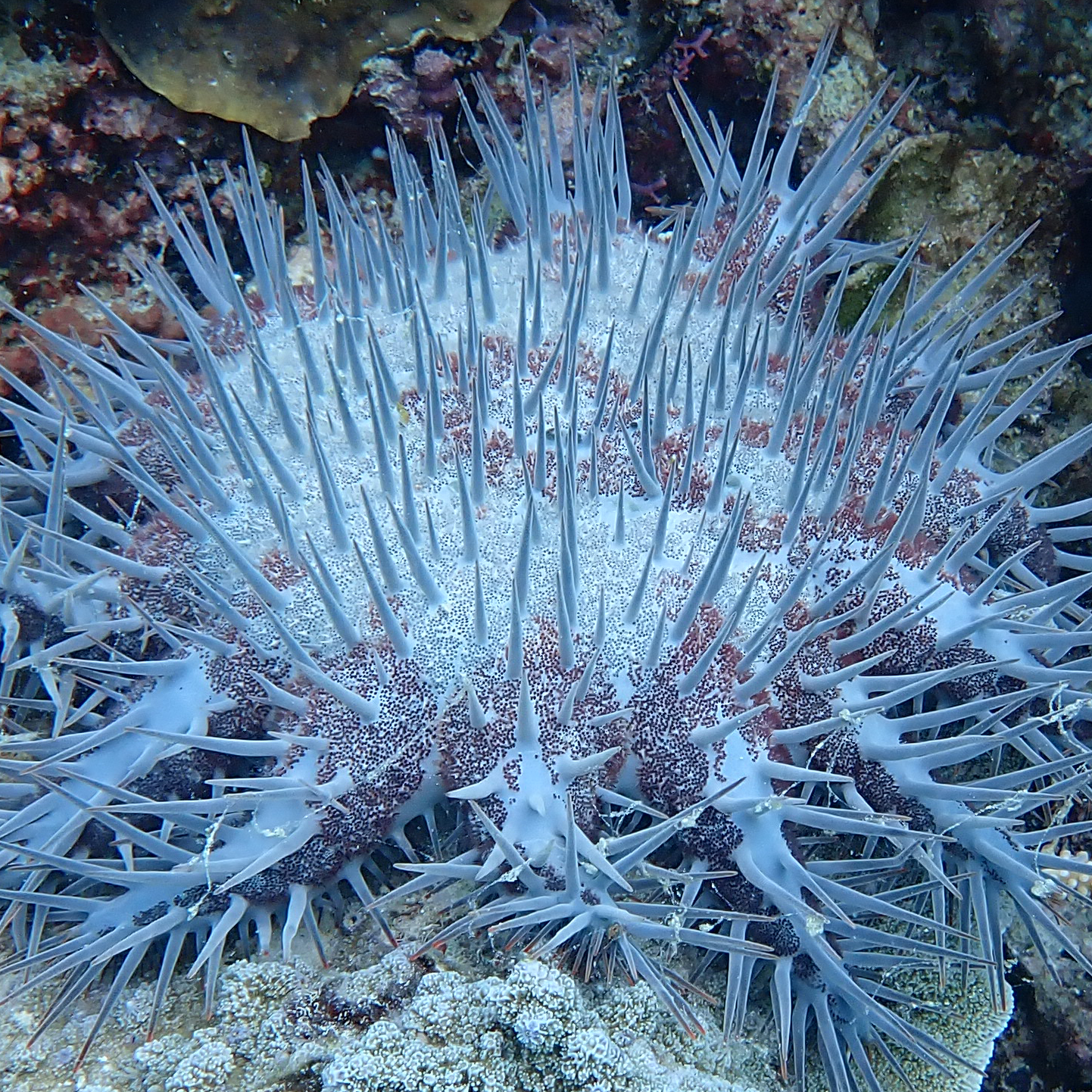
Coral reefs are under immense pressure around the world. Climate change, oil spills, pollution, plastics and tourists are all contributing. But for more than 60 years, we've been aware of another threat that is part of the reef ecosystem itself. The Crown of Thorns Starfish is voracious, venomous and very, very hard to stop. Professor Morgan Pratchett from James Cook University has spent three decades studying the creature in an effort to fight back.
Guest: Morgan Stuart Pratchett
April 26, 2026
Where Are We At With Sneakers?
The first casual running shoes were invented in the 1970s, and within 50 years, some of them are so good that they're banned for competitions. But our feet didn't evolve to wear shoes. Millenia of improvements left humans with unique, brilliantly adapted structures for movement. A big brain and fast feet took us to the top of the ancient food chain. Now, we wear shoes every day, and for myriad activities. People like Professor Glen Lichtwark from QUT are trying to discover how we manage our movement, with or without shoes.
Guest: Glen Lichtwark
April 13, 2026
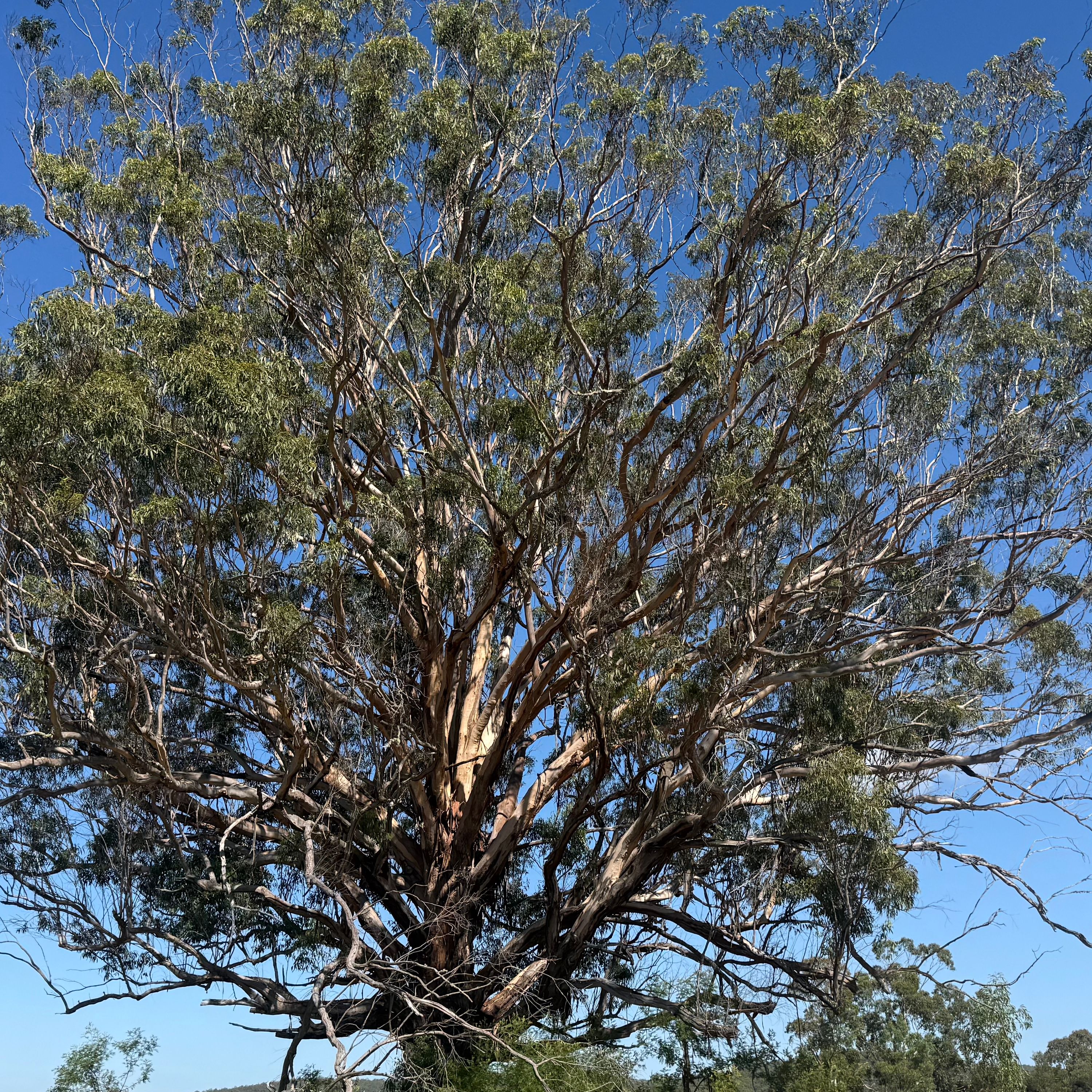
Where Are We At With Eucalyptus?
Eucalyptus trees define the Australian landscape. However, what sustained First Nations Australians for millennia mystified and frightened European colonisers. Now, Eucalypts are grown around the world, often causing immense damage to the local economy, environment and culture. One of the world's most respected botanists, Professor Stephen Hopper from the University of Western Australia, explains what modern science can tell us about these trees, and how ancient knowledge can help protect them.
Guest: Stephen D. Hopper AC
March 29, 2026
Where Are We At With Consciousness?
What does our brain do when we dream? Can we tell if someone is dreaming just by scanning their brainwaves? What do we mean by conscious? Does ADHD make the brain act like it's dreaming during the day? How many people are actually aware during hospital operations? Just some of the deep and challenging questions that people like Professor Nao Tsuchiya from Monash University are trying to answer, using science, philosophy, psychology and maths.
Guest: Professor Nao Tsuchiya
March 21, 2026
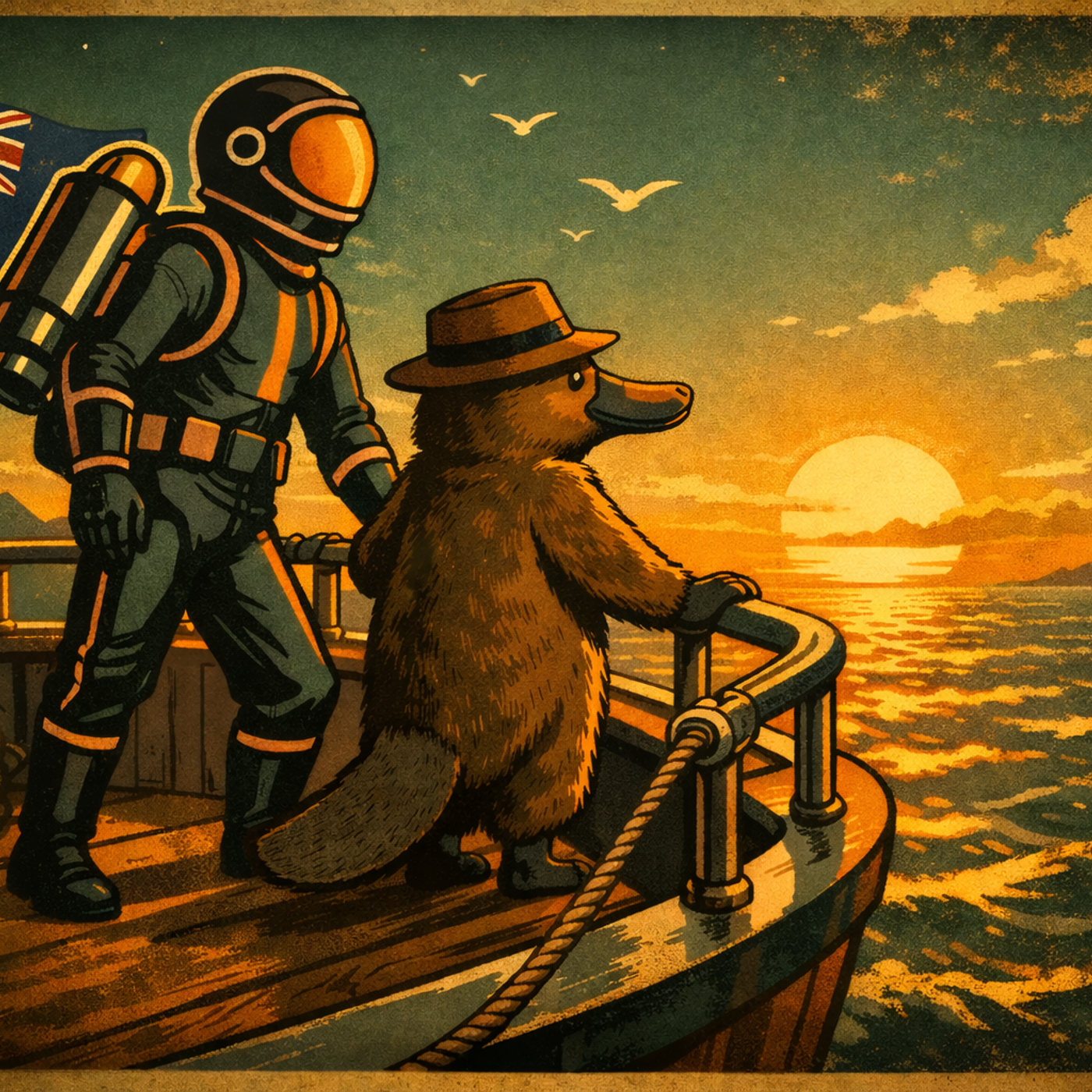
"Operation Winston"
1943. The British Prime Minister, Winston Churchill, is dealing with the greatest threat to his nation since the Spanish Armada. But somehow, he makes it known that he wishes Australia to send him some live platypuses. Incredible, but true. This is a bonus addition to our most recent episode, "Where Are We At With Platypuses?".
Guest: Dr Harrison Croft
March 15, 2026
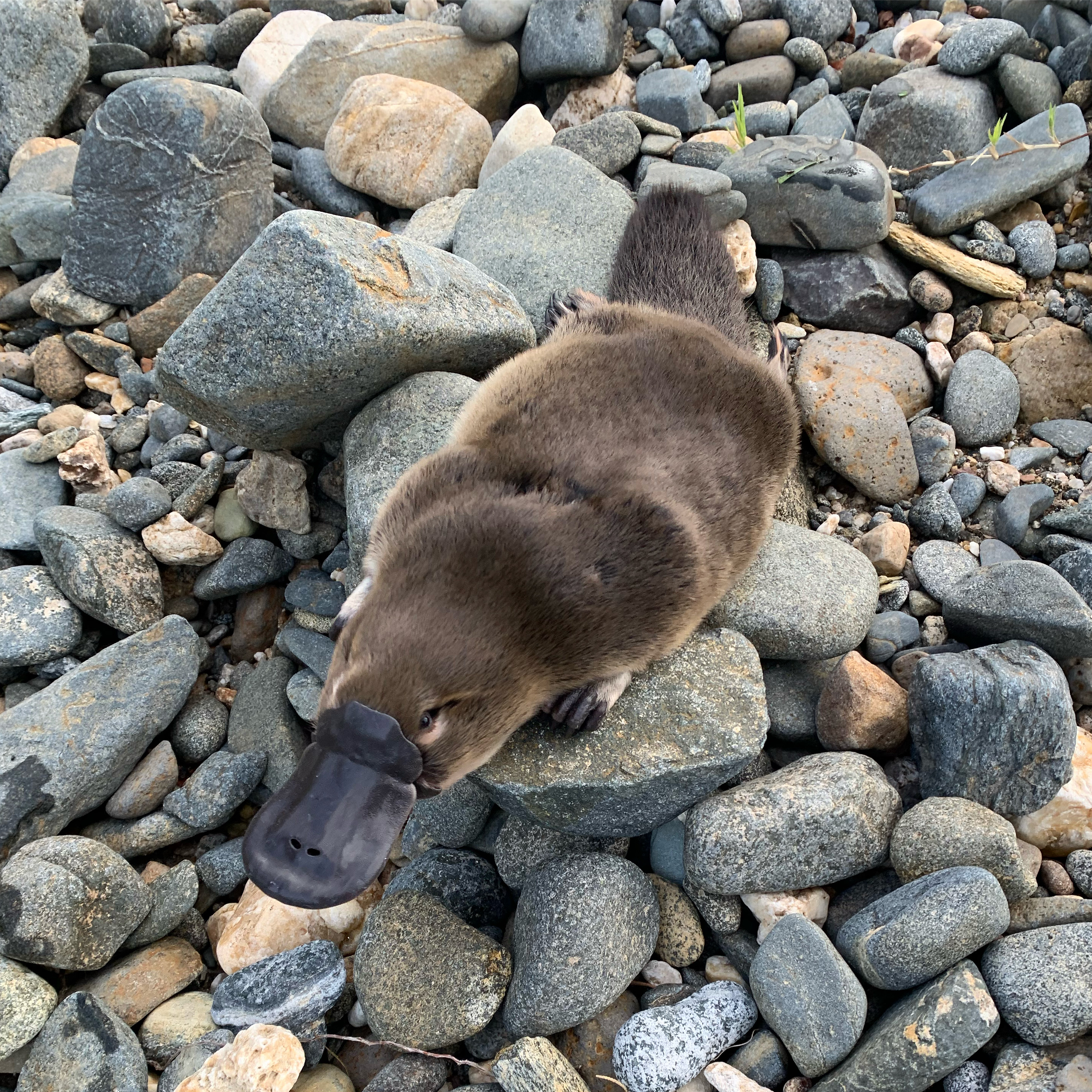
Where Are We At With Platypuses?
Lots of people don't believe the platypus is a real creature. Bill like a duck, tail like a beaver, body like an otter and venom like a cobra. It's like someone hit the "Randomise" button in the character creation section. They are real, but with their numbers declining in many areas, who knows for how long? Dr Tahneal Hawke from UNSW and Taronga Conservation Society joins us to talk all things ornithorhynchus.
Guest: Dr Tahneal Hawke
March 1, 2026
Where Are We At With Universal Translators?
Apps like Google or Microsoft Translate claim to have removed the language barrier. But few people would trust an app to interpret their complex medical history, or relay critical information in a court case. Human translators and interpreters have formed critical links between civilisations and thinkers for millennia. Professor Marc Orlando from Macquarie University tells us where things can still get lost in translation.
Guest: Professor Marc Orlando

Feb. 23, 2026
Where Are We At With Fashion Part 2
The global fashion industry contributes to modern slavery, environmental destruction, and unrealistic body images. But there are solutions. People like Professor Alice Payne from RMIT are working towards a sustainable, responsible and circular process that allows those of us who wear clothes to make the best choices for ourselves and the planet.
Guest: Professor Alice Payne

Feb. 16, 2026
Where Are We At With Fashion? Part 1
Watch a movie from the 50s or 60s about the future, and apparently, we should be all wearing silver jumpsuits or coloured PVC by now. Most of us aren't, but what we are wearing is shaped by a myriad external influences, be they cultural, social, demographic, economic, political, or more. Fashion historian, Dr Madeleine Seys from Adelaide University explains what role colonisation played on fashion in Australia, and why active-wear was already a thing 200 years ago.
Guest: Dr Madeleine Seys
Feb. 9, 2026
Where Are We At With Military Drones?
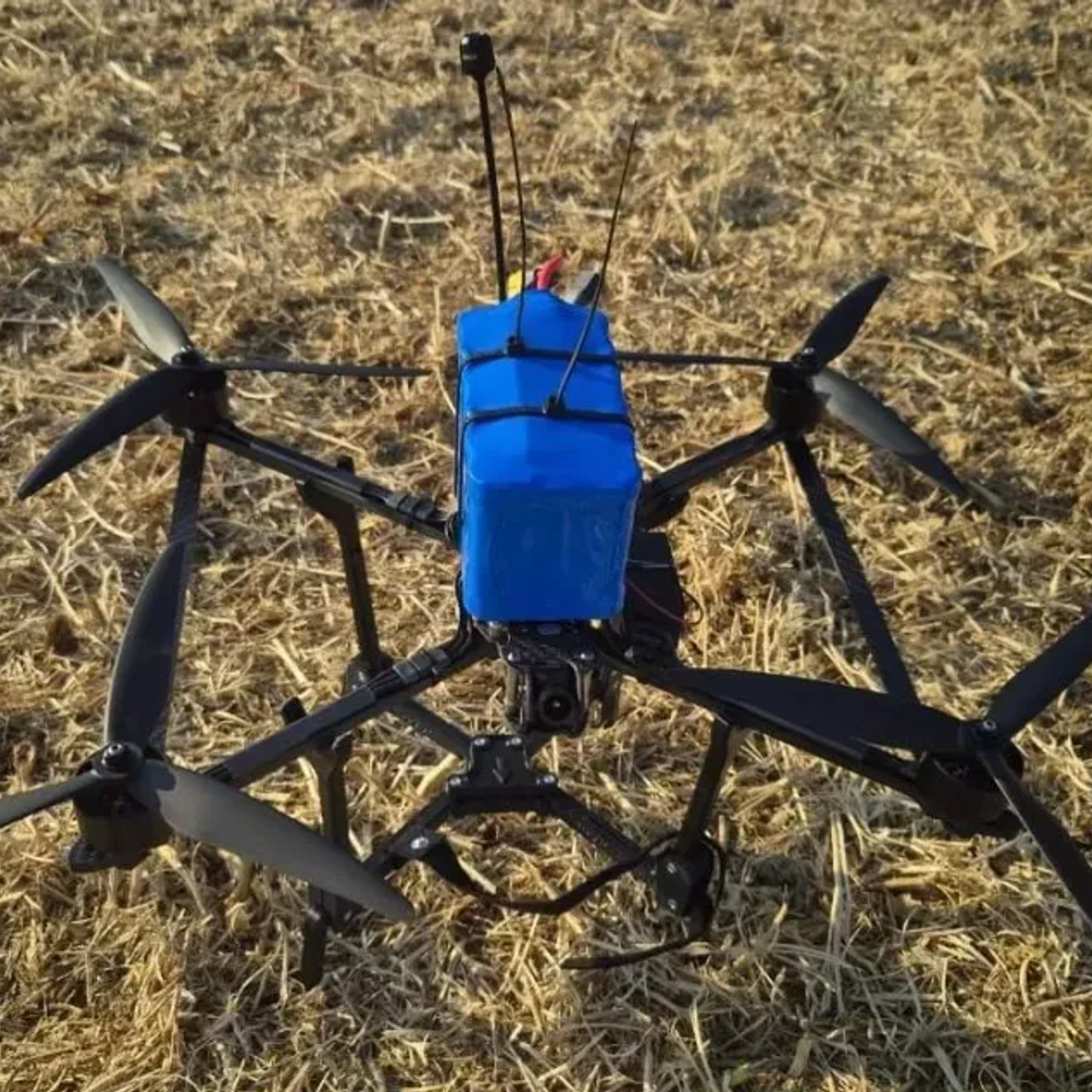
No longer just an eye in the sky, drones in the air, sea and on land have changed military strategy forever. The invasion of Ukraine by Russia has killed tens of thousands of soldiers and civilians alike. To the world's horror, international law and expectations have been savagely upended, but to its surprise, the smaller nation has managed to keep fighting. Dr Oleksandra Molloy from UNSW explains why drones have become the most important weapon on the battlefield, but will never replace their human pilots. Cover image from Ukraine Ministry of Defence. GTU. GTTH.
Guest: Dr Oleksandra Molloy

Feb. 2, 2026
Where Are We At With Vaccinations?
Vaccines work. The science has repeatedly shown what an incredible impact they have had on diseases, especially those mostly caught in childhood. But some people continue to hold out, due to either the fear-mongering of a few, health-system mistakes by governments, or the potential conflict of corporate interests. Professor Julie Leask AO from the University of Sydney has spent decades finding out how to change their minds.
Guest: Professor Julie Leask
8
Jan. 26, 2026
Where Are We At With Nuclear Fusion?
Nuclear fusion is the holy grail of power production. It is what powers the Sun and all the stars we see in the night sky. For the past 80 years, scientists have been saying it's been only 30 years away from being perfected. Except now, with the massive projected electricity demands of AI and the scaling back of fossil fuel use, it could be close to reality. Our guest is Dr Warren McKenzie, Managing Director of HB11, a small Australian company looking to power the world into the future.
Guest: Dr Warren McKenzie
Jan. 19, 2026
Where Are We At With Food Labelling?
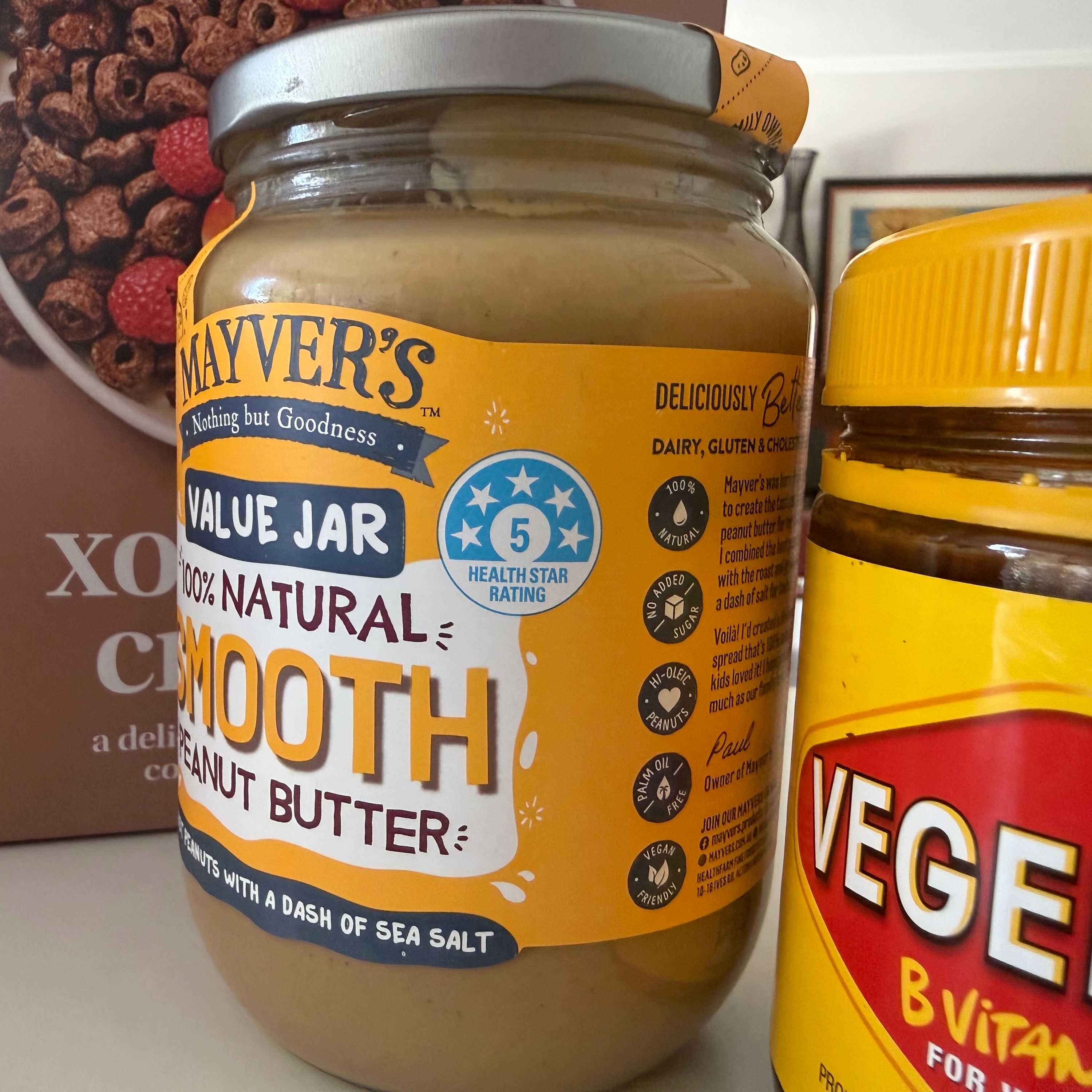
"Frankenfoods". Ultra-processed foods formed in factories, not created in kitchens, make up about half of Australians' nutritional intake. Labelling the food we eat correctly while also letting us know what is healthy and what is going to kill us. Eventually. Dr Alexandra Jones from UNSW and The George Institute for Global Health joins us to help understand Where Are We At With Nutrition and Food Labelling?
Guest: Dr Alexandra Jones

6
Jan. 12, 2026
Where Are We At With Body (re)Building?
Spring-loaded false teeth, fish-skin grafts, pig-heart transplants and bionic limbs. Just some of the ways we have repaired, replaced or reengineered the human body. Join New York Times multi-best selling author, all time TED-talk top ten speaker, and all-round entertaining person Mary Roach discussing her new book on the topic, "Replaceable You". (Warning, some pigs may have been harmed when their hearts were removed)
Guest: Mary Roach
5
Jan. 5, 2026
Where Are We At With Koala Chlamydia?
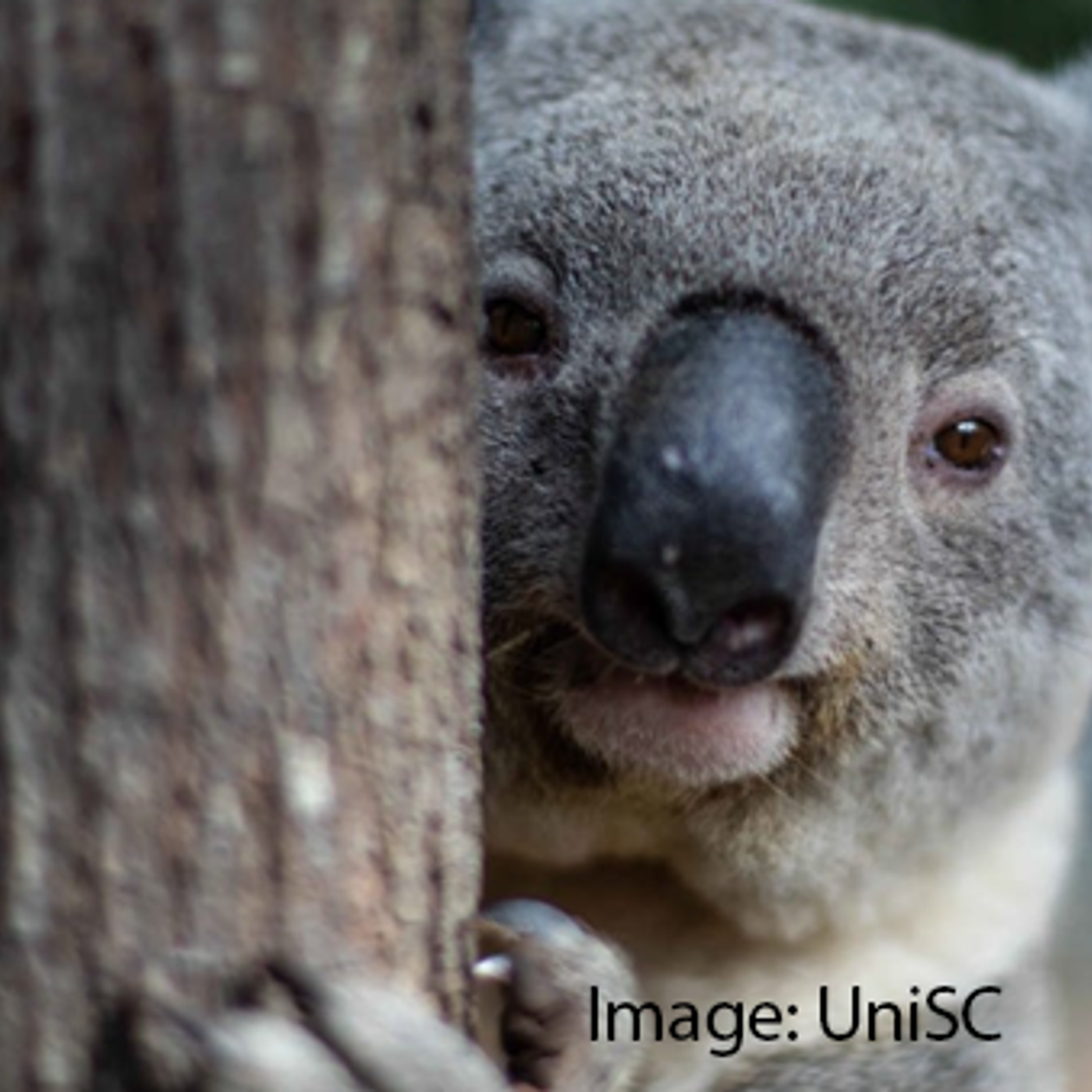
Koalas did not catch chlamydia from humans. Humans can't catch it from koalas either, but we can catch it from birds! Koala chlamydia often makes people snigger, thinking that the animal symbol of Australia can get what we think of as an STD. But the disease is decimating populations of the fluffy marsupial that are already struggling due to habitat destruction, road deaths and the curse of the feral cat, fox and dog. Not all is lost, however. Professor Peter Timms and his colleagues at the University of the Sunshine Coast in Australia have brought to market the very first vaccine for koala chlamydia. Find out how they first caught the disease, why fact that antibiotics can cure the disease but then the koala can't feed, and why baby koalas eating poop is both good and bad.
Guest: Professor Peter Timms
4
Dec. 21, 2025
Where Are We At With Climate Science?
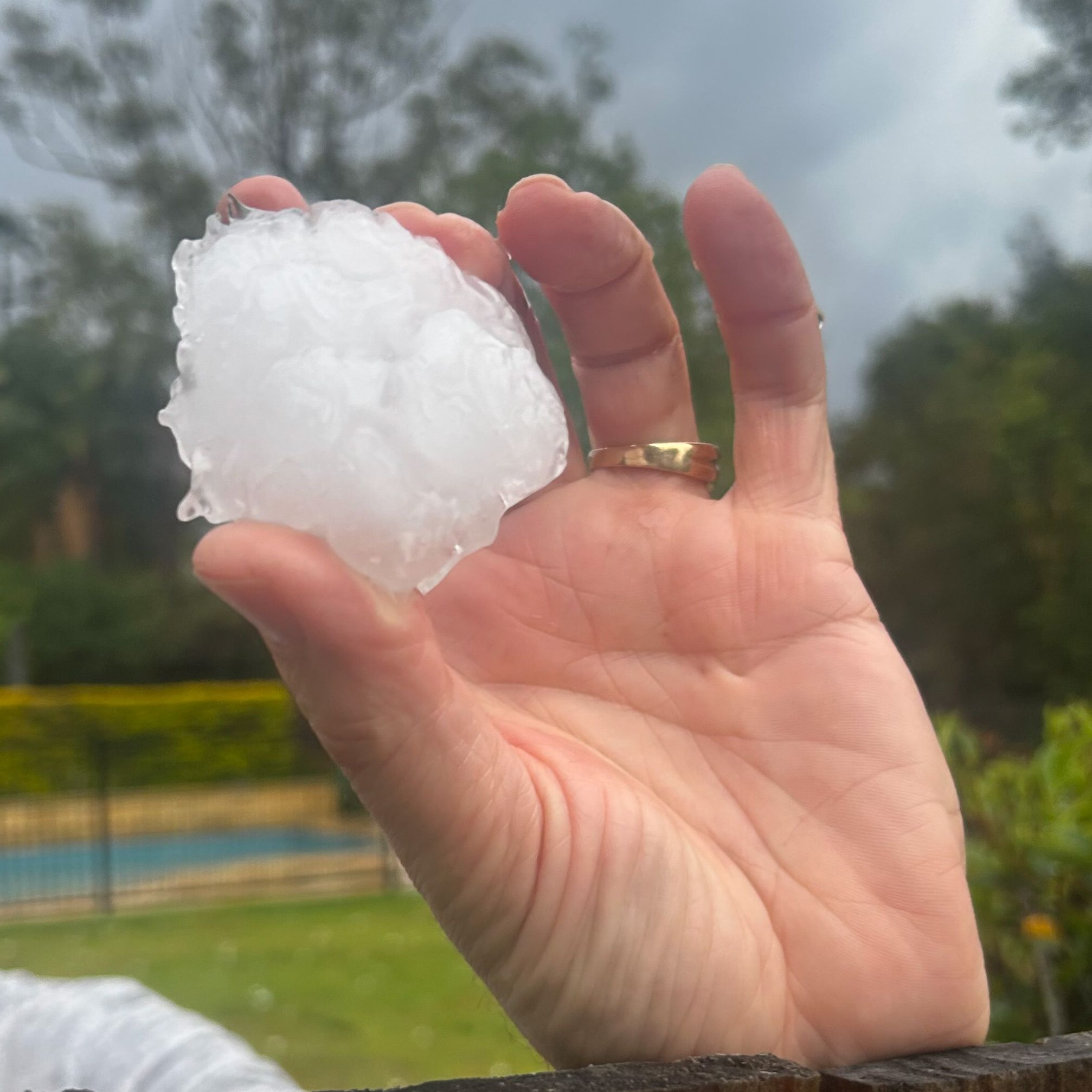
Thunderbolt and lightning, very, very frightening, to me, and most of the sane world, given that climate change promises more frequent and intense storms, as well as droughts, and floods. Forecasters and meteorologists rely on centuries of observations and modelling. Data is now available in exponentially greater volume and distribution and using it are not just humans, but computers with learning Artificial Intelligence that are trying to predict what even a tiny change might do to the weather across the entire planet. What if we could predict not just the size of hail, but where it will land, as well as what areas are more prone to lightning, and how to improve food security in the rapidly changing climate? Professor Hamish McGowan is a Geographer and Professor of Atmospheric and Climate Sciences. He leads the Weather and Climate Science Research Alliance at the University of Queensland.
Guest: Professor Hamish McGowan
3
Dec. 20, 2025
Where Are We At With Frog Fungus?
Frogs tend not to get a lot of love around the world. In fact, we often refer to them in negative terms. Kissing a frog to get a prince, basically doing something unpleasant to yield a positive result. Mark Twain supposedly told us to “Eat the frog” first thing in the morning, meaning do the worst and hardest thing first to get it out of the way. They, and their amphibian cousins, have been devasted by a fungal disease first identified in Queensland, Australia but found all over the world. Dr Tiffany Kosch, from the University of Melbourne, joins us to explain what radical options there are for saving frogs, the work she and her team did in sequencing the genome of the iconic Southern Corroboree Frog from Australia, and why women peeing on frogs didn’t spread the disease. Although you probably weren’t thinking they did anyway.
Guest: Dr Tiffany Kosch

2
Dec. 19, 2025
Where Are We At With Autonomous Vehicles?
The car of the future is apparently one that we don't even control. Autonomous vehicles are already commonplace in large mines, and have been popping up in a number of cities around the world as taxis. Professor Michael Milford is the Director of the QUT Centre for Robotics in Brisbane, Australia. He explains why the ability to not drive yourself is a relief, the key hurdles that have already been overcome, and just how soon we will all be letting go of the steering wheel.
Guest: Professor Michael Milford
Dec. 7, 2025
Trailer
Jetpacks, flying cars, cure for cancer, the hole in the ozone layer, fashion, fusion and frogs. Just some of the topics we will find out just Where We Are At With in this new podcast from journalist David Curnow.