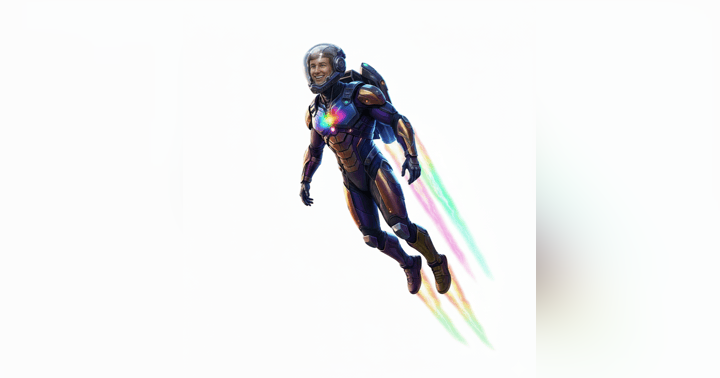
This thing has momentum, and an insatiable appetite.
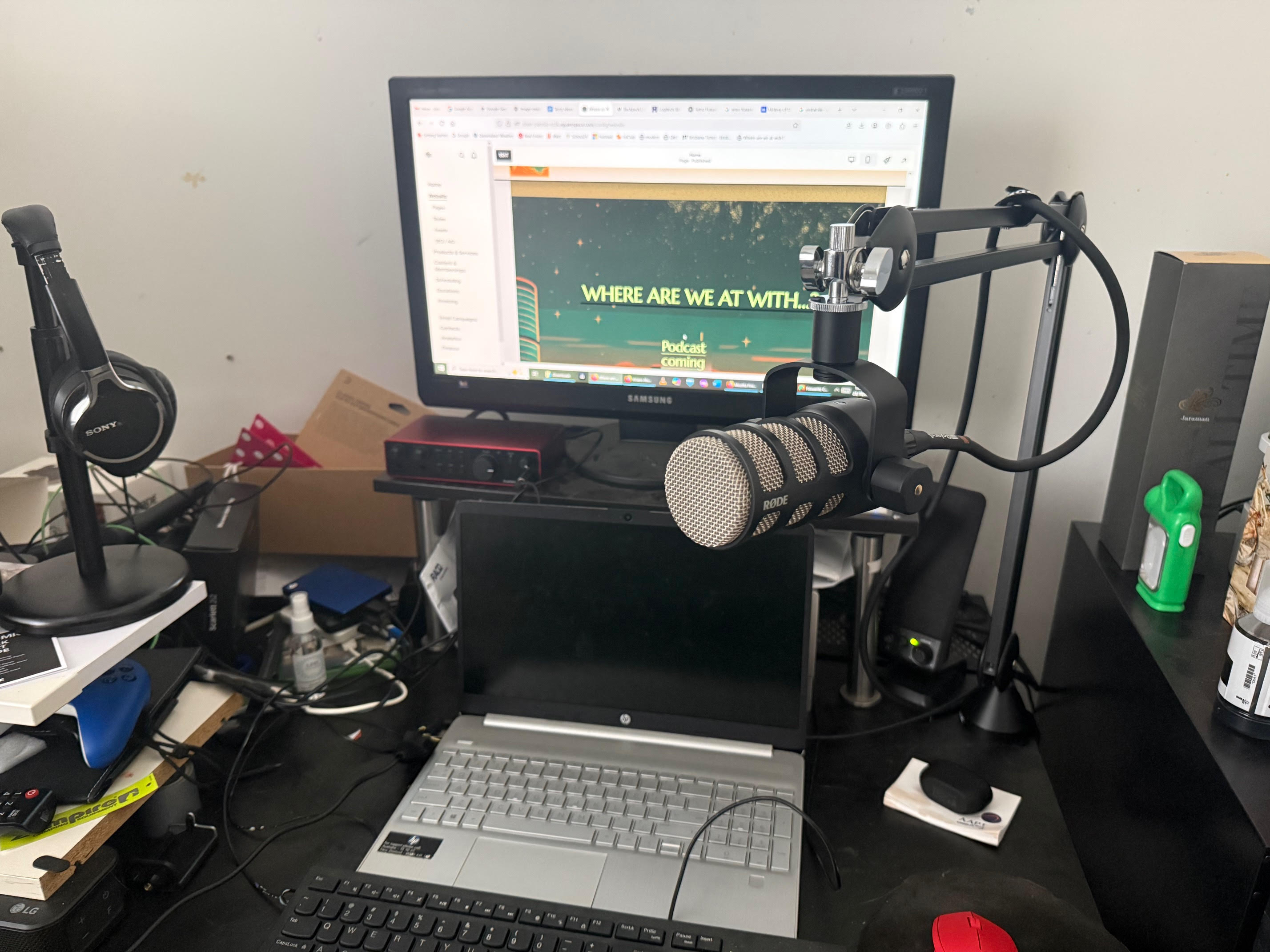
It's been a long time between drinks. And by drinks I mean productive outputs that aren't just dad jokes, or cooking family dinners. For several years now, a variety of podcast ideas have been flashing, shiny objects flaring in my head, and, in true neurodivergent style, they were all swept into the "Might not succeed, better off not trying" folder of my scattered mental drive.
But as part of a journey to improved physical health, that mental drive began slowly sorting through the quick-saves and random downloads. (I'm only going to flog this "my brain is a computer hard drive" thing a little more, I promise.) Re-examining various ideas reallocated one of them to the "What if it does succeed, you can only find out by trying" folder.
My favourite part of hosting a radio program on the ABC (apart from the producers, he says, obviously sucking up to those who have put up with him as a colleague before) was speaking to passionate, talented, intelligent people who knew things. Things that lots of others didn't know and in most cases even consider it could be known. A mycologist, a road surface engineer, snake venom researcher, sports psychologist. Wouldn't it be good to speak to those sorts of people every week, and share their smarts with the rest of the world. While not necessarily always academics, people with that sort of knowledge are often not able, or asked, to share their insights with the broader population. A conference or journal article moves understanding forward broadly, but how good is it to hear from the source?
Previously, I had always thought of revisiting my radio segment titled "Ologies" begun under the late, great Tom Greenard's production stewardship. Since we first came up with the idea, however, a similar podcast had begun, and flourished under the delightfully whimsical Alie Ward in the US, and even more annoyingly, she continues to do it far better than I could. She's won a Webby for it, and last year Time Magazine included "Ologies" in its "100 Greatest Podcasts of all time". You're welcome, Alie.
Then, in wondering about what's happening with jetpacks, I followed the internet rabbit hole as far as I could, and was surprised by what was at the bottom. (No, not the bodies of people whose jetpacks had failed or run out fuel.) Jetpacks have been successfully built, flown and sold to paying customers for years now. Only, the demand never really took off. So to speak. News stories featuring paramedics using them to reach hikers in the UK's Lake District, or the military using them as amphibious landing assault methods were just quirky, "what'll they think of next?" pieces. Attempts to create jet-pack racing leagues failed due to a lack of interest, money or safety features. Apparently you can have a jet pack, or a parachute, but not both. So something that seemed a lock-in for "Tool of the Future" (no, not Elon Musk) was made, and now gathers dust.
How many other technologies that we thought would be here by now have gone by the wayside? What sort of challenges have developers faced, circumvented or overcome? Research and application of new ideas is happening all around us, often whether we like it or not. There is always something to learn more about, always a topic that has bizarre side-alleys and dead ends, and yet is still being advanced by the work of smart people around the world. (Mostly smart, I suppose, because someone still brought lamington-flavoured potato chips to market.)
So was born "Where Are We At With...?".
To the displeasure of The Minister For Finance, small sums have been outlaid to improve sound recording and editing capabilities, and I have even begun getting semi-regular haircuts again. But most importantly, my first tentative, imposter-syndrome-laced emails were replied to almost immediately (literally half an hour in one case, on a Sunday afternoon) with enthusiastic affirmatives. "What a great idea for a podcast!" "Oh, that sounds exactly like the sort of thing I would want to listen to, count me in." In the case of the first half dozen guests who agreed to come on the show, the show didn't yet exist. Nor did a website, an email account, or really any idea of how to take the hobby to the next level. In the case of Mary Roach, an American author whose TED talk alone has had 43 million views, and appeared on the Daily Show, Colbert Report and a long list of immensely popular podcasts, she replied within days, keen and wanting to arrange to speak. I had to get quite creative to obtain a copy of the book we would speak about, but it had to happen in order to speak to her. After appearing on Neil DeGrasse Tyson's podcast, she then spoke to me for over an hour.
The point is that smart people doing interesting work deserve to be heard, and if I can help their voice be shared just a little further than it was before. In Mary's case, she does the same thing, and then I am effectively retweeting her version.
Now I have academics and industry representatives lining up for weeks in advance, and I continue to work with a small group of super-generous helpers to make everything happen. Web-design and management, audio and video recording and editing, post-production, music, guest bios, social media publicity are all time-consuming. And that's before we even begin researching so I have the faintest clue about nuclear fusion, gender-role influences on fashion, or the latest in military drone technology.
It's been a rapid increase in processing speeds, and I just hope my CBU (Callow Brain Unit) can keep up.
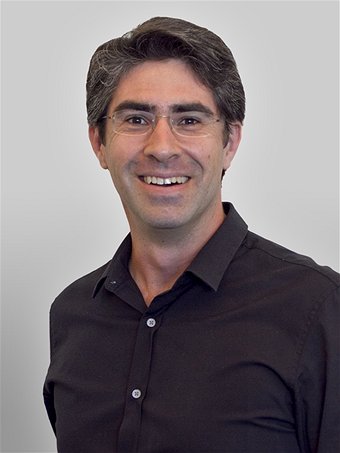
Podcast host
David Curnow is an award-winning journalist, newsreader, and television and radio host with more than 20 years’ experience. His endless curiosity, and delight in speaking to smart people about the incredible work they do works hand in hand with the desire to find out what’s going on with all those stories of the next big thing or world-changing technology.
Let’s be honest, journalists and podcasters are all just gossips wanting to be the ones to tell you something. It’s just in this case it’s well worth knowing.
Idea-ology