Guests
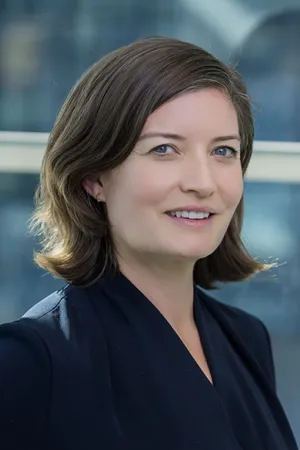
Dr Alexandra Jones
Program Lead - Food Governance, The George Institute for Global Health Conjoint Associate Professor, Faculty of Medicine, UNSW Ph.D. (Medicine and Health), LL.M. (Global Health Law), LLB, BA Alexandra Jones is a public health lawyer and researcher leading a program of work on regulatory strategies to promote healthier, more sustainable diets. Her work uses an innovative mix of law and science to generate evidence that supports policymakers to design and implement policies with maximum public health impact. She works closely with UN agencies, national and state governments, public health and consumer organizations, and academic collaborators to translate evidence into effective action. Ali’s current research interests include food labelling, composition, pricing and marketing policies. She also supports the Institute’s growing work on the commercial determinants of health. Her PhD explored Australia’s Health Star Rating system and similar front-of-pack nutrition labels used wor…
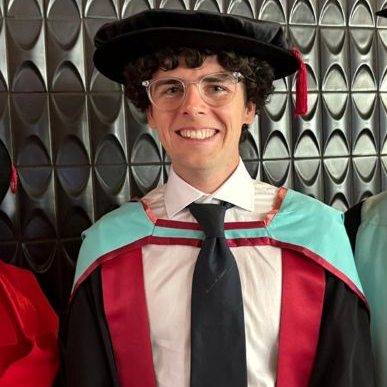
Dr Harrison Croft
Augsburg University, Germany 2025-11-01 to present | Humboldt Research Fellow (Centre for Global Environmental History and Environmental Humanities) Monash University, Australia 2023-01 to 2025-06 | Assistant Lecturer (School of Philosophical, Historical, and Indigenous Studies)
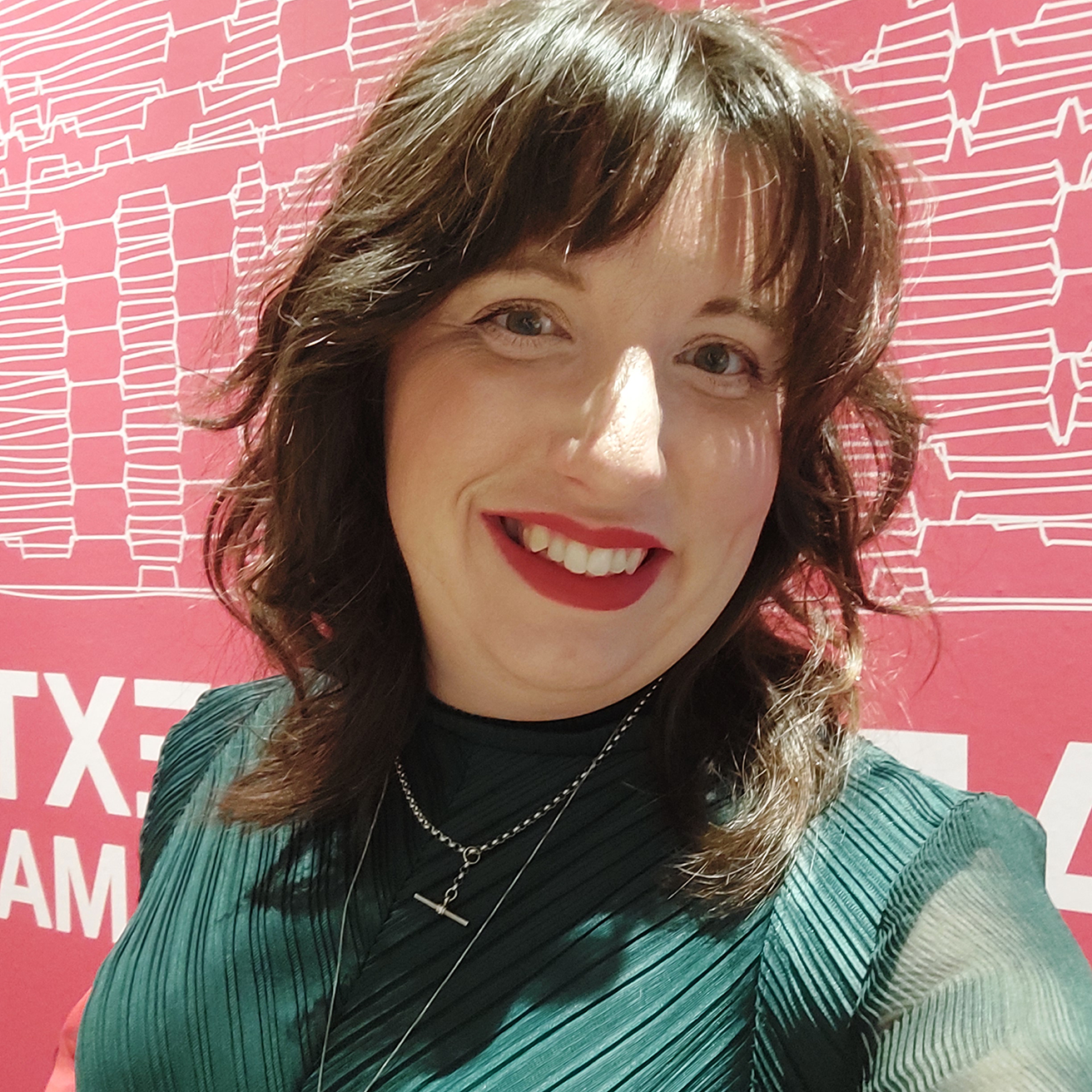
Dr Madeleine Seys
Adelaide University's School of Humanities, College of Creative Arts, Design and Humanities. I am a researcher, writer and artist in the interwoven fields of literary studies and material cultural studies. My research explores: nineteenth-century literary and fashion histories; Australian literary and material histories; Pasifika photography and visual art; theories and experiences of gender and sexuality; histories of feminism and women's movements; embodiment and corporeality; museology and curatorial studies. Working with textual, material and visual sources, I employ queer and interdisciplinary methodologies to explore and enact the making of stories and identities and objects. My doctoral research undertaken at The University of Adelaide explored the use of dress as a way to encode narratives of female sexuality and agency in British popular literature from 1860 to 1900. This work was published as Fashion and Narrative in Victorian Popular Literature: Double Thread…
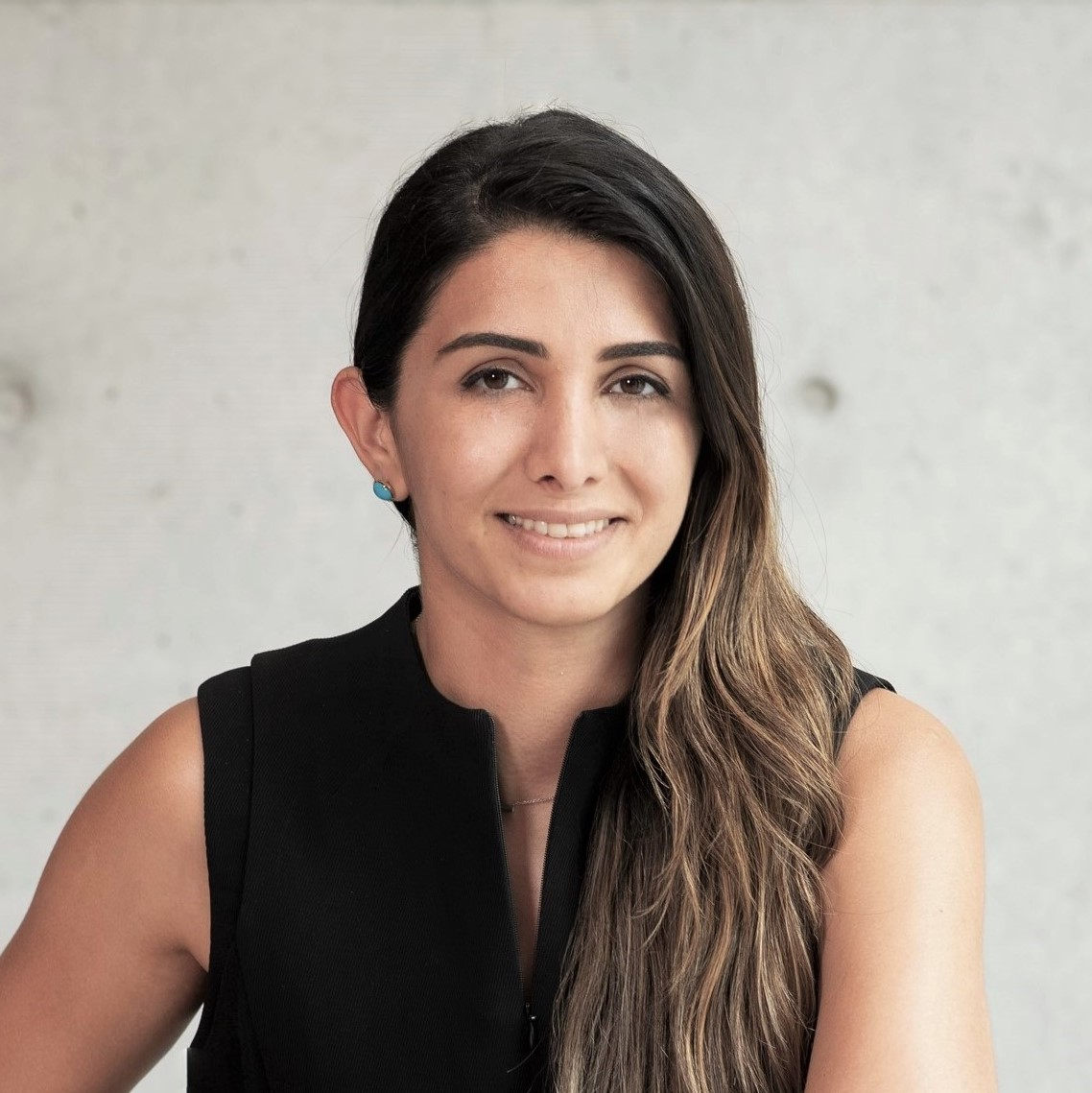
Dr Negin Nazarian
Dr. Negin Nazarian, Scientia Associate Professor at the University of New South Wales (UNSW Sydney), is a recognised leader in urban climate, advancing knowledge on city-climate interactions. She is Deputy Director (Science Partnership) at the ARC Centre of Excellence for the Weather of the 21st Century, chairs the Board on Urban Environment at the American Meteorological Society, and is a Lead Author of the IPCC Special Report on Climate Change and Cities in the 7th Assessment Report (AR7). Negin’s expertise as an urban climatologist focuses on understanding the complex interactions between the built environment and climate, with a keen interest in how these dynamics impact people. Her notable accolades include the prestigious 2023 Timothy Oke Award for Original Research in urban overheating, the 2024 NSW Young Tall Poppy award, and the 2025 AGU Global Environmental Change award, highlighting her pioneering contributions to the field. Negin leads the Climate-Resilient Cities (C…
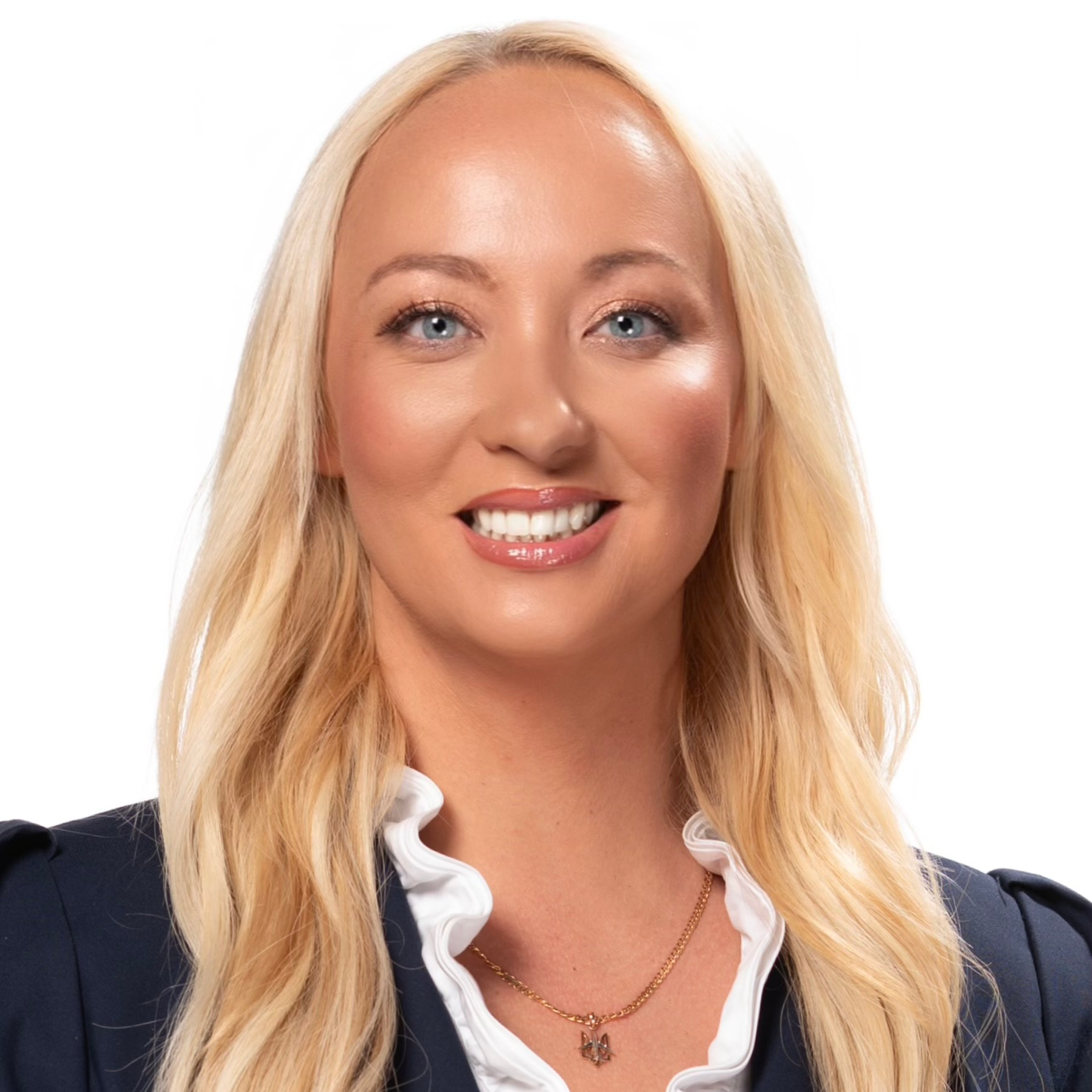
Dr Oleksandra Molloy
Dr Oleksandra Molloy is a Senior Lecturer in Human Factors and Aviation Safety and the Lead of the Human Factors Research Lab in the School of Science of the University of New South Wales (Canberra). Dr Molloy has also served as the Aviation Discipline Coordinator and an Academic Board Member at UNSW Canberra. Dr Molloy is a research trailblazer and an award-winning leader who conducts multi-disciplinary research in uncrewed/autonomous systems, human factors, safety and risk management (i.e., aviation and road). In the area of uncrewed systems, Dr Molloy has led the first evidence-based research on the use of drones in the war in Ukraine (supported by the Australian Army Research Centre, Department of Defence), continuously research and provide expert views on the role of UAS/C-UAS in the war in Ukraine. In addition, Dr Molloy is leading several Defence Trailblazer projects in collaboration with industry partners (CAE; Praetorian Aeronautics). In collaboration with the Defence Fli…

Dr Tahneal Hawke
Tahneal Hawke is a conservation biologist specialising in the ecology, health, and conservation of the platypus (Ornithorhynchus anatinus). She undertakes large-scale field and applied research programs across Australia, translating ecological science into practical conservation outcomes and policy impact.
Dr Tiffany Kosch
Dr Tiffany Kosch is a Research Fellow with One Health Research Group at the University of Melbourne where she is investigating the genetic architecture of resistance to the fungal disease chytridiomycosis in endangered frogs such as the Australian Southern Corroboree Frog. She applies approaches from genomics, quantitative genetics, synthetic biology, and animal breeding to develop methods to increase chytrid resistance in frogs and improve the success of reintroduction programs. Tiffany is also the Director of the Amphibian Genomics Consortium which aims to bring together people with an interest in amphibian genomics and functional research and increase the generation of amphibian genomics resources. Tiffany received her PhD in Interdisciplinary Biology in 2012 from East Carolina University in Greenville, North Carolina, USA where she studied the distribution of chytridiomycosis in Peruvian amphibians and optimised methods for detecting the disease. She has worked as a postdoct…
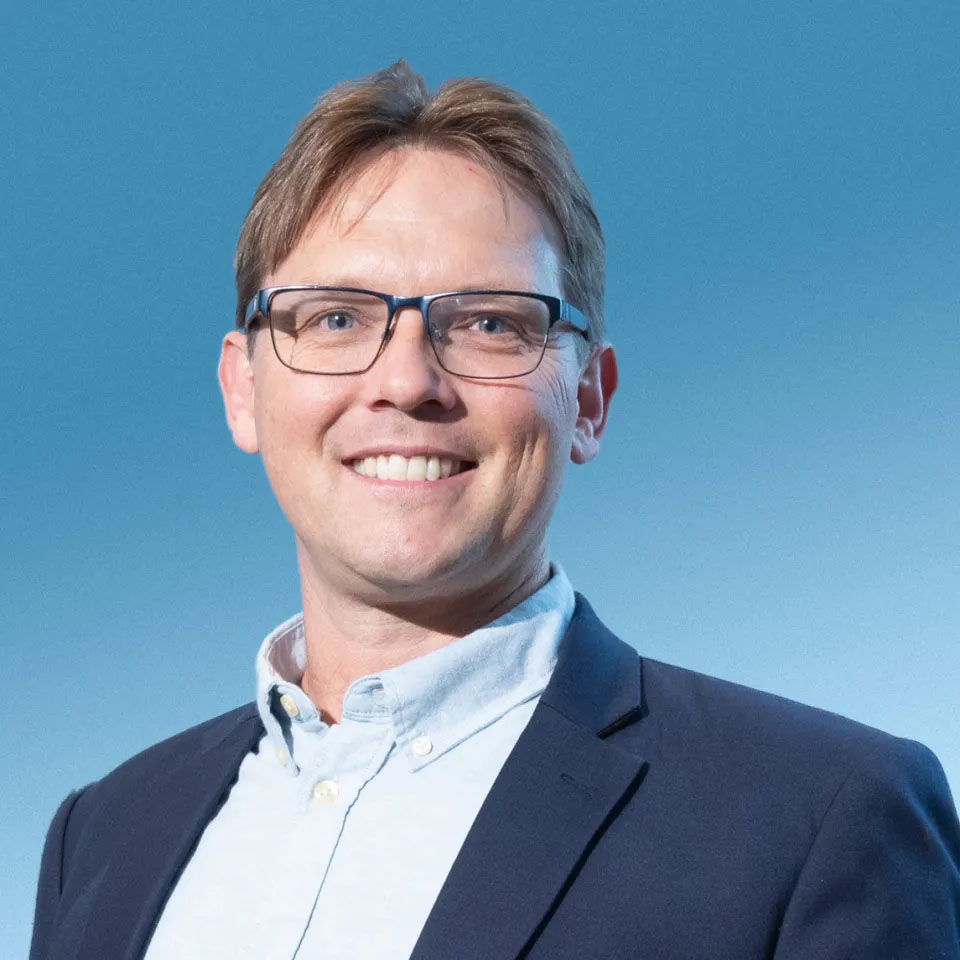
Dr Warren McKenzie
Managing Director of HB11 Energy, Warren McKenzie, PhD (Materials Science / Nanotechnology) is a science entrepreneur, materials scientist and Fellow of the Royal Society of New South Wales. He has held two post-doctorate research positions, at Trinity College in Dublin and at the University of NSW
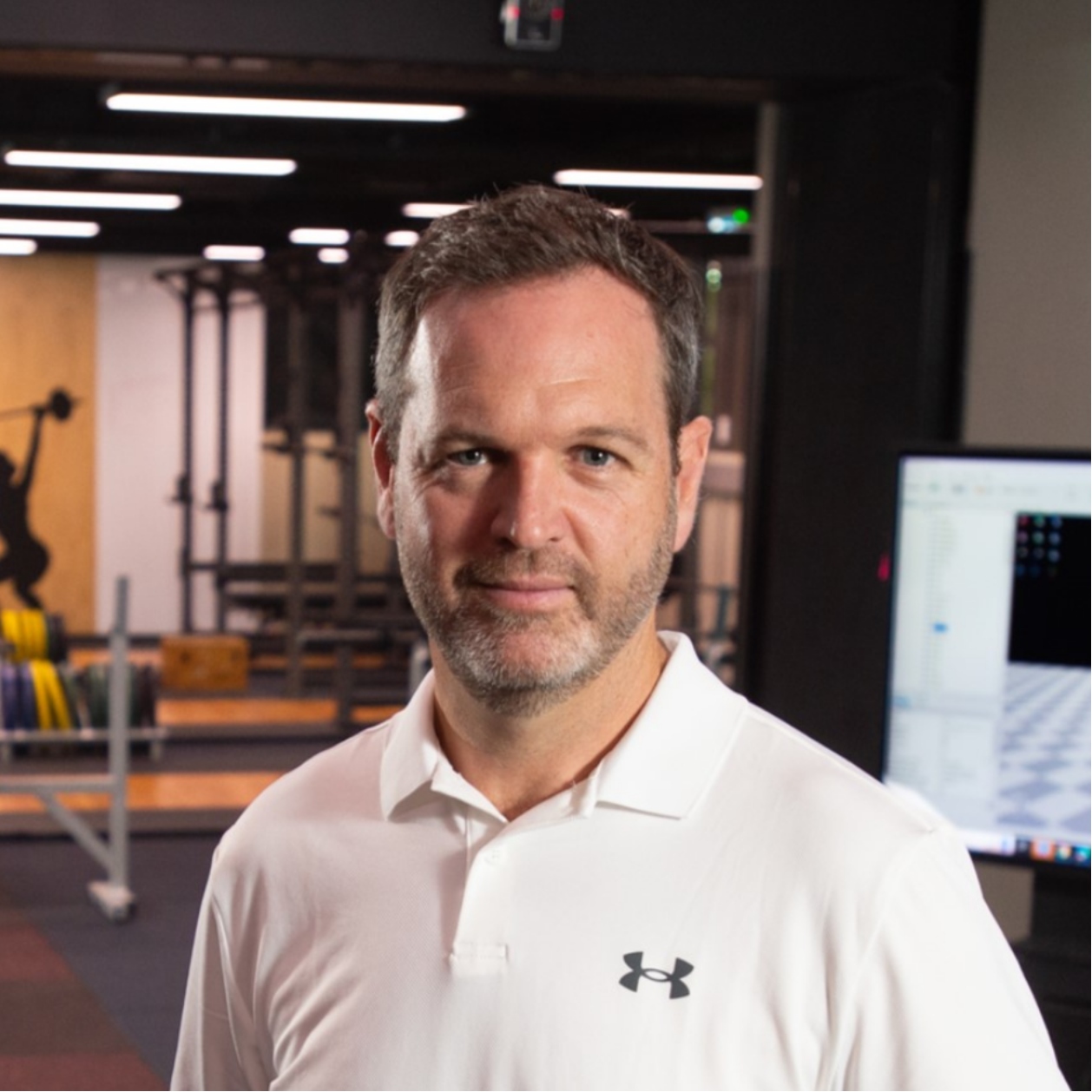
Glen Lichtwark
Glen Lichtwark is an internationally recognised leader in biomechanics whose work focuses on understanding how the human body produces movement and enables diverse performance. His research explores how muscles, tendons, and joints adapt to exercise, and how this knowledge can be applied to improve athletic performance, reduce injury risk or improve clinical rehabilitation. Current interests include how specific training influences muscle and tendon health, how footwear and foot–shoe interactions affect performance, and the use of advanced video based technologies to better understand joint loading and energy use during sport. Glen is currently Head of School, Exercise and Nutrition Sciences, where he oversees education programs in sport and exercise science, clinical exercise physiology, and nutrition and dietetics.
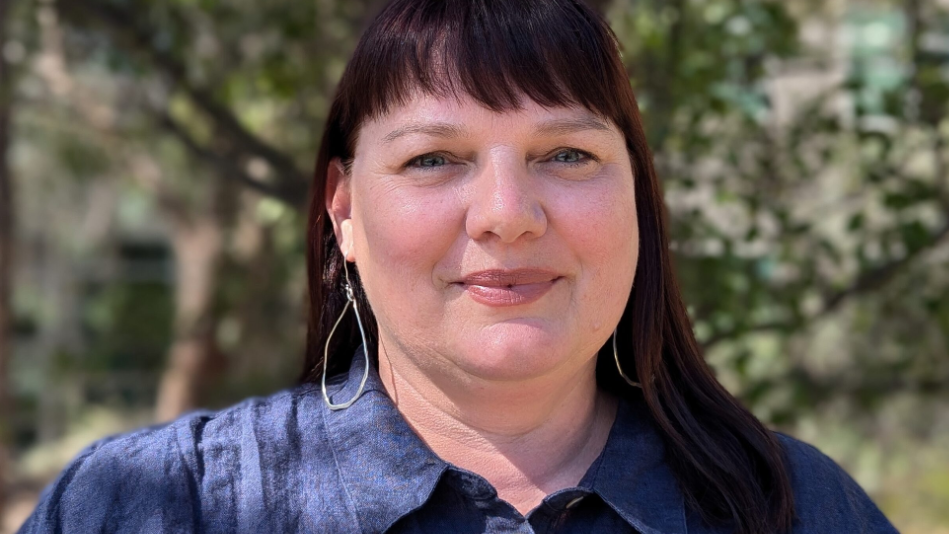
Heidi Kleinert
Heidi brings over 20 years of experience in the NRM industry, specialising in engagement and collaboration. She has extensive expertise in invasive species management, environmental water and project management, having worked across not-for-profit, private, local, and state government sectors. Heidi served as the Victorian Rabbit Action Network (VRAN) Executive Officer at Agriculture Victoria from 2016 to 2023, where she led a participatory engagement process to enhance community capacity for managing rabbits across Victoria. In 2024, Heidi worked as a consultant, focusing on communications, partnership and stakeholder management. In addition to her work with CISS, Heidi is a member of Rabbit Free Australia and actively participates in the Australian Rabbit Managers Network. Her passion lies in fostering meaningful connections between people and the environment to achieve sustainable outcomes. (From https://invasives.com.au/)
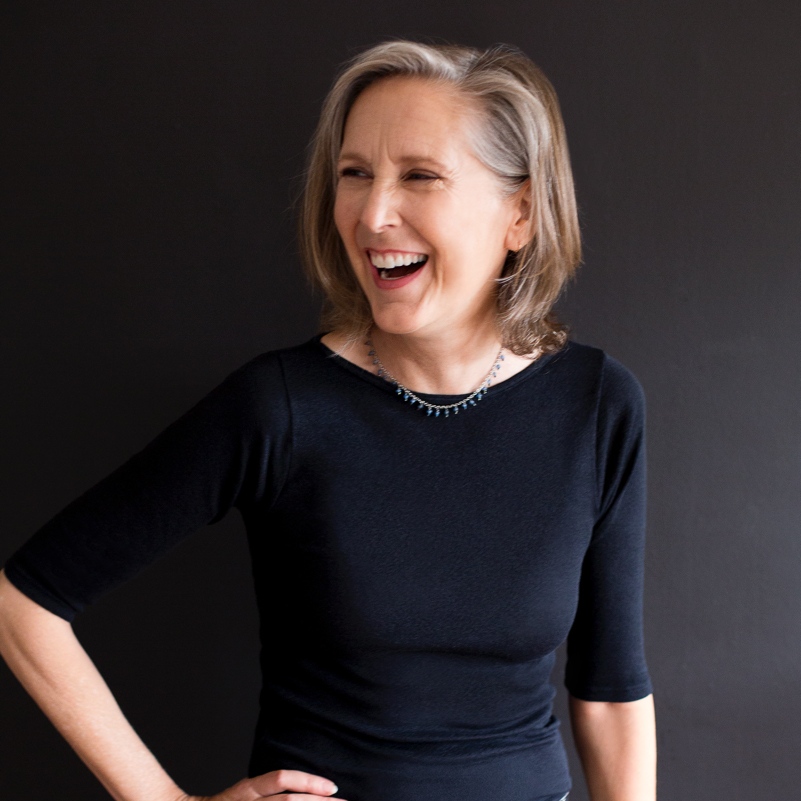
Mary Roach
Mary Roach began her career as a copy editor and public affairs writer. Along with numerous articles and guest editing positions, she is the author of eight New York Times bestsellers, including STIFF: The Curious Lives of Human Cadavers; GULP: Adventures on the Alimentary Canal, FUZZ: When Nature Breaks the Law and PACKING FOR MARS: The Curious Science of Life in the Void. Her new book, REPLACEABLE YOU: Adventures in Human Anatomy, will be available in Australia from February. In 2009, Mary gave a TED-talk based on research for one of her books, “Bonk”. While the topic is a little adult in its nature, it has racked up nearly 43 million views, making it one of the most played talks in TED’s history. https://www.ted.com/talks/mary_roach_10_things_you_didn_t_know_about_orgasm
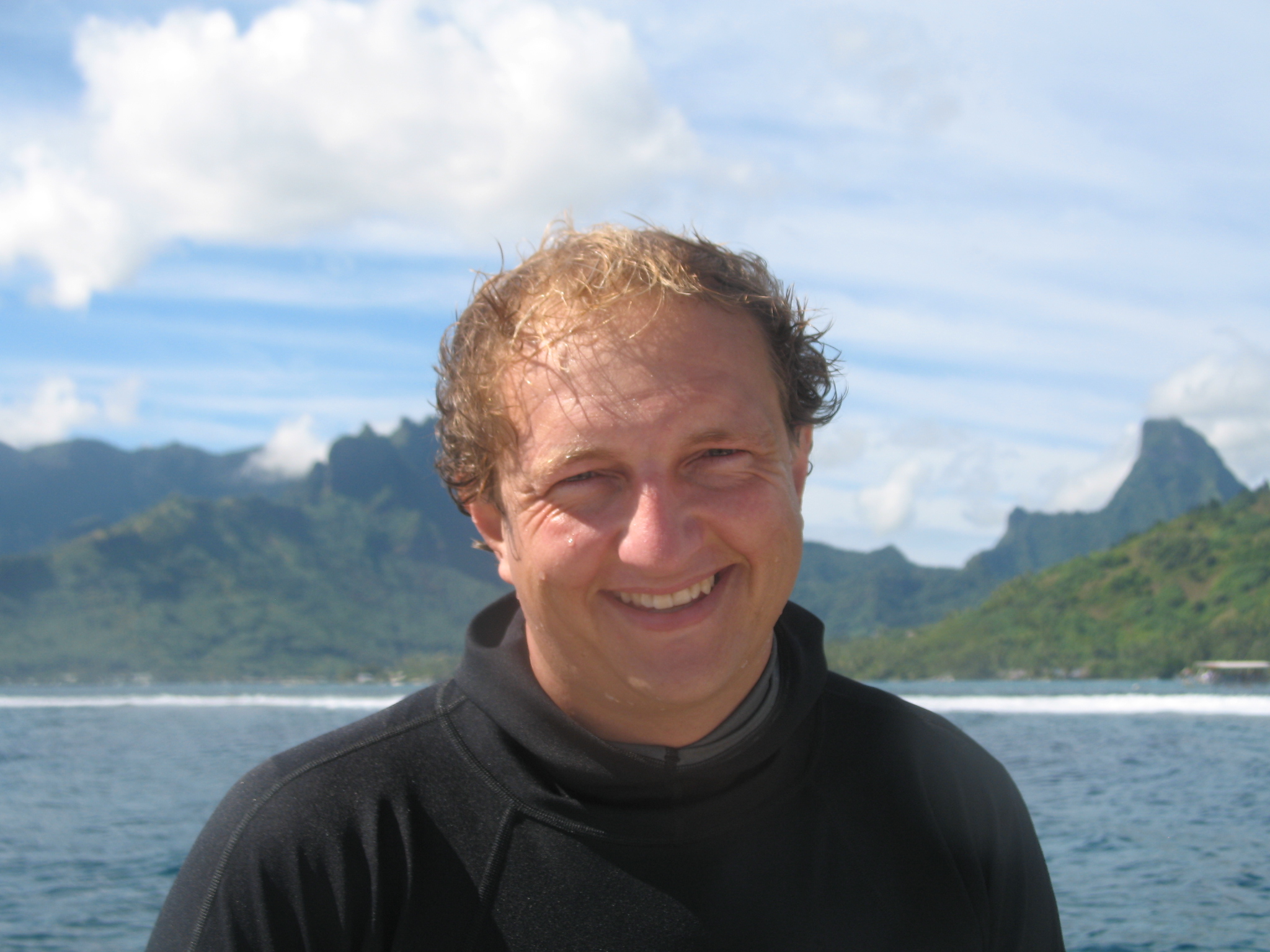
Morgan Stuart Pratchett
Prof Morgan Pratchett is a marine conservation ecologist with extensive knowledge of coral reef ecosystems. His current research focuses on major disturbances that contribute to widespread declines in the abundance of hard corals, and corresponding changes in the structure and function of coral reef ecosystems. This includes population irruptions (or outbreaks) of coral eating crown-of-thorns starfish. Morgan has been studying crown-of-thorns starfish for 30 years and made substantial contributions to understanding and managing the threat posed by periodic outbreaks.
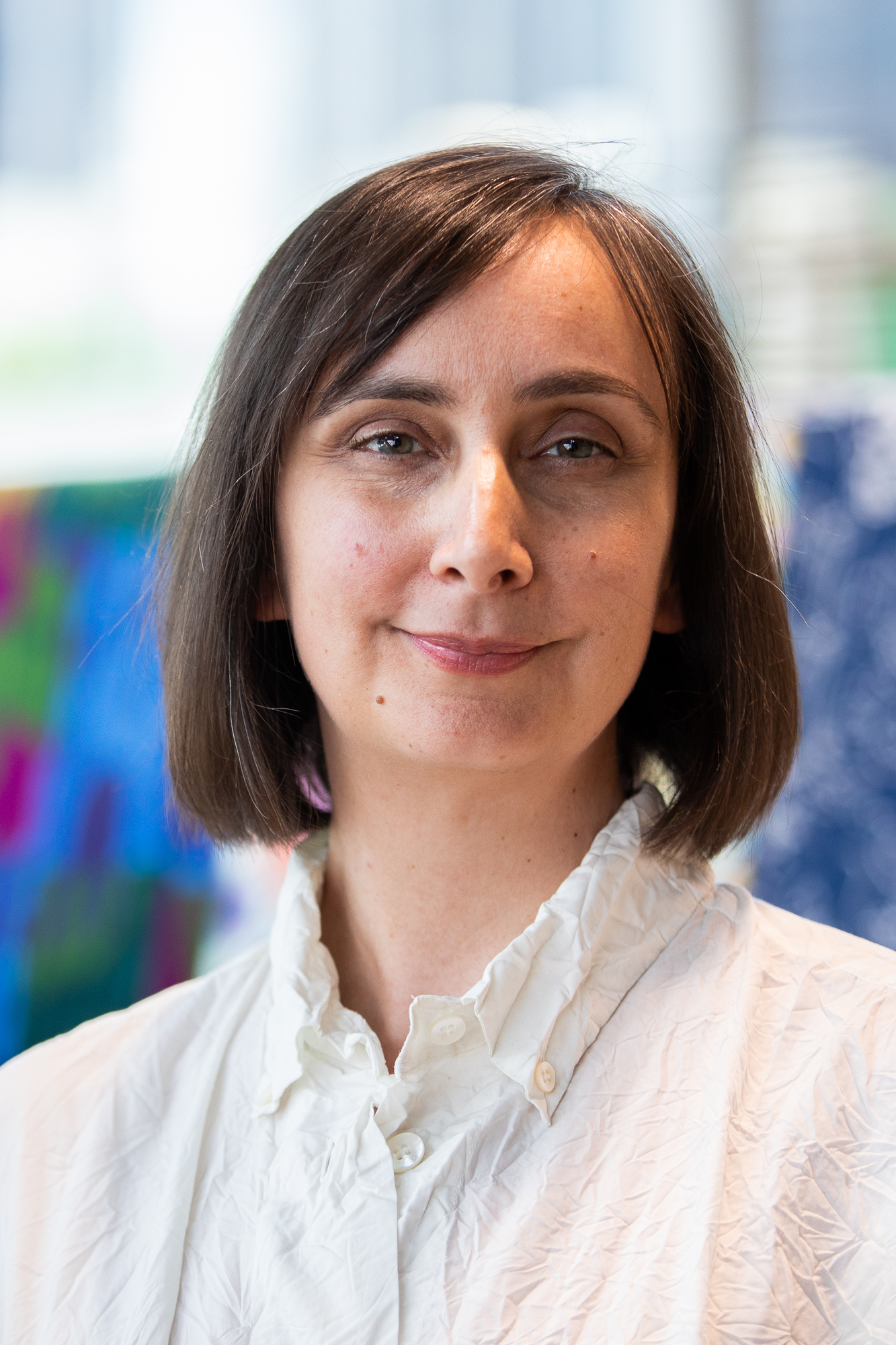
Professor Alice Payne
Dr Alice Payne is a Professor and Dean of the School of Fashion and Textiles at RMIT. Her research focuses on environmental and social sustainability issues throughout the life cycle of clothing. Recent work has examined labour issues in the cotton value chain, as well as technologies to address the problem of textile waste. She is author of the book Designing Fashion’s Future, co-editor of Global Perspectives on Sustainable Fashion, and is an award-winning designer and educator.
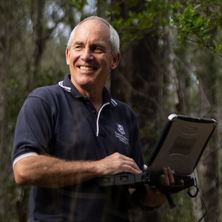
Professor Hamish McGowan
Professor Hamish McGowan is a Geographer and Professor of Atmospheric and Climate Sciences with research interests in: Severe weather (thunderstorms, bushfire meteorology), Earth surface – atmosphere energy and trace gas exchanges, Aeolian processes (meteorological controls on wind erosion, dust transport and the impacts on regional and global climate dynamics), Palaeoclimate reconstructions, Mountain meteorology and hydroclimate. He leads the Weather and Climate Science Research Alliance. Hamish received his PhD from the University of Canterbury in 1995. His research interests are in the fields of: Meteorological hazards Earth surface - atmosphere interactions and energetics The Weather and Climates of Alpine and Mountainous Regions Long Range Dust Transport and Climate Impacts Climate dynamics
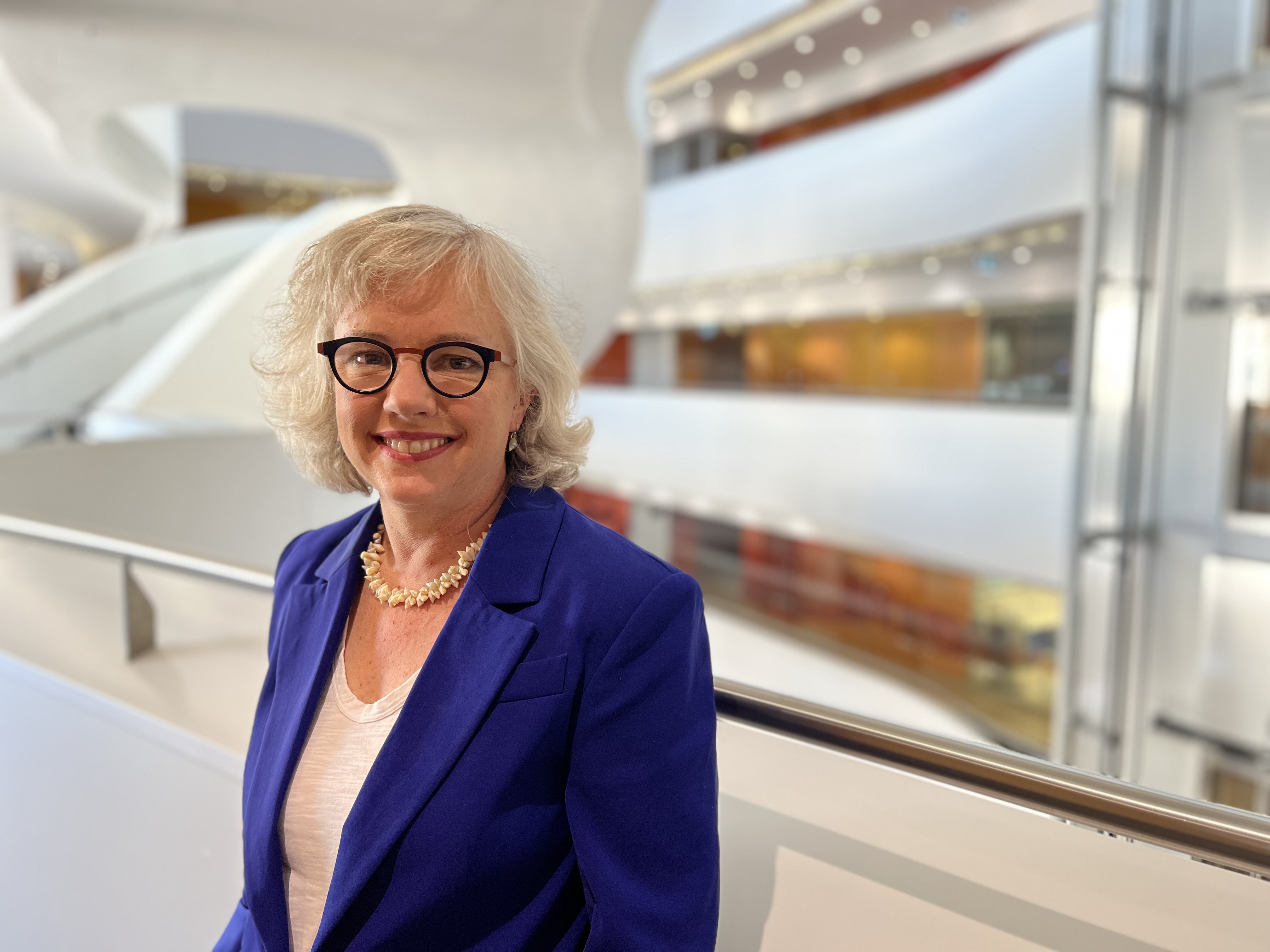
Professor Julie Leask
Julie Leask AO is a social scientist and professor in the Sydney School of Public Health, Faculty of Medicine and Health, University of Sydney, where she co-leads the Social and Behavioural Insights in Immunisation (SABII) research group. Her research focuses on social and behavioural aspects of vaccination and prevention of infectious diseases. She is a member of Sydney Infectious Diseases Institute (Sydney ID), affiliate of the School of Nursing and Midwifery and visiting professorial fellow at the National Centre for Immunisation Research and Surveillance. She currently holds an NHMRC Investigator Leadership Fellowship. Her research focuses on vaccine uptake, communication, strengthening vaccination programs and policy. She has qualifications in nursing and midwifery, a Master of Public Health (USYD, 1998) and PhD in public health (USYD, 2002). She was the overall and global category winner of the Australian Financial Review 100 Women of Influence Awards in 2019 and was made Off…
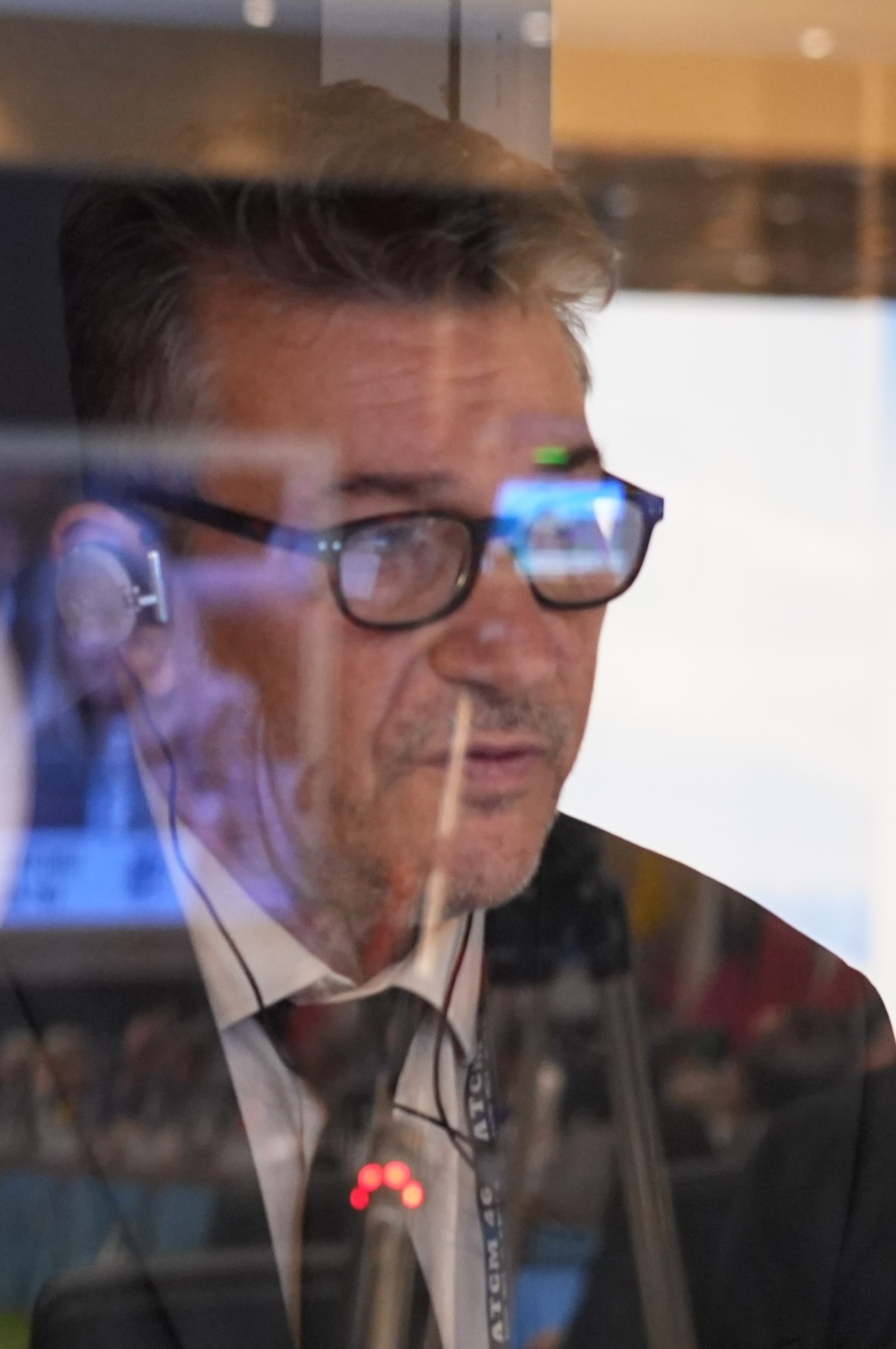
Professor Marc Orlando
Marc Orlando (PhD) is a Professor and Director of the Translation and Interpreting program at Macquarie University. His research interests are in the training of translators and interpreters and in the synergies between practice, research and training, as well as in the impact of new digital technologies and AI on the T&I professions. He is also a practicing conference interpreter and is well connected with the T&I industry worldwide, with professional associations, with government departments and multilingual international organisations, with employers and users of T&I services. Such industry engagement provides him with a broad awareness of market needs and trends.
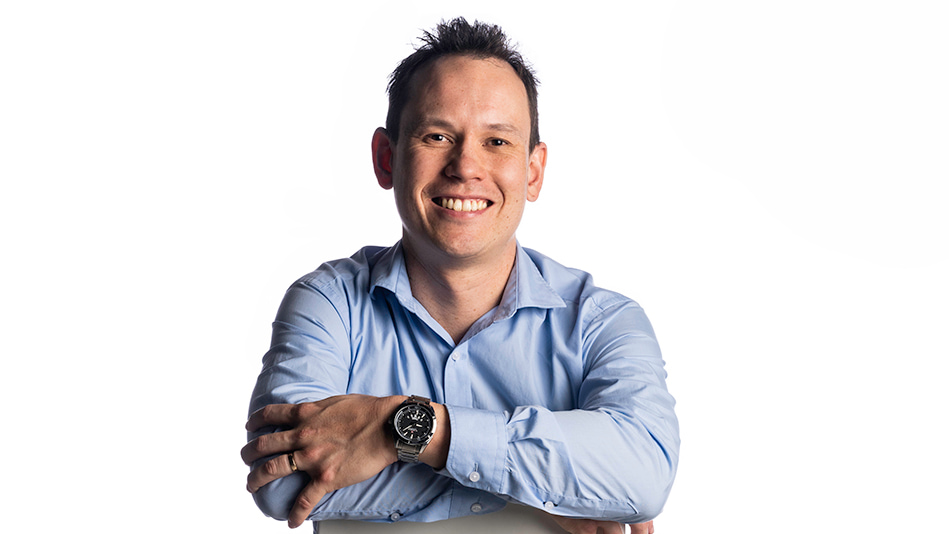
Professor Michael Milford
I conduct interdisciplinary research at the boundary between robotics, neuroscience and computer vision and am a multi-award winning educational entrepreneur. My research models the neural mechanisms in the brain underlying tasks like navigation and perception to develop new technologies in challenging application domains such as all-weather, anytime positioning for autonomous vehicles. I am also passionate about engaging and educating all sectors of society around new opportunities and impacts from technology including robotics, autonomous vehicles and artificial intelligence. I currently hold the positions of Australian Research Council Laureate Fellow, Joint Director of the QUT Centre for Robotics, QUT Professor, Microsoft Research Faculty Fellow and am a former Chief Investigator at the Australian Centre for Robotic Vision. I have or am leading or co-leading projects totalling more than 48 million dollars in research and industry funding for fellowships and team grants. My pape…
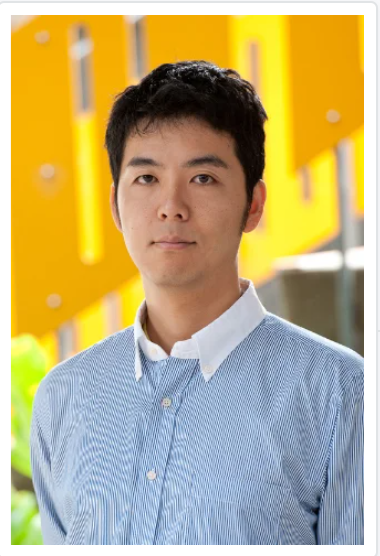
Professor Nao Tsuchiya
Monash University: 2020-01-01 to present | Turner Institute for Brain and Mental Health. Professor (School of Psychological Sciences) Advanced Telecommunications Research Institute International: Kyoto, Japan 2023-07-01 to present | Department head (Qualia Structure) Why and how does our subjective conscious experience emerge from physical electrochemical activity in the brain? Why is neuronal activity in the cortex, but not in the cerebellum, responsible for consciousness? Do any other animals experience subjectivity? If so, how can we know? Will there be conscious machines or robots? How can we test it? These are fascinating fundamental questions, which used to be questions for philosophers, but now they are for neuroscientists. In particular, our current projects focus on: 1. Behavioural effects and neuronal correlates of conscious and non-conscious processing. 2. Clarifying the differences and relationship of the neuronal mechanisms of consciousness and attention. 3. Ana…
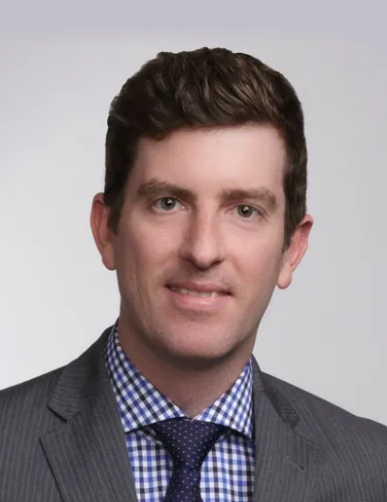
Professor Neil Simon
Professor Neil Simon (PhD, FRACP) graduated Medicine with Honours from the University of New South Wales. He completed neurology training in Sydney, followed by a Clinical Neurophysiology Fellowship at the Institute of Neurological Sciences, Prince of Wales Hospital. Neil gained further advanced expertise in the United States, where he undertook a Clinical Neurophysiology and Neuromuscular Medicine Fellowship at the University of California, San Francisco (UCSF). His PhD studies explored novel approaches to measure nerve injury in motor neuron disease and peripheral nerve trauma. Neil has a clinical and research focus on disorders of nerve and muscle, including nerve injury and entrapment, spinal medicine, neuropathy, myopathy and neurodegenerative disease. He is an editor of Muscle & Nerve, the official journal of the American Association of Neuromuscular and Electrodiagnostic Medicine. However, in day to day practice Neil considers himself as a general neurologist caring for pat…
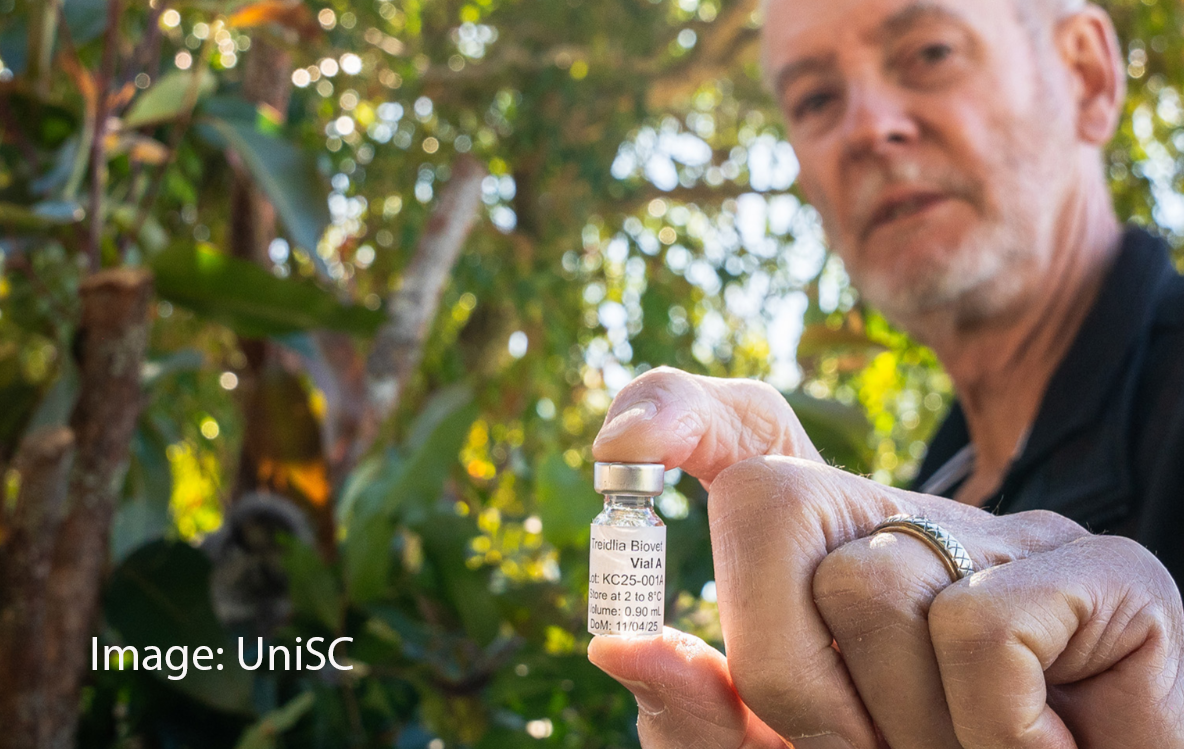
Professor Peter Timms
Professor Timms is a nationally and internationally renowned microbiologist with specific expertise in the area of Chlamydia. His laboratory is acknowledged as the leading Australian laboratory and one of the leading groups internationally working on all aspects of chlamydial infections. Research interests - His research group of 12 staff and post-graduate students is developing vaccines and new diagnostics for chlamydial diseases in humans and animals as well as an improved understanding of chlamydial genomics, cell biology and pathogenicity. He is also involved in research on the koala retrovirus, including the development of a vaccine. The group is widely acknowledged for its major contributions to chlamydial infections in koalas and other wildlife, including the development of a vaccine for koalas. Publications - He has published over 240 papers, reviews and book chapters in peer-reviewed international scientific journals such as, Nature Genetics (2018; Front Cover), Nature …
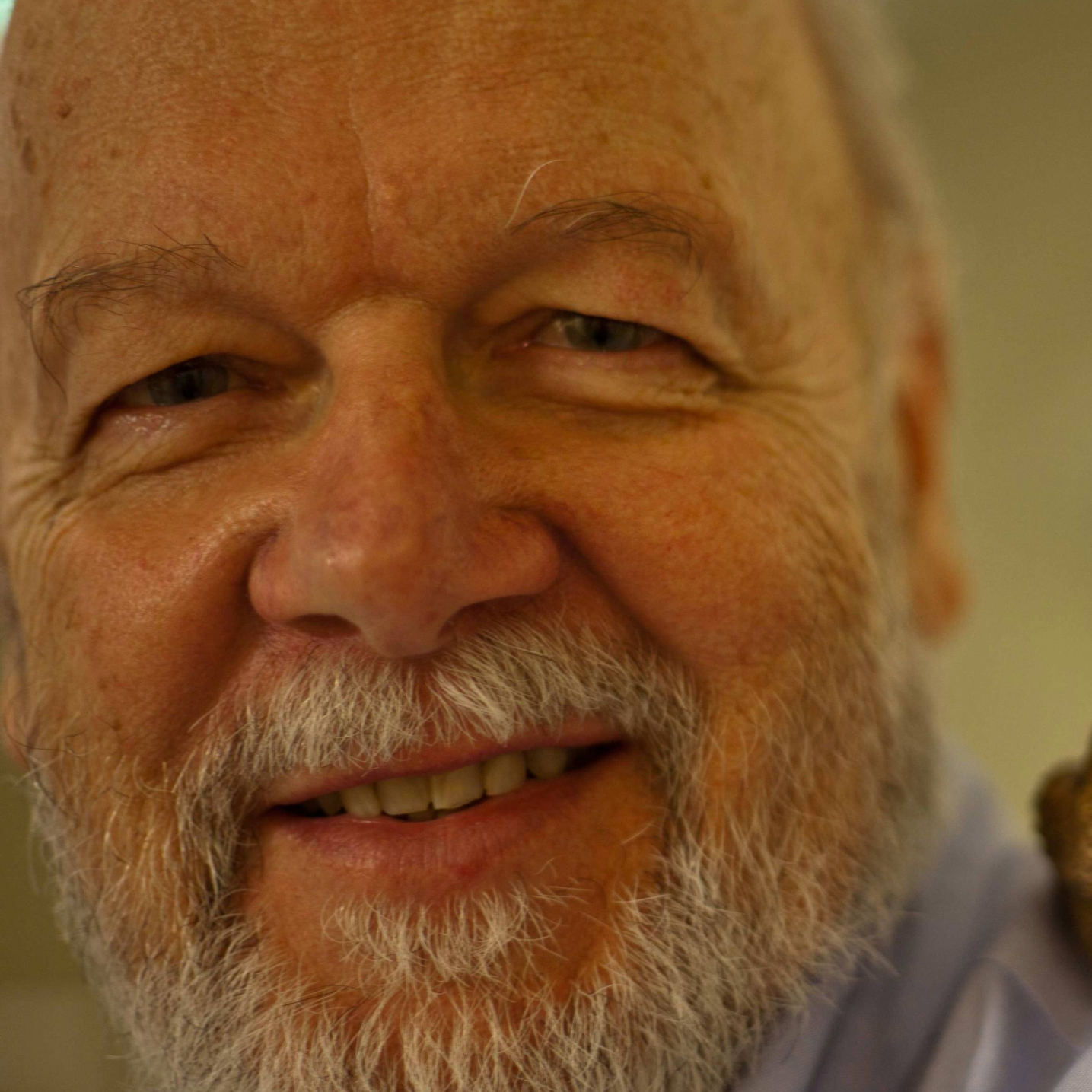
Professor Rick Shine
Rick Shine is a Professor of Biology at Macquarie University, in Sydney. He was employed for most of his career at the University of Sydney, and was able to devote his time to research (with a lot less undergrad teaching and administration) through Fellowships from the Australian Research Council. The first of those was a Federation Fellowship. Rick was then awarded a Laureate Fellowship, again from the ARC, to run until 2018. After that finished, he left Sydney University and transferred to nearby Macquarie University. With the backing from those ARC Fellowships, Rick created TEAM BUFO in 2005, and he still heads the group. Rick has been passionate about wildlife, especially reptiles and amphibians, since he was a small child in Brisbane. He turned that passion into a career, doing an undergraduate degree in science at the Australian National University (in Canberra), then a Ph.D at the University of New England (in Armidale). Then, after a few years’ postdoctoral work in the U…
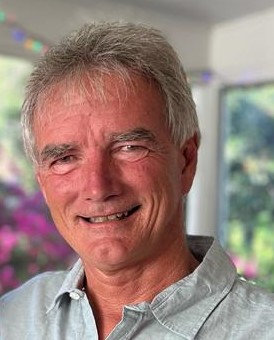
Richard Hugh Dunstan
Hugh Dunstan has been a scientific researcher for 40 years. He obtained his PhD from the University of Oxford, then held postdoctoral fellowships at the University of Oxford and the University of Melbourne before taking up a lectureship at the University of Newcastle (Australia). He retired in 2020 as a Professor of metabolic biochemistry, with a research focus on the nature of exercise-induced fatigue and the metabolic processes that underpin it. In 2014, Hugh and his colleagues, Professor Tim Roberts and Dr Margaret MacDonald, made a breakthrough in understanding the significance of the losses of amino acids in sweat and urine, relative to their corresponding blood levels. This breakthrough provided new insights into the supply and demand for key nutrients in humans and has opened up a completely new understanding of protein turnover and amino acid metabolism. Over the next six years, Hugh and his team continued to investigate amino acid losses in sweat and urine from humans a…
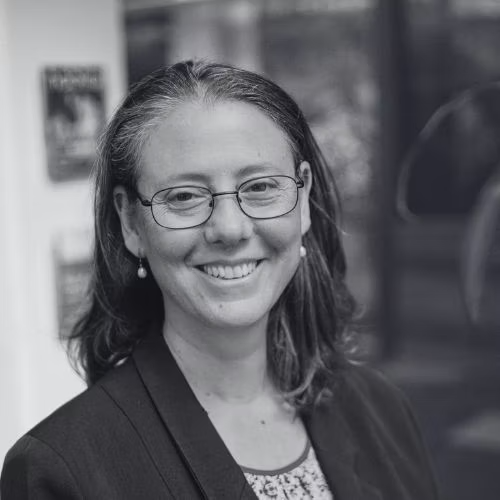
Saffron Zomer
Saffron Zomer is a lawyer, campaigner and political strategist with more than a decade of experience leading law reform campaigns. Prior to the Australian Democracy Network, Saffron was Government Relations Manager at the Australian Conservation Foundation. In 2017, Ms Zomer co-founded and led the Hands Off Our Charities Alliance which secured critical changes to 2017 Electoral Act amendments to protect the rights of civil society organisations to engage in advocacy.
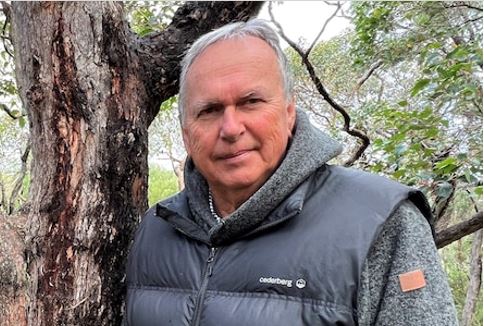
Stephen D. Hopper AC
Currently Professor of Biodiversity at The University of Western Australia, Stephen D. Hopper AC has worked over 50 years as a conservation biologist and academic. He also led as Director Perth’s Kings Park and Botanic Garden (1992-2004), and London’s Royal Botanic Gardens, Kew (2006-2012). Today, Steve’s research focuses on sustainable living with biodiversity. He collaborates especially with Aboriginal Elders. He is author/coauthor of more than 300 scientific papers and several books, including Eucalyptus, Soul of the Desert, Life on the Rocks and Kangaroo paws and Catspaws.