Where Are We At With Rabbits?
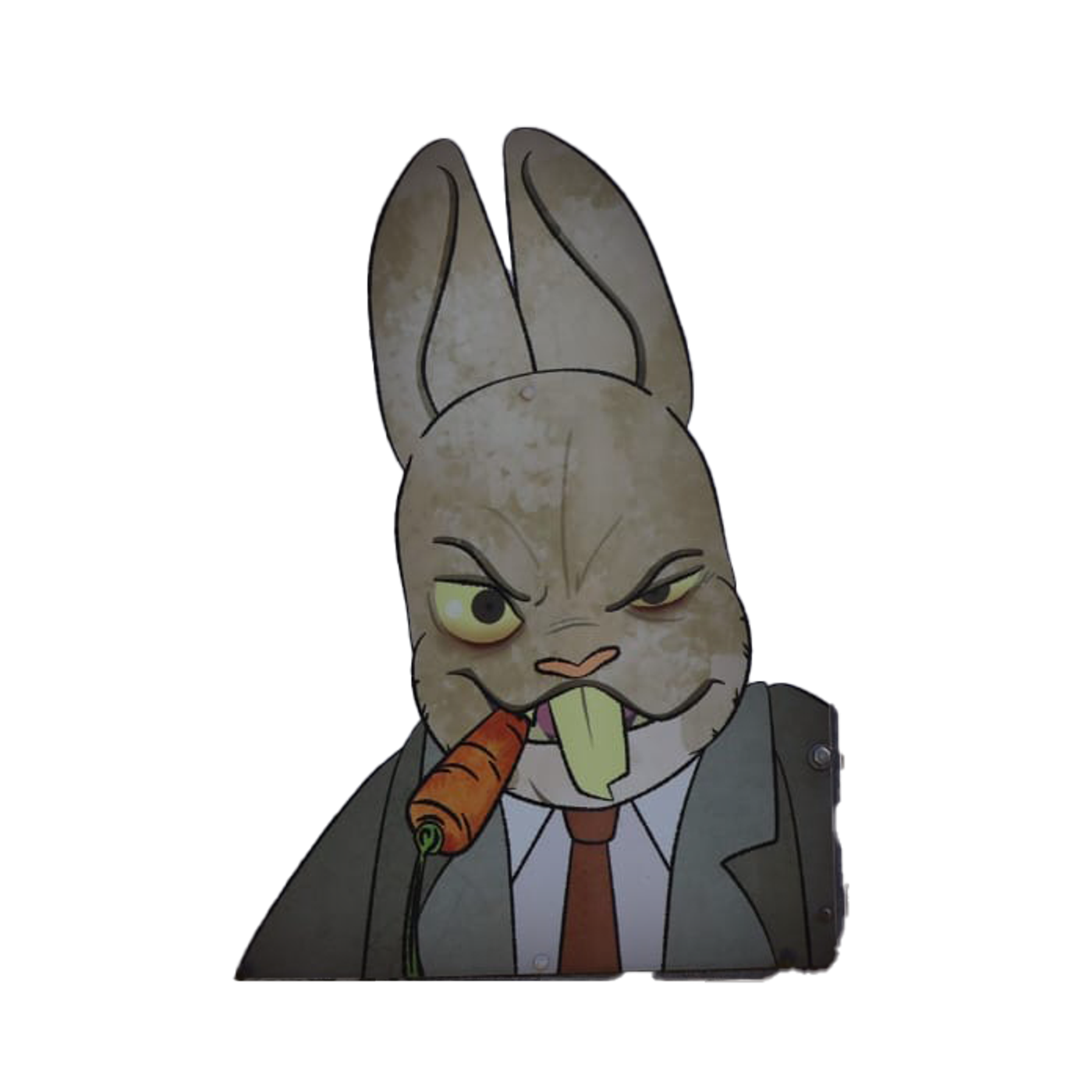
Rabbit populations are once again reaching plague proportions in parts of Australia, despite the release of two incredibly successful diseases over the past century. Myxomatosis and then Calicivirus killed up to 99% of Australia's rabbits when they were introduced, but the rabbits have developed resistance, and we haven't yet found a new disease. Heidi Kleinert is our guest, she's the National Rabbit Management Coordinator at the Centre for Invasive Species Solutions.
*EDIT*
During the interview, Ms Kleinert says rabbits underground can overcome droughts and floods. She meant to say droughts and fires. Floods tend to be a little harder to hide under.
She also twice refers to K5 as an antidote to either 1080 or future poisons. K5 is actually a rabbit poison itself, she intended to say vitamin K is an antigen used for dogs.



Centre of Invasive Species Solutions
The Centre for Invasive Solutions this year published a glovebox guide to managing rabbits for landholders.
You can read or download the glovebox guide to Rabbit Management here
ABC Landline story about genetic alterations for Rabbits
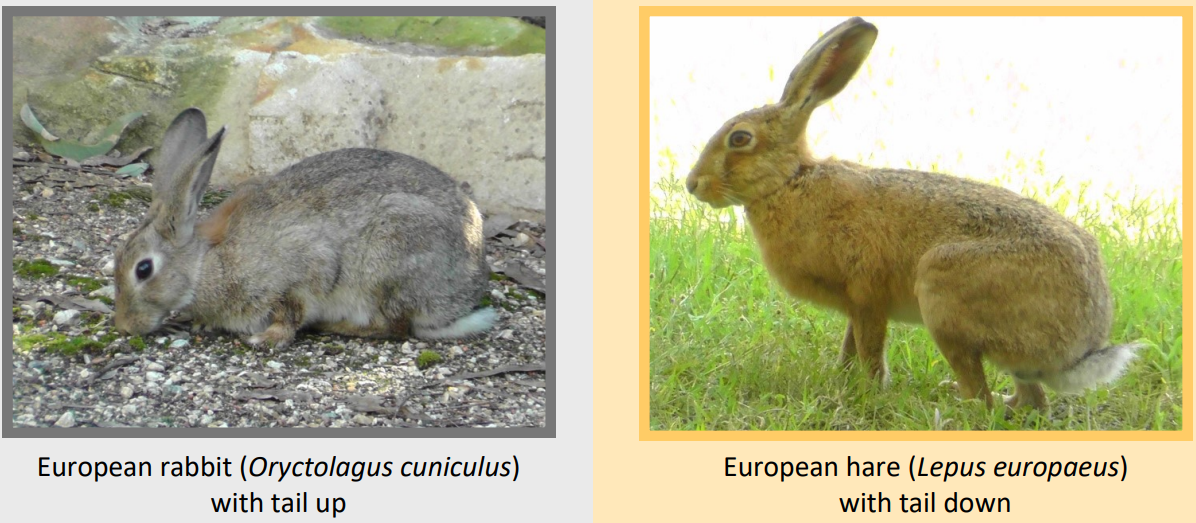
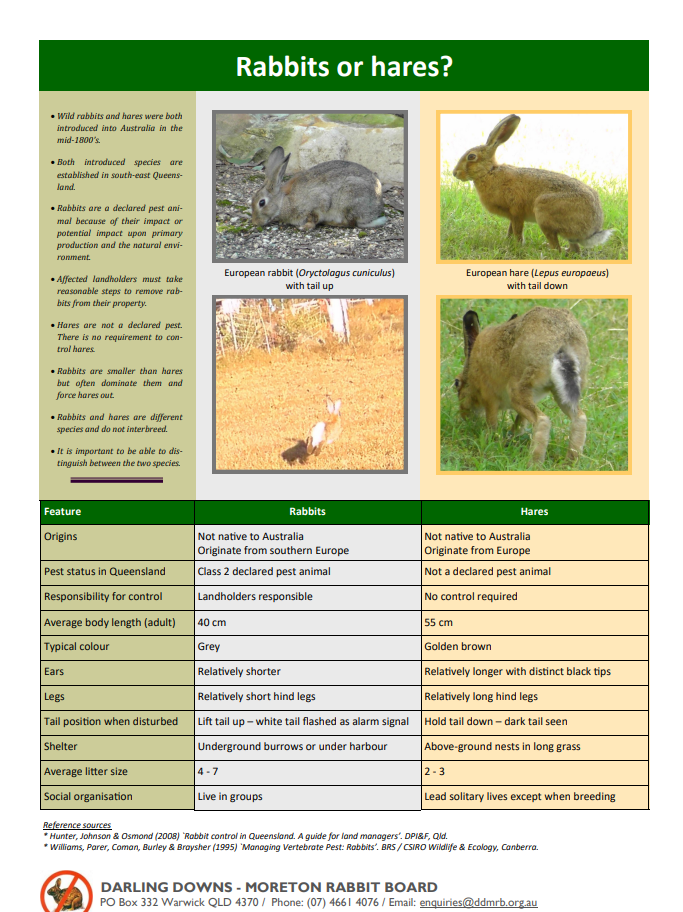
The Darling Downs - Moreton Rabbit board published a handy guide to telling the difference between rabbits and hares. Although many people can't tell them apart, rabbits are a declared pest species and hares are not. They are different species, and cannot interbreed. Hares don't dig burrows, nor do they eat as much of a plant as rabbits. In addition, hares generally have litters of 4 or fewer leverets and only between 2-4 times a year. Rabbits can produce litters of up to 12 kits every 30 days!
Oh, and fun fact? Rabbits have delicately-flavoured white meat, while hares have gamey-tasting red meat. Same, same, but different.

(Transcript is generated automatically by Riverside Studio software. While it has been checked by our podcast staff, it is not guaranteed to be completely accurate.)
David (00:09)
Hello, welcome to “Where Are We At With…?”, the podcast bringing you up to date with the very latest on just about everything, one topic at a time. I'm David Curnow.
Around the world there is a creature that has inspired artists, illustrators, and writers. A creature that is incredibly cute, fluffy, and just downright adorable. From Beatrix Potter's Peter Rabbit to the Dutch character, Miffy, and even the iconic, laconic character in more films than any other cartoon.
Clips from “Looney Tunes” and “The Wild Hare”
“Ehhhhh, what’s up, doc?” “You know, wabbit, big long floppy ears. Like these? Yes! And soft white fluffy tail. Like this? Yeah!”
But in Australia, bunnies have been bugging us for more than 150 years, becoming this country's most damaging invasive species, worse than cane toads, foxes, cats, or New Zealanders, leading to incredible scenes in the 1940s and 50s.
Clip 1949 Cinetone newsreel
“Public enemy number one, a foe whose battalions are thousands of millions strong despite unceasing slaughter.”
We had helped defeat the Nazis, but were being routed by rabbits. Then the release of the world's first ever biocontrol method against vertebrates, the myxomatosis disease. Since then, the swings and roundabouts of biocontrol have seen populations dwindle and then boom several times. For many Australians, rabbits are yesterday's problem. You can even joke about the fight to hold them back.
Telstra advertisement
“Dad, why did they build the Great Wall of China?” “To stop the rabbits, there were too many rabbits in China”
David (01:57)
Right now there's another bunny boom. 322 native species threatened by rabbits, 200 million dollars in damage to agriculture alone and there's no magic cure in sight. That means you may well have recently seen, heard, or read about our guest today from the Centre of Invasive Species Solutions, the National Rabbit Management Coordinator, Heidi Kleinert to help us understand “Where Are We At With Rabbits?”
David (02:31)
Heidi Kleinert, thank you so much for joining me today.
Heidi Kleinert (02:34)
Thanks for having me David.
David (02:36)
New York a couple of years ago appointed somebody that became dubbed the Rat Tsar. Are you Australia's “Rabbit Tsar”?
Heidi Kleinert (02:44)
Apparently, I think that was an article featured in the Financial Times or Fin Review somewhere. It's a big title with big shoes to feel if I am.
David (02:54)
Yeah, particularly if they're the hind shoes of the rabbit. Anyway, have you ever had a pet rabbit, by the way?
Heidi Kleinert (02:56)
No, I've never had a pet rabbit.
David (03:02)
A lot of people I speak to say, I'd love one, but they don't think too much about the consequences.
Heidi Kleinert (03:07)
Yeah, guess there's a, there's that attraction of a cute cuddly animal, the Easter Bunny and all the woodland creatures that we've seen from Scandinavia come into all our furnishings, you know, the deer, the bunny, it's everywhere.
David (03:22)
Peter Rabbit and his friends. Okay, let's get on to the ones that are less cute. And even if they are, they're still causing a problem. At the moment, where does the rabbit sit on a table of devastating creatures in Australia?
Heidi Kleinert (03:36)
Yeah, I would say number one. So they're one of our most damaging pest species, vertebrate pest species I should disclose, in Australia. They occupy two thirds of Australia. They are well and truly established and they impact us all everywhere, every day.
David (03:55)
Wow, even if we're not thinking about it. When we're talking numbers, let's talk peak. At the biggest point of the rabbit plagues, and many of us have seen the pictures, if they haven't, then you should be watching our YouTube channel. How many rabbits do we think were in Australia at the very peak?
Heidi Kleinert (04:10)
Yeah, in the 1920s, it's estimated that there was 10 billion rabbits in Australia. And that's just hard to fathom. I just can't imagine that many rabbits in Australia. But that's what we're that's what our history books tell us. And I believe that would be more than the population of the world at the time.
David (04:16)
Billion with a B. So quite literally more rabbits in Australia than in the rest of the world at that time.
Heidi Kleinert (04:35)
Yeah, yeah.
David (04:36)
Were they all the same species?
Heidi Kleinert (04:39)
From my understanding, we do have just the one species, but then ⁓ I've had reports that in Tasmania there might be other variations. So I'm not quite sure. So there possibly could have been other species that have been introduced and not survived as well as the species that we've got now. Yeah.
David (04:56)
How is it that a creature that seemed to be well contained in the rest of the world just went crazy in Australia?
Heidi Kleinert (05:03)
Yeah, so our records show that with good intent Thomas Austin introduced 24 wild rabbits in 1859 to Barwon Park near Winchelsea and the intent was to take a shooting party out to have a really great time of hunting and Thomas was a part of a society that wanted to make Australia like England and he often worked to introduce species that were found in England and Europe and introduce them to Australia. So Australia was more like England than, I guess, celebrating our unique creatures. So from there, what we saw in 15 years, they were established in New South Wales. And then by 1900s, it had reached the Western Australia border. So they were that quick in colonizing. And I think even on the Barwon Park property, in eight years from the 24 rabbits, I think they'd shot like 14,000 rabbits.
David (06:01)
The numbers are just incredible when you look at them like that. Look, obviously there's a reason we say bred like rabbits. That's part of the reason. But again, what was it about Australia that allowed them to be so rapid in their spread and so hard to control, given the fact that they were in relatively good control everywhere else?
Heidi Kleinert (06:19)
Yeah, so they're originally from Spain. So the climate that we have in Australia is very similar. They can survive hot, cold conditions because they live underground. They can survive drought and flood because they're underground and they can survive on very low water supply. They have that amazing breeding capabilities. So they can breed pretty much every 28 to 32 days. So almost every month we get a new generation and once that doe falls pregnant, she can conceive and fall pregnant again that same day. So pretty much if we have really good conditions, and when I talk about that, your face is lighting up when I say she can fall pregnant the same day. Yeah. Every mum out there and woman. Yeah. She's busy. She's a busy mum. Yeah. So they, um,
David (07:04)
Does she even get time to eat?! Get a hobby!
Heidi Kleinert (07:13)
So in good conditions, and what that means is that they've got good shelter, there's no predators, and they've got a protein-rich diet available. So if it's raining, say a few weeks later, there'll be green pick available, and then that will spare on rabbit breeding because there's protein available and they can have an adequate diet to reproduce.
David (07:37)
Do we think there was any role in the fact that Europeans had come to this country and were broad-scale clearing, they were trying to introduce, as you said, conditions similar to their home countries and that included chopping down trees for their heavy-hoofed cows, their sheep, their horses, things like that, providing effectively rabbit smorgasbords?
Heidi Kleinert (07:55)
Yeah, that's actually a good point because rabbits are really attracted to soil disturbance, which is really interesting. So when the dirt is disturbed, the rabbits, I guess that's almost a trigger for them to dig and start burrowing and having, I guess, forming new territory.
David (08:11)
Hmm. Okay. So perhaps the humans were to blame as well. Now in Australia, they've even turned it into an industry when it comes to rabbit fur, rabbit meat, things like that. Obviously the iconic Akubra uses rabbit felt and that was sustaining whole towns at a time. Even that wasn't enough. When did people start to feel that it was actually a bit of a problem? Do we know?
Heidi Kleinert (08:33)
I think there's been a problem. I would say once it started crossing state borders that it became a problem. And there's lots of reports that there were state commissions, there were rabbit boards, there were huge parliamentary inquiries as to why rabbits were becoming a problem. We installed fences, so the rabbit-proof fence, you know, to try and keep them out of Western Australia. There's still fencing to this day in Queensland, which is maintained by the Darling Downs Moreton Rabbit Board, which has a huge history in Australia about rabbit protection. yeah, think we knew pretty soon that rabbits were a problem for us, especially for farmers. There are plenty of stories of people walking off their land because their farm was so invested with rabbits.
David (09:19)
Let's talk then about the first bio method because my understanding is that the bio method introduced in Australia was in fact the first biocontrol ever introduced in the world for vertebrates. What was the process and what do we know about this myxoma virus?
Heidi Kleinert (09:33)
Yeah, the the myxoma virus was such a game changer, you know, when we had those high populations that I was talking about in the 1920s and 1940s and you do see those images if you go and have a look at the National Museum or libraries, you'll see images of people with barren landscapes and clubbing rabbits because they were just trying to do their part in managing rabbits. But the release of the Myxo was a game changer where we saw a reduction of rabbits to 90, 98, 95 to 98 percent of the, the Australia's population of rabbits being reduced. So to me, that's just amazing. And I think once we did that, then we moved on to something else. We just thought the job was done. And unfortunately, it's not how many you kill, it's how many you leave behind. And then we saw that bounce back rate jump up again.
David (10:24)
I mean, it's easy to understand why. If you kill 98 % of what has been a problem, there's a lot of dusting of the hands saying, “Job done, good on you fellas, let's go for smoko”.
Heidi Kleinert (10:33)
Yeah, yeah, exactly right. And unfortunately, I don't think we've learned from that. So we seem to see this history repeating itself when we also release Calici virus as well.
David (10:44)
We'll get onto Calici in a moment. Very quickly, myxoma of myxomatosis as people often know it. Was it a peaceful, quiet, gentle death?
Heidi Kleinert (10:54)
I think when I've read some, there's some really great stories there, fantastic oral stories. A lot of farmers would say it was a painful death, but it had to be done. So they, think they made peace with that. didn't, know, no one likes to an animal die. And the amount of death they would have saw in the landscape would have been immense. So I think it wasn't nice, but it had to be done.
David (11:23)
It's interesting when we talk about myxoma because around the same time there was another biocontrol sourced method being developed from Australian native plants. This sodium fluoroacetate, which I did practice saying, I'll admit I'm not a science major, which coincidentally was the 1,080th chemical in the journal, I understand. 1080. Why were we developing something like that when something like myxomatosis was so fantastically successful?
Heidi Kleinert (11:37)
Yeah, I guess with viruses, we know that over time, generations do become genetically resistant to viruses. So to have another toolkit in rabbit management was ideal. I think the research for this, you know, overseas, a lot of different countries were using baiting techniques as well. I think with, especially in America with, my gosh, Caddyshack…. I can't think of the species, you know.
David (12:22)
Now you've got me on the spot. A gopher?
Heidi Kleinert (12:26)
Yeah, the gophers!
Clip from “Caddyshack” 1980
“Licensed to kill gophers, by the government of the United Nations. Man, free to kill gophers at will.”
Heidi Kleinert (12:36)
And I think, you know, lot of the technology that we see from other, you know, pest species, we steal ideas from other countries and other scientists. And we thought that definitely to help us with the genetic resistance and build up to myxoma virus then we needed another tool in the toolbox.
David (12:57)
And as you mentioned, there are other species, obviously, when it comes to foxes, dogs, cats, things like that, that there are different control methods. How long did it take the rabbit populations to develop a resistance to myxoma
Heidi Kleinert (13:10)
Yeah, to tell you the David, I don't have the answer to that. But normally it takes a couple of years to develop that resistance. And I think it depends on how many generations of rabbits there are as well being born. So obviously, if we do know control, that genetic resistance can be passed on down through to the kittens or the rabbits.
David (13:32)
Yeah, it's all right. We're not here for “Where Are We At With Rabbit History?” it’s “Where Are We At With Rabbits Right Now?” It's okay. You mentioned the word before, but for those of us who are old enough to remember a time before Game of Thrones, the word Khaleesi (Calici) had a different meaning.
Clip Game of Thrones Season One, Episode 3.
“You’re beginning to sound like a queen. Not a queen, a Khaleesi.”
David (13:54)
Let's talk Calici A different type of virus had a bit of a complicated introduction, both in Australia and New Zealand. Tell me about its development and what we know.
Heidi Kleinert (14:01)
Yes, yes. So Dr. Brian Cook was in Spain studying Spanish fleas in the 90s and discovered that some of the local rabbits were impacted by the Calici virus and he got permission to bring that virus back to Australia and do some testing to see if that was suitable for the Australian environment. And I want to stress that, you know, we don't just release viruses like that, like in an instant. There's a lot of testing and approvals that we need to jump through. So Brian has shared his story of where they did have to test on other animals first to see that it was only targeted to rabbits and also obviously didn't impact humans. And then they also tested it at Wardang Island. And that's where they were doing experiments and they had pens and they were checking if the virus could spread by blowflies and biting insects on the island. And there was a story that then they found some dead rabbits off South Australia, and that was called the Great Escape from Wardang Island where the virus had left the island before it was formally released by the government.
David (15:16)
So this is one of those, to be honest, a little bit scary cases where we are developing what we hope to be a deadly pathogen that will decimate populations of one particular species while we're checking to make sure it doesn't impact other species, it gets out. In this particular case, it didn't affect other species. We dodged a bullet a bit there, didn't we?
Heidi Kleinert (15:34)
Yes. Yeah, so we did know that it didn't impact other species and we were down to refining the trial on how effective it was in the rabbit population. And then they determined that it was through the wind vectors that took the virus across and spread it to the mainland. And it might have been the best thing that ever happened. know, I think it, you know, it did us a favour. It did reduce our populations of rabbits and the impact of rabbits.
David (16:01)
And again, like myxoma it was pretty dramatic when it happened. And as somebody who grew up at that time, I certainly remember the excitement on a lot of those people living on the land about how quickly this could have an effect. And again, the idea of job done.
Heidi Kleinert (16:13)
Yeah, yeah, again, through biting insects, and this is the beautiful thing about viruses, I guess the farmer doesn't have to stop their ag production to tackle rabbits, it can spread naturally by itself from rabbit to rabbit. And, and it's also beneficial for communities and townships where you can't use a traditional method such as baiting, where it's too toxic for our domestic dogs. So to have a virus out there in our environment is really, really important because it does reduce those rabbits in the hard to control places.
David (16:50)
Heidi Kleinert is our guest. She is the National Rabbit Management Coordinator. Yes, some have already dubbed her the Rabbit Tsar. I wasn't the first. That's at the Centre for Invasive Species Solutions. We're looking at “Where Are We At With Rabbits?” because they are a problem and we are going to get to that. Spoiler alert, they're causing issues once again. Tell me a little bit about the fact that it had to be managed. When it comes to Calici and Myxoma, there's a challenge for governments who have election cycles to continue spending lots of money on control boards of something that, hey, we just fixed it.
Heidi Kleinert (17:24)
Yeah, I think the policy issue that we have in Australia is that we don't see pest control as long term problem, even though they are. We sort of do these boom-bust cycles, as you mentioned, that probably align with election promises and election cycles, that we get investment and then investment goes away. So we have a big impact and then the populations drop and then the money goes away and then the populations increase again. So that's probably one of our biggest challenges when it comes to pest management in Australia.
David (18:00)
Okay, you mentioned some of the facts that the landholders themselves, whether it be farmers or councils, were doing controls. In this age where there are driverless taxis in the world and that pizzas can be delivered by drone, are we using anything incredibly new or is the old-fashioned technique of ripping, fencing and poisoning still the main ones?
Heidi Kleinert (18:20)
So we know the conventional techniques of bait, rip, fumigate are still viable and still work when they're applied at the right time, at the right season, in the right order. But we are exploring other exciting things. So we're looking at drones. So traditionally, say we do spotlighting techniques and monitor them in populations around Australia. So now we've got an opportunity to explore how good drone technology could help us understand how big the abundance density and distribution of rabbits are in Australia. And then we've also got some organoid research that CSIRO are doing so they can grow the organs of rabbits in a petri dish. And I'm using very basic science here because this is how my brain operates that they can grow organs in replicate organs in petri dish and then they can, I guess, insert the virus and then see how that performs. And that's instead of killing multiple animals that you'd normally see in a lab environment, which I think is really exciting. So they can test things really early and see if that works or if that doesn't work and keep exploring what new viruses are out there. They're also searching overseas to see what other viruses are impacting the rabbit and bringing that technology and sharing genetics and research and bringing that back to Australia where they can.
David (19:44)
So we've got cutting edge in a sense, as well as the old-fashioned cut, slash and burn when it comes to baiting, ripping, fumigating. Explain those a little bit. When we talk baiting, what sort of bait, what sort of poison are we using?
Heidi Kleinert (19:59)
Yeah, so we've got two poisons that we mainly use in Australia, which is 1080 and Pindone. So 1080 does have a stigma, like you were saying, it's derived from a natural plant in Australia. And the amazing thing about 1080, even though it does have a bad name, a lot of people might not know that it's actually derived by a native plant in Australia. So that means that our native plant animals have evolved with this plant in Australia. And that also means that they are not in not impacted by the effects of 1080. And it's our domestic animals that we need to watch here when we use 1080. It's really quick, it's one dose and the animals are really impacted by that. And then they would die the same day that they eat. With Pindone, we thought, well, we need another product out there that allows us to do rabbit control that doesn't impact dogs. So we've got a K5 injection that's available from the vet if you're dog ingested some poison. So, but that's a cumulative effect, you have to lay the bait several times for the rabbit to have a cumulative dose to build it up into the system and then the animal passes away. So, but what we know with that product is that it does have an impact on our native animals. So there's sort of give and take there. We've also got ripping, which is the removal of the warren, which is really important. And that's what we don't do these days is often we'll do a one bait run, that's it, and we'll try again next year. We don't seem to follow up with other measures. So what I mean by that is…
David (21:33)
And what is ripping? Just explain for those who aren't on the land, who perhaps haven't seen it. It's a fairly, it's a strong term, if you know what It's evocative to rip it. What do we mean?
Heidi Kleinert (21:37)
Yeah, yeah, yeah. So warren, I call it warren destruction or warren modification. It's where you use a mechanical piece of equipment. So an attractor with, it's called a tine behind it where you just slice the soil. Basically you're collapsing the soil. So the warren actually just collapses and there's no structure there for the rabbit to breed in anymore. And you can either use agricultural equipment, oOr you can even use implosion, is explosives or LPG gas to lift the soil up and then collapse it on top of itself. And that's where I had that “Caddyshack” term with the gophers. That's where the technology probably came from with the collapse of warrens and golf courses across America. And the final technique is fumigation. So we've got these tablets that have got a toxin in them. There are gas that with contact with water, they're almost like a, the way I think of it is like a Berocca and you could, a tablet that effervescence and the gas comes off it. So you put it down the hole, seal the hole and it's activated with water and it gases the burrows or the chambers where the rabbits are. So it's pretty labour intensive to do a rabbit program. And that's why, you know, the investment in viruses is worthwhile.
David (23:01)
Yeah. Giving rabbits the Berocca and hope they don't get their B-B bounce back. You talk about the fact that you're ripping them and obviously disturbing the soil that in itself, as you mentioned, it can be attracting to rabbits. So obviously you also then need to compact it. That's the sort of thing that requires both vigilance and effort from landholders who perhaps are wanting to concentrate on growing their main crop or caring for their main species that they're trying to grow. And if they're doing it, are they doing it in collaboration with their neighbours or sometimes just I'm doing my side and good luck with your side?
Heidi Kleinert (23:33)
Yeah, we definitely with any pest program, we needed that coordinated action and working with your neighbours. working together is key when it comes to pest management. Some people might not speak to their neighbours, but others in agriculture, they might have a land care coordinator who helps facilitate these programs or DPI or Ag department staff member that helps facilitate these conversations and programs because we need it to happen all at the same time. So say, after February, the rabbits have finished their breeding season and then we move into the rabbit program which includes bait, rigs, fumigate.
David (24:13)
Okay. I've also seen some literature on your organisation's website talking about free feeding. What's that about and why would we do that?
Heidi Kleinert (24:20)
Yes. Yeah, so rabbits are real scaredy cats. don't like, they're neophobic. They don't like new things, you know. They've seen, they don't want to try, eat it, you might like it. They don't like trying new things. So when you put something like oat bait out into the landscape or carrot, it's not something that they're used to. They're used to eating our native plants.
David (24:29)
I know that feeling. yeah. I fear change.
Heidi Kleinert (24:45)
So you need to introduce that food, which is called free feed. So it's got no poison in it. And you lay that out to try and introduce it. And I think the literature says three or four free feeds. So you're training them to see, to teach them how to eat, but you're also using that to work out where the rabbits are eating. And if you've got your bait trail in the right location and also to work out how much bait you require. So you can see, my gosh, all that bait was eaten, or no, I need more or no, actually had none of it was eaten and I had it in the wrong place and there's hardly any rabbits here. Yeah, there's a lot of signs behind pest management and rabbit management and it's really important to know all those nuances so you get it right the first time.
David (25:32)
And I know we talked about the controversy surrounding 1080. Obviously that is something that to a degree continues to this day. There was a bit of research and some literature, particularly about 20 years ago, I know from organisations such as RSPCA about the cruelty factor and efficacy and flow on effects from things like 1080. A lot of regulations and a lot of, I suppose, control methods or advice methods have in a sense fixed that up, haven't they?
Heidi Kleinert (26:00)
Yeah, I think we've worked really hard in the 1080 space. Someone was telling me the other day that 1080 is listed as an S7 poison. So we take the poison very seriously, you can't just willy-nilly buy it. You have to be accredited to be able to use it and trained to be able to use it. And then we've taken, so we make sure that there's training to be able to use the chemical appropriately. We also introduce signage to make sure that people are aware that we do it, even though other S7
chemicals are used all the time in Australia and we don't put any signage up. So we're not aware that they're in the environment. And we also inform our neighbours and also record the level of chemical use and we've got records. So there are a lot of things in the system that we've done to make sure that we're using the chemical most humanely and effectively. And we've also got codes of practice and standard operating procedures to tell you what to do and how to do it.
The use of that chemical is taken very seriously and I think that we've taken quite a few measures to ensure that we've still got that product available for use.
David (27:08)
We mentioned the fact that there were some extreme efforts, particularly early in the 20th century, but also moving forward a bit, whether it be world's longest fences at the time, or in Queensland's case, effectively setting themselves up as a rabbit free zone. I checked the latest legislation in Queensland and it's still illegal to buy, breed, sell, think about rabbits, draw a picture. don't know, but you can't do it, but you can get an exemption. I understand if you were a zoo, a researcher or my favourite part, a magician. So, you know, if you do take the rabbit out of the hat, make sure it doesn't disappear again into the bush. Jokes aside, does making a state a rabbit free zone help?
Heidi Kleinert (27:53)
I seem to have less reports in Queensland and requirements for, I guess, my services about connecting people, building knowledge and increasing capacity on the rabbit problem in Queensland. So from a national coordinate perspective, it definitely is working. I think they've taken a strong stance in what they want for their state and they've said rabbits are not permitted here. And I like it. like that. I like that they've got the commitment and they've got the rabbit board and they take the issue very seriously.
David (28:25)
would then other states benefit from doing so or has it gone too far?
Heidi Kleinert (28:29)
Yeah, that's a good question. I don't know if the jurisdictions have ever had that discussion about banning pet rabbits. So it's something that is not on the table. Normally, we, at the moment we're talking about funding for programs, funding for biological control and making sure that everyone's aware of their responsibility, but it could help.
David (28:49)
Well, that's more of political decision and good luck taking away some of the very cute rabbits. When you look at the 305 breeds around the world, there are some that I wouldn't mind giving a cuddle every now and then. When we spoke in the lead up to this, you mentioned the idea of being able to literally see the difference between rabbit land and non-rabbit land, places where rabbits live and where they don't. Tell me about that. What's the difference?
Heidi Kleinert (28:54)
Yes. Yeah, I had the opportunity to visit a research site in the Coorong in Coorong National Park in South Australia and the site had been fenced off. It was like a little pen, you know, I can't really work out the dimensions. Let's go five by five or ten by ten. And it had been excluded from rabbits and the grazing of rabbits for 47 years. And the landscape was completely different. So on the other side of the fence where rabbits are, there's a monoculture of weeds, there's bare soil, and there's rabbit warrens, and there's no regeneration of natural plants around the fenced area. So it's completely different. And the existing trees that are there with no generation, that means that once that tree dies, there'll be no tree to replace it because the rabbits are eating the seedlings and the saplings and the seeds. Then you look inside the fence and there is a diversity of plants. There's more orchids. I think they recorded over a hundred different orchids in this site. There's different heights in plants, it is just absolutely thick. And the researchers do admit that there could have been more through soil disturbance, some orchids might like fire or they might like soil disturbance to trigger their breeding or germination. But there was a completely different landscape and that's something that we've never seen before because we've never seen a landscape without rabbits.
David (30:48)
And few people are, look, I'm speaking as an ignorant person here, but I wouldn't have imagined that the creature I imagine nibbling on lettuce would have an affect on orchids or tree height. You don't imagine that being the difference, but when you think about the ecosystem as a whole, then ultimately the effect continues to flow on.
Heidi Kleinert (30:55)
Yeah. Yeah, yeah. So when I read the landscape now, and I guess I've got rabbit glasses now, so I can see, I can see they're wearing them today. I can see where the bottom of a plant or a shrub might be trimmed from rabbits standing on its hind legs and giving it a haircut underneath. There might be bark removed because rabbits are eating that. There's just weeds in the bottom. And if you really, yeah, have a look around and see if you've seen little…
David (31:11)
Yeah, lovely, by the way too, the rabbit glasses.
Heidi Kleinert (31:34)
…seedlings around the bottom of that plant and if it's naturally regenerating and I could probably guarantee you'd say no it's not there are no seedlings here.
David (31:43)
We mentioned controlling these creatures through human intervention, bio-controlled with viruses, with, as you said, poisoning, digging up the warrants. What about native predators? There are native predators and rabbits certainly aren't too big for many of them. Do they have any effect on numbers?
Heidi Kleinert (32:01)
No, I think the breeding capability of the rabbit will just out compete our natural predators. So the raptors are normally our huge birds are the ones that are really having the impact there. We've taken away the Tassie tiger and other large body mammals like that. we're in Spain, they have the links that keeps the rabbit population in check and also those large birds, birds of prey.
David (32:33)
Not advocating introducing lynxes anywhere at the moment, not even if it's in a body spray. What about though the introduced species? Because of course natural predators in Europe, the fox, plus the feral cat relative of the lynx, do they have any effects on both rabbit populations and I suppose attracting those creatures to an area where there are rabbits?
Heidi Kleinert (32:35)
No, I, we are not. Yeah, so we are there are correlations where if there are foxes there and cats, they're probably a large part of their diet. And typically, if you reduce the rabbits, you've reduced the foxes and cat numbers as well because their diet is so much made of rabbits. Yeah. Yeah.
David (33:14)
So in a sense it's a case of getting rid of the prey species, which will help get rid of the predators, not introduce more predators to get rid of the prey.
Heidi Kleinert (33:23)
Yeah, yeah. And I think that if we're doing pest management, we do it as an integrated program. So you do cat, fox and rabbits all together.
David (33:32)
I read, and I don't know if this is true and I'm not sure what your knowledge is on cats. That's not your particular field. I know someone else is the head of that department, but I read somewhere that in fact the rabbits could indeed, can indeed kill cats. They can actually defend themselves well enough against one of the world's best predators.
Heidi Kleinert (33:51)
Yeah, I hadn't heard that…
David (Sidenote) (33:53)
A quick note here, the reason that Australia's rabbit tsar hasn't heard that rabbits can kill feral cats is that I was wrong. It doesn't happen much. It is possible, but it's very uncommon. Cats are still the biggest baddies in the bush.
Heidi Kleinert (34:06)
I do know that they are very bossy animals in their social structure, the does can be quite aggressive and even the bucks. So normally there's an alpha buck, I suppose, and the head doe and they do kick other animals out of the war and if they're habit, cohabiting. Yeah. And even there. Yeah.
David (34:25)
Yeah, which I suppose brings us to the creature that many people mistake them for, hares. Bizarrely, even though hares tend to be bigger, rabbits will both out compete them for food, but also physically muscle them out of the way.
Heidi Kleinert (34:30)
Yeah. Yeah, yeah. we, you know, those campaigns that you've seen on Queensland's fence and borders of those gangster rabbits, you know, that's definitely what they're doing. They're muscling out the other ones and out competing them. They will displace our native animals. And I think that's why our bilbies and other small creatures like that are really impacted by rabbits.
David (35:04)
Heidi Kleinert is our guest on Where Are We At With Rabbits? Well, she's pretty much in charge at the moment, National Rabbit Management Coordinator with the Centre for Invasive Species Solutions. So when we talk about control, perhaps the governments aren't playing as big a role as they once were. What role do landholders have? And you mentioned support. How do they access this sort of support? Do you get special training at farmer school to control a rabbit?
Heidi Kleinert (35:33)
That's a really good question. So a lot of the state government ag departments have extension officers that are trained as or subject matter experts in rabbits. And I guess part of my role is to make sure that they are training their biosecurity staff in best practice and sharing that knowledge with community and government staff because a lot of government staff do manage Crown land. They're also, we've got the “PestSmart” website, which we've designed to be a sort of a one-stop shop for rabbit management advice. And you can find codes of practice and tips and tricks on how to manage rabbits. And we try and share that information across the state and make it useful for different states. So make sure that it's place-based appropriate. And then we know that, I guess the Ag staff or land care groups, who depending on where you live, running field days and tours and trying to show what best practice rabbit management looks like. What does it look like in a field to do rabbit management and train our community because it is, I hate to use this term because it's very community or government jargon but shared responsibility. So if you are a person that owns land in Australia you must control the pests on your weeds and pests on your property and I think that's something that we don't talk about you know when you buy a piece of land, you're so excited, you, you've got your paperwork, you've got your titles and your bank documents, but you're not looking at your responsibility that you need to care for our landscapes and our environment.
David (37:08)
That leads us to something you mentioned earlier is that mental health side of things. You've bought a property, you're planning on farming it perhaps, or perhaps just a retreat, who knows? But you're doing all this hard work elsewhere and life on the land is hard. And all of a sudden you've also got to look after it and take care of by getting rid of these creatures and or plants that are invading your land. What are some of the challenges there when it comes to mental health?
Heidi Kleinert (37:32)
Yeah, I think, you know, there's peer pressure. So if you're the landholder that might not be able to afford to be able to do rabbit management because admittedly, a bucket of bait isn't very expensive. But if you have a huge warren network, you might need agricultural equipment and repeat baiting. could be quite expensive for you to do it if you have got a low income. So you've got peer pressure of not being that person. You might have pressure from the government if they're doing compliance program where there's a potential for you to get a fine to do the work and then all pay for the work to be done on your behalf. And I think just the toll of if you have livestock or animals that could harm themselves from breaking a leg, that's quite confronting. And even for some people killing another animal is quite confronting. So we must be aware that some people don't feel comfortable in killing an animal. It is very confronting. You know, we want everyone to live and every animal to live. to be told that you need to kill an animal could be quite confronting for someone. So I think we just need to be aware that, you know, some people might struggle with these things.
David (38:44)
And is this something that we're effectively putting out there as a, “let's just keep an eye out” or is it something that we do have evidence that there are impacts on people in Australia at the moment?
Heidi Kleinert (38:55)
Yeah, actually, last week, I actually went to a launch of a report that is on my desk right now. It's called the Invasive Species Management and Wellbeing in Australia. And it's a scoping review done by the Victorian Rabbit Action Network. And they were looking at mental health. So they've gone away and had a look at it literally have they've done a review and then they've also interviewed stakeholders from all across community and government to talk about mental health and wellbeing and what it means for invasive species management.
David (39:28)
So it is a real issue and definitely something among the many people issues people face. We talk about landholders a lot. We talk about rural areas. This isn't just a rural problem though, is it?
Heidi Kleinert (39:40)
No, so we do see rabbits living in cities. We've got great locations for rabbits to live in. So we've got botanical gardens, cemeteries, football fields, creeks where, and these are all places that provide great shelter, water, and also places that probably don't get very much rabbit control. So what I mean by that is the bait, rip fumigate techniques. And that allows rabbit populations to just boom. And that's definitely what we're seeing now the last couple of years with the weather patterns that we've had. We've had great spring rain, summer rain, and the conditions are right. And we're seeing those multiple generations being bred in our townships.
David (40:23)
And are there areas worse affected than others?
Heidi Kleinert (40:26)
It does depend on soil type and water table. If you've got sandy soils, so maybe in the Mallee, in Victoria, or it could even be in the capital city of Canberra, they've got, you know, Lake Burley Griffin, they've got a water frontage there and they've got lots of parks and gardens, heritage-listed hedges. You know, they've got a great, I guess, prime real estate for rabbits, I suppose. And a lot of our capital cities are experiencing that and regional cities as well.
David (40:56)
We mentioned some numbers a little bit earlier and without taking the rabbit census, those little critters don't fill out their forms as well as they should. Do we have an idea of numbers at the moment in Australia?
Heidi Kleinert (41:07)
We don't, and like you said, we don't do a rabbit census, which is one thing that I'd like to see happen in Australia by 2027. So we estimate that the population is around 200 million at this stage, but it's really important that we consider measuring the populations of rabbits because we do need to understand the density, distribution and damage that they cause, because how do we know how big the problem is if we don't measure it?
David (41:33)
What about estimates then of damage at the moment? Do we have reports either from state-based boards or even local governments when it comes to the damage that's being done to, I suppose, everything, whether it's rural land, farming?
Heidi Kleinert (41:43)
Yeah, no, I don't know. We don't have reports. I haven't seen a report that's specifically centred around rabbits and rabbit damage, but we know that less than one rabbit per hectare can just totally decimate some certain species, plant species, and especially say she-oaks. And it will mean that with rabbits present, they can't regenerate by themselves.
David (42:08)
But despite the lack of, suppose, specific numbers, we do know that at the moment, they're a problem again.
Heidi Kleinert (42:14)
Yes we do. Yeah we've seen those populations grow with those seasonal weather patterns and we know that yeah they are a problem again.
David (42:22)
Okay. We talked about methods when it comes to, I suppose, controlling them once they're there. What about one or two of the preventative things you can do to stop them coming? I know you've mentioned rabbit condos to me in the past, as well as things like blackberry, another problem bush, how is it that those can affect rabbit numbers?
Heidi Kleinert (42:41)
Yeah so if you've got say woody weeds they do often provide shelter such as blackberry and those kind of woody plants can provide shelter for rabbits so having good property hygiene and removing weeds from our landscape is a good start. Even just a good tidy up of you know wood heaps, old cars, old tractors, just general rubbish on your property can create tiny houses for rabbits. Even shipping containers can be a tiny house for a rabbit. So make sure that you do fencing. So fencing is probably another technique of managing rabbits. That's probably your first line of defence. And, you know, in Australia, a lot of our housing developments don't include front fences anymore, but fencing can be a barrier and help protect your garden if that's something that you really value.
David (43:29)
How effective is a fence? I mean, these are animals that dig, they do quite a bit of it, that's part of the problem. Do they not dig under fences generally?
Heidi Kleinert (43:34)
Yeah, you can construct a rabbit fence, is you buy wire that's rabbit proof, so it's tough enough for rabbit knots to chew through it. And the diameter of the gauge is small, so the rabbit, the kittens can't squeeze through. And then you have a skirt on it, so it's like a lip at the bottom of it, so the rabbits can't dig through it. So yeah, there's an actual proven technique. Rabbit fences can be successful if they're maintained.
David (44:05)
So the rabbit proof fence doesn't need to be thousand kilometres long. It can be 10 metres for your own property should the case be needed. Are people surprised when you tell them not just about your job, but the fact that rabbits are a problem in Australia? Do you think people are aware of it?
Heidi Kleinert (44:21)
I think, yeah, people are surprised. like if you're in agriculture, it's no surprise for you, you would have seen it firsthand. But if you're talking to everyday person down the street, they might not think rabbits are a big problem or, and, once you start the conversation, they'll go, yeah, yeah, yeah, I've seen rabbits on my last holiday when I went to the beach or yeah, I was driving down my neighbour's road and I saw rabbits during the day or I've seen them at the cemetery and yes, but we don't seem to then follow through with action. So our behaviour, so it's a rabbit problem, people solution, but we're not seeing that behaviour change of saying, I'm gonna do something about rabbits.
David (44:58)
And what do you think needs to happen to make that sort of change?
Heidi Kleinert (45:02)
Yeah, I've been really thinking about this for a while. I think we just need a commitment from Australian government and community to say, rabbits are a problem and we're going to do something about it. And then when we do something about it, we have long term investment into the rabbit research and then on ground programs, rabbit champions scattered right across the state, including government and community leaders saying, “I know how to do rabbits, come and talk to me. I'm an expert. I can help you”. We could have incentive programs to help people do the on-ground work if it's too hard or a challenge or, you know, accessibility is a problem or finances is a problem. And then, and we just had this national campaign of being rabbit free in Australia and saying, we don't want rabbits here and we're going to do something about it. And then my dream, David, is that we, from this national conversation, and we do this rabbit census each year and we're all talking about rabbits and we know that they're bad, then we have this conversation about having the Easter bilby come into play. So let's celebrate the Easter bilby and retire the Easter bunny. And then that would, then I know that the job's done. So all those chocolatiers out there start making bilby moulds.
David (46:16)
Good luck. Plenty of us have bought an Easter Bilby in the past, but a chocolate one at least. But yes, good luck getting Hollywood to take that on board or Netflix when it comes to that particular season. You mentioned earlier too about cultural impact and involving First Nations people. Now this isn't a land management situation that they perhaps have had to deal with in the past. So this isn't something where traditional ways might be able to help with traditional control methods.
Heidi Kleinert (46:45)
Mm.
David (46:45)
What do we mean about though, when it comes to consulting and being sensitive to those needs when it comes to control?
Heidi Kleinert (46:52)
Yeah, I think having conversations with First Nations people about the rabbit problem, what they see and think about the rabbit problem, and then talking about the ways we could manage it together. So I know in Northwest Victoria, there's sites there that are like huge ancestral cemeteries and they're in sand dunes, they're in sandy locations, it's easy digging for the rabbit and the sands can be windswept and might expose these ancestral remains. So to protect them from the wind and erosion and then the rabbit, then we need to have conversations. Because obviously ripping using agricultural machinery is quite confronting. mean, imagine going to our normal everyday cemetery and saying, we're going to put a tractor through here and, you know, rip up all the holes, destroy all the holes. That wouldn't be done and that wouldn't be palatable. I think it's just having a conversation about it and getting everyone to be across the rabbit problem and have input into the solution.
David (48:00)
And as you mentioned, look, no one would be particularly comfortable just digging up wholesale European style cemeteries, but perhaps in the past there was less concern about causing damage to First Nations burial places or sacred places even.
Heidi Kleinert (48:15)
Yeah, yeah, and I think our awareness about cultural heritage in Australia is growing every day and our relationships with First Nations is improving. So I think if we just start the conversation about what can we do here, that's the that's the step in the right direction.
David (48:32)
Recently, federal government handed down the latest budget. It obviously takes a while to read between the lines that they put out in big headlines. Generally, how is funding going for things like rabbit control?
Heidi Kleinert (48:47)
Yeah, it hasn't been on the radar for federal and state governments. What we've found is that rabbits are considered established and the money gets tailored to protect assets or special priority sites. And that means that, and you know, the responsibility is left to the land manager. It's a shared responsibility. It's your job to do it, and governments have been focusing on the big ticket items. So we've got avian influenza around our door, khapra beetle, swine flu, and deer and pig. These are huge large-bodied animals. You can see their big impact. They could hit cars. They can uproot agriculture. And their impacts are, I guess, visually, you can see them, you know, you can see the animal and you can see the impact. Where the rabbit is like a thief in our landscape, it's just sneakily eating each night and we don't even know what's doing it. traditionally governments have been putting their bucket of money in towards these big, large animals such as the pig, deer and goats and rabbits have had less of a focus. So I'm hoping that through conversations with the jurisdictions that we see a change in that.
David (49:35)
Mm. Yeah. You mentioned also still looking for biocontrol. You deal and liaise with scientists in terms of what they're doing. Like Calici, they're effectively looking around overseas, keeping an eye on various pathogens, various things that are causing problems for rabbits. How far or how long does that take to develop?
Heidi Kleinert (50:21)
So typically, new viruses from go to woe, it's about 10 year process. So what we need to do is find those viruses from around the world or within Australia, test them in the lab, then test them in the field. And as we mentioned earlier, that we test them on other animals and even humans to see if they're impacted by the virus, exclude to make sure that it's only rabbit approved and tested and effective
and then we release it. And we've also got to have an antigen, so making sure that if, like the K5 with Pindone, that we've got a vaccine for pet rabbits and research rabbits as well. So it's a long process and there's a lot of approvals along the way to get there. So it isn't typically a 10 year process before a virus is found, tested and approved and then released.
David (51:16)
And you mentioned negotiating or at least discussing with people in other countries, other areas. How much of a role is that? Because obviously in a country where we want to really reduce our rabbit numbers, there are others where the species is actually threatened. Do we have a responsibility to not unleash the next rabbit pandemic that kills every rabbit in the world?
Heidi Kleinert (51:34)
Yeah, we do have a responsibility. We're lucky that our scientists often meet. They're actually meeting in Spain later in the year at a conference. They talk about their science, they share their science, and this is quite a niche market or research group. the researchers from America, Chile, Spain and Australia, UK often talk quite frequently and they share their genetics and they share their research. So they'd be very, we're quite transparent in what we're doing with the research in rabbits.
David (52:07)
And how closely do their control methods match with ours? Are we doing things differently because it's not native?
Heidi Kleinert (52:12)
A lot of the control methods, a lot of countries, I'm not across America, but say in Europe, they're not using our product. They don't control rabbits. So say in Spain, they've got the natural predation of the lynx and then they use hunting as a control measure. So they've got a lot of ground dwelling mammals that they don't want to harm that share the rabbit warren with the rabbit. So they will only use shooting as a measure.
David (52:38)
Okay, I suppose the key part here is where are we at with rabbits? If you were to sum up for us right now, both where are we at now and given the time it takes to develop things like biocontrol for the next effort to put a cap on numbers, where are we at and will we ever be free of rabbits?
Heidi Kleinert (52:59)
We've got a tsunami of rabbits coming towards us if we don't do anything about the rabbit problem. So we need to make decisions on how and be committed to rabbit control and rabbit pest programs. We need to be committed to the science of further research into biological control and we need to be committed on ground to doing something about the rabbit issue on our farms and parks and gardens.
David (53:28)
Do you have hope that it will be something that can be managed, that there will be that conversation that you're discussing there?
Heidi Kleinert (53:34)
We all need hope. Hope is what drives us and where there's a will there's a way, David.
David (53:40)
Where there's a will, there's a way. Hopefully there is a way to control the rabbits. Heidi Kleinert, thank you so much for your time today.
Heidi Kleinert (53:46)
Thanks for your time, David.
David (53:52)
And a very big thanks to Heidi Kleinert from the Centre for Invasive Species Solutions. There's been quite a lot of media and social media coverage of this issue lately. We've put a few of the links about it on our website. We've also got a link to a recent ABC Television Landline story about using IVF and genetics to stop rabbits from breeding, well, like rabbits.
To check them out, follow the link to our show's website on your podcast app, or you can head to www.wawawpod.com That's wawawpod.com where you can check out some of our other episodes as well. We'd also love it if you could leave a rating or review us on your podcast app. It helps others find us and also lets us know what we're doing well or not so well. Music for the show is by Michael Willimot production assistance this week from Claire Macmillan.
I'm David Curnow Thanks for listening. Goodbye.
Bugs Bunny
"Ehhhhh, what's up doc?"
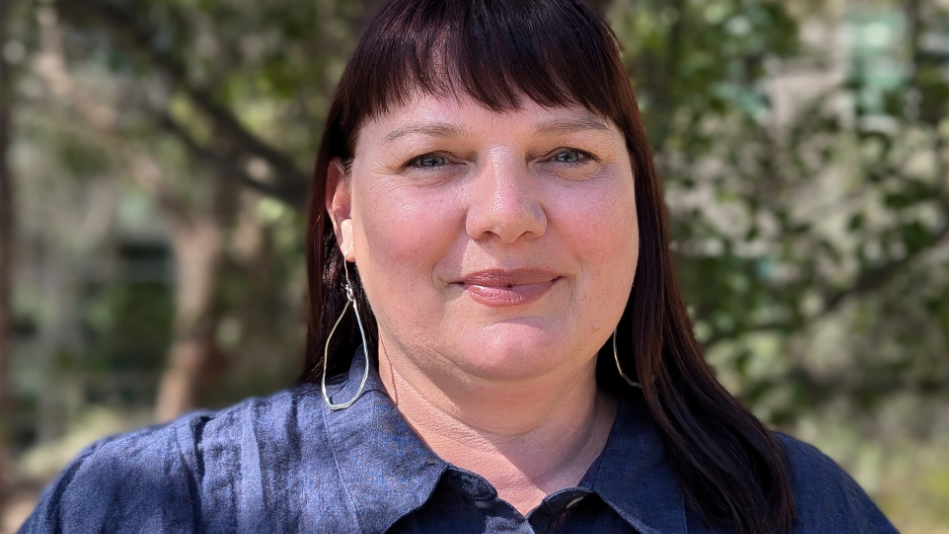
National Rabbit Management Coordinator
Heidi brings over 20 years of experience in the NRM industry, specialising in engagement and collaboration. She has extensive expertise in invasive species management, environmental water and project management, having worked across not-for-profit, private, local, and state government sectors.
Heidi served as the Victorian Rabbit Action Network (VRAN) Executive Officer at Agriculture Victoria from 2016 to 2023, where she led a participatory engagement process to enhance community capacity for managing rabbits across Victoria. In 2024, Heidi worked as a consultant, focusing on communications, partnership and stakeholder management. In addition to her work with CISS, Heidi is a member of Rabbit Free Australia and actively participates in the Australian Rabbit Managers Network. Her passion lies in fostering meaningful connections between people and the environment to achieve sustainable outcomes.
(From https://invasives.com.au/)