Where Are We At With Sneakers?
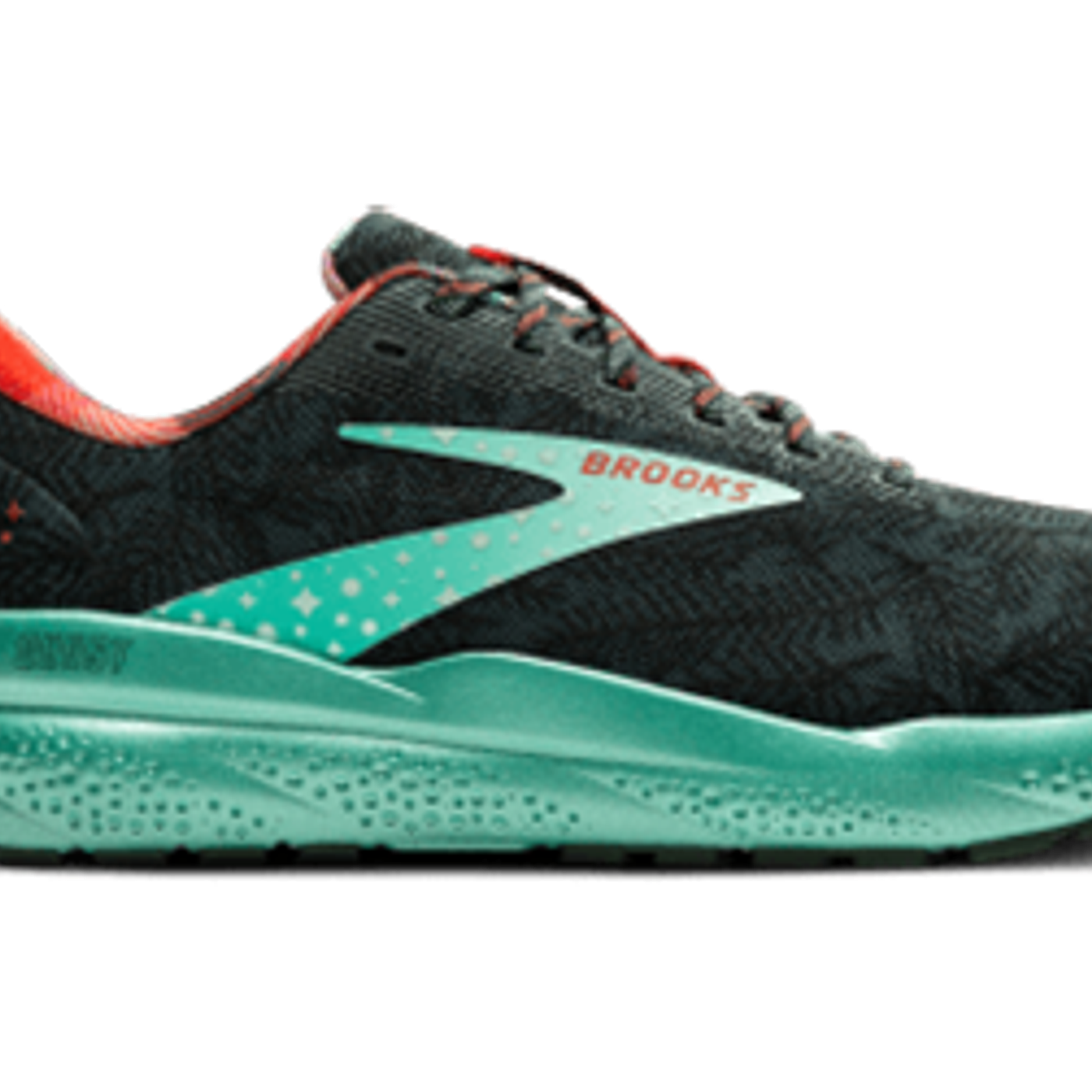
The first casual running shoes were invented in the 1970s, and within 50 years, some of them are so good that they're banned for competitions. But our feet didn't evolve to wear shoes. Millenia of improvements left humans with unique, brilliantly adapted structures for movement. A big brain and fast feet took us to the top of the ancient food chain. Now, we wear shoes every day, and for myriad activities. People like Professor Glen Lichtwark from QUT are trying to discover how we manage our movement, with or without shoes.


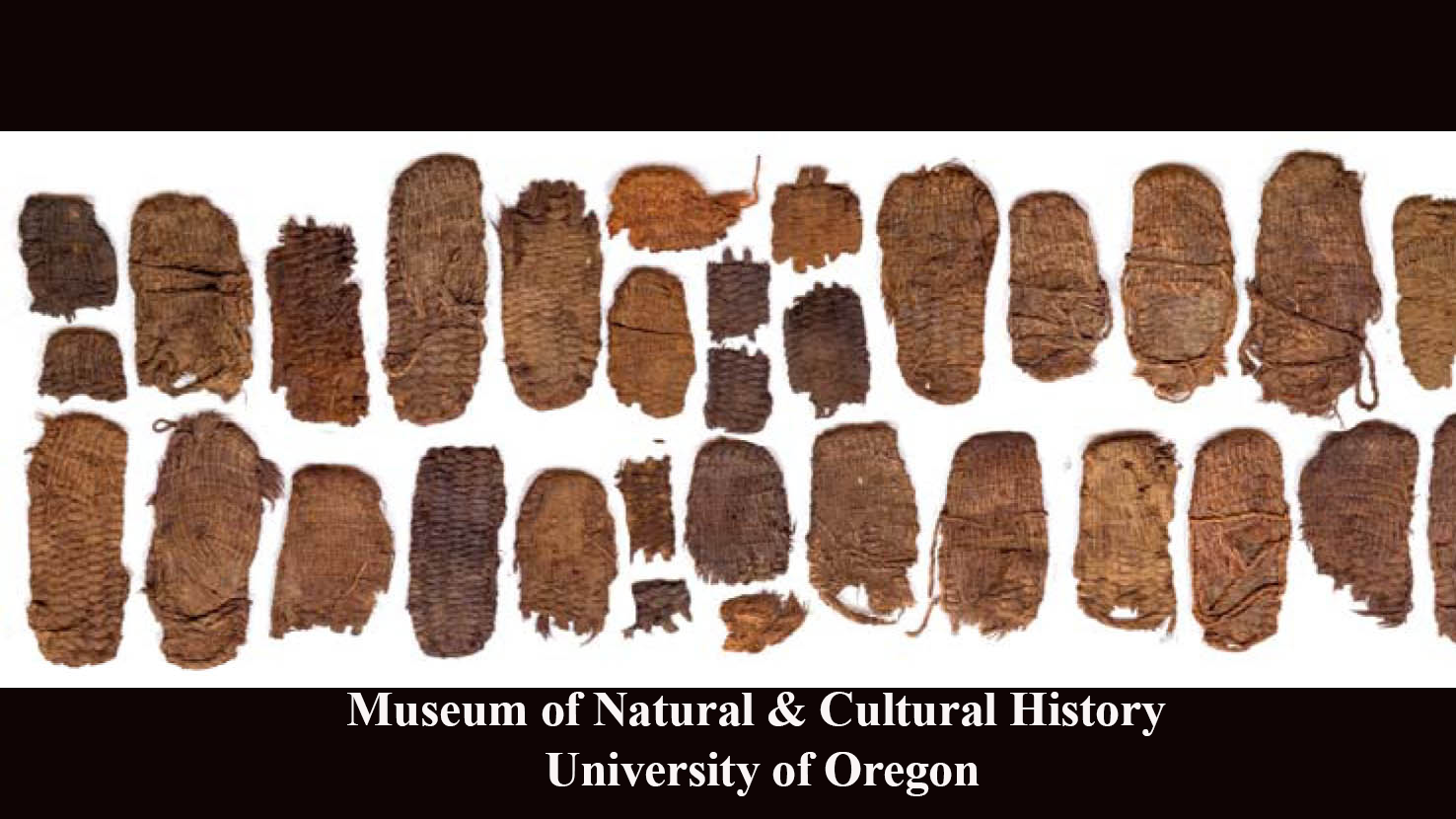
The oldest known shoes ever found. 8000-10000 years old.
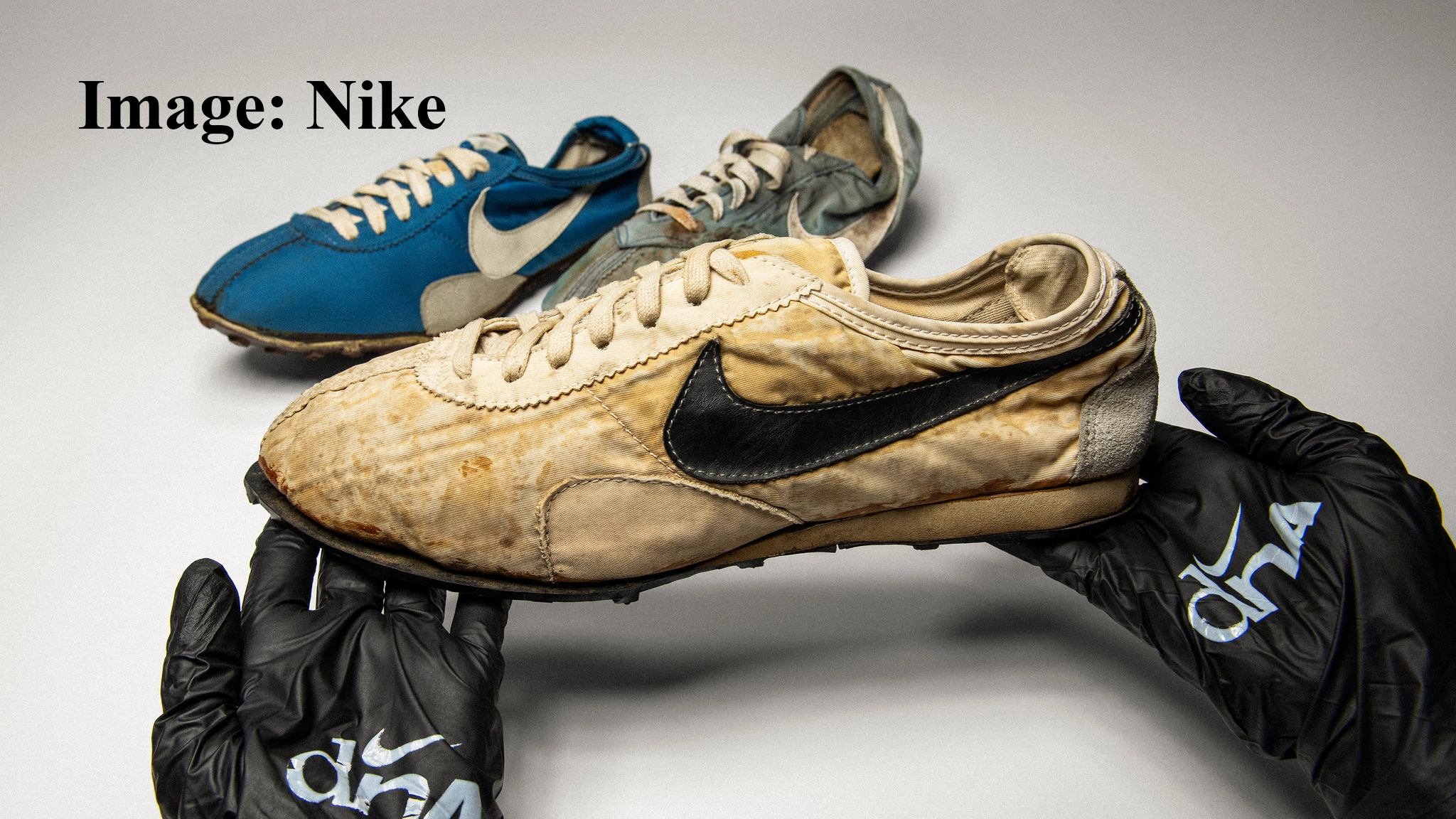
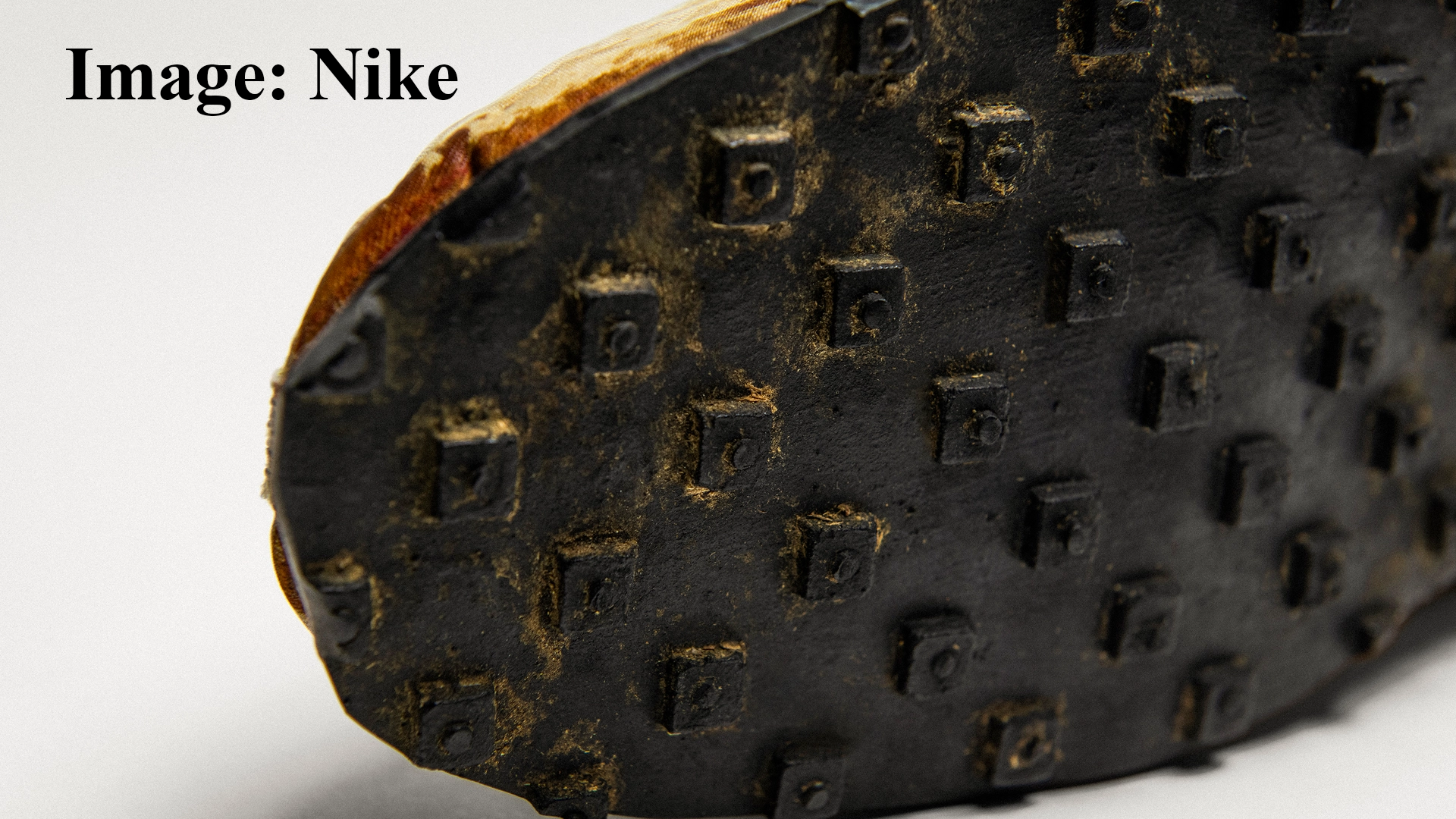
Nike Moon Shoe named for its waffle sole leaving a footprint like astronauts left on the Moon.
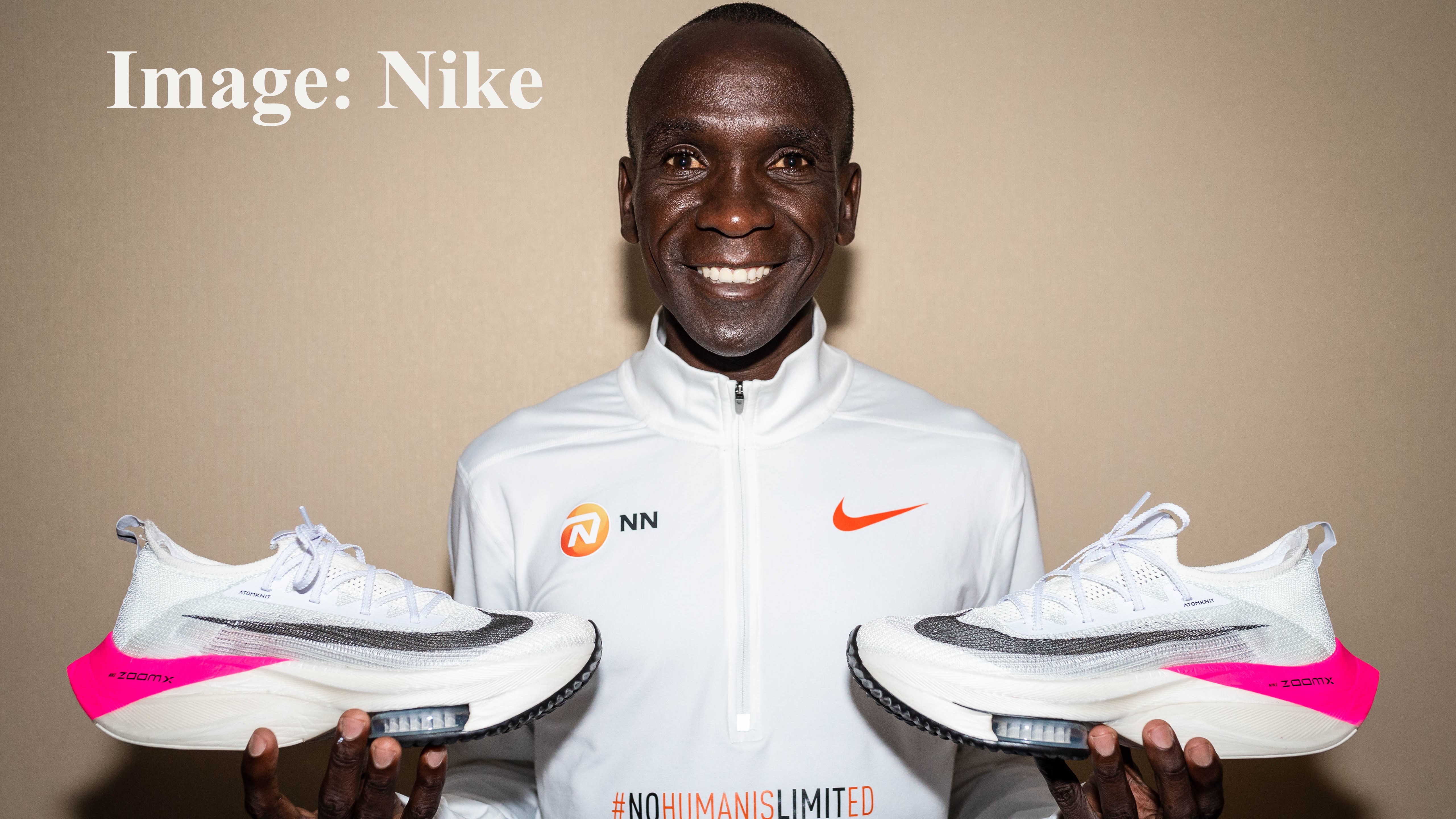
Eliud Kipchoge with his Nike Vaporflys used in his unofficial sub-2 hour marathon.
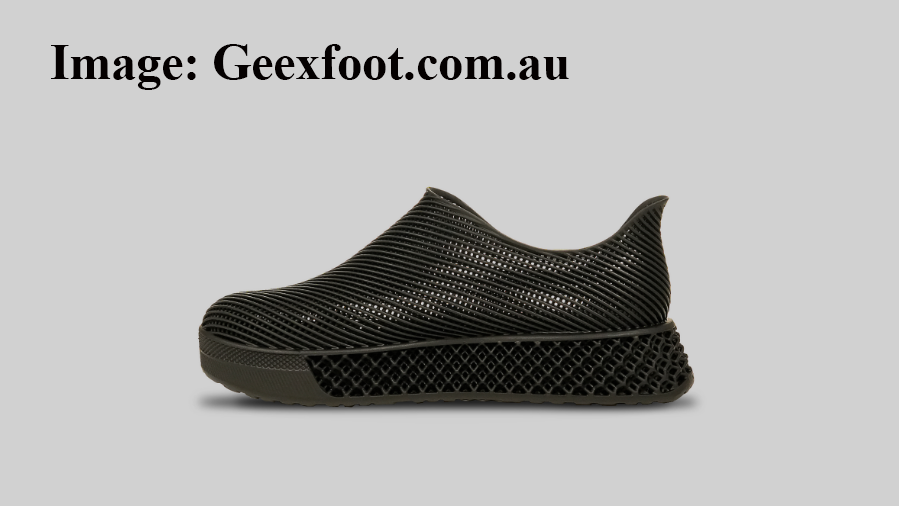
Companies like Australia's "Geexfoot" are already producing 3D printed shoes. This version uses what the company calls "eco-friendly, bio-based" materials, but is not printed for individually-scanned feet.
CNET article about 3d printed shoes
Professor Glen Lichtwark's paper on improving running economy with individualised sneakers

David V/O (00:10)
As long as humans have been around, we have had soles. No, not the theoretical, intangible, spiritual essence of being. The ones that are at the very end of you, under your feet. They're the rubber that meets the road, so to speak. Welcome to “Where Are We At With…?” I'm your host, David Curnow. The way we think about feet has changed a lot, especially since an earth-shaking invention in New Zealand.
The list of major inventions from New Zealand isn't that long. Sorry, cuz There's the electric fence. That's a good one in a land of many sheep. Then there's the tranquilizer dart gun, although sheep don't usually need that. Oh and there's zorbing. That's rolling down a hill inside an inflatable ball. Don't put a sheep in that. Today, though, we're more interested in one you probably didn't even realize had to be invented. Running. Not just running, but doing it for fun.
Jogging.
Clip from "Anchorman: The Legend of Ron Burgundy"
"Veronica and I are trying out this new thing called jogging. Or perhaps it's yogging, I'm not sure, the "j" may be soft, but apparently you just run... for an indeterminate period of time."
That's right, jogging or “yogging” was popularised by Auckland athletics coach Arthur Lydiard in the early 1960s. A visiting American, Bill Bowerman, was so impressed he started up jogging groups back home in Oregon. And then with fellow runner Phil Knight founded Nike and just over 50 years ago created the Nike Moon Shoe, initially ruining his wife's waffle maker to mould the rubber sole. Running shoes for everyday people. Sneakers. In 2019, a pair of Nike sneakers were used in the first ever sub-two hour marathon run by Eluid Kipchoge.
But it wasn't an official record, in part because his Vaporfly shoes were considered too good. That's right, from their birth from a domestic waffle maker just over 50 years ago to being considered technological doping. How do we get here? What is the latest research into the interaction between our brain, muscles, bones and tendons, as well as what happens when we slip on a pair of our favourite jogging shoes.
Professor Glenn Litchwark is the head of School of Exercise and Nutrition Science at the Queensland University of Technology. He spent decades looking at skeletal muscle structure and function, including how different muscles have evolved along with our brains to enhance our capacity for economical movement. Where Are We At With Sneakers (and biomechanics)? With Professor Glenn Litchwark.
David (02:53)
Professor Glenn Lichtvarch, thank you so much for your time today.
Glen Lichtwark (02:56)
Thank you for having me.
David (02:58)
I have gone with the German pronunciation of your name, I'm sorry. Litchwark, Lichtvarck, it's a multilingual thing, isn't it?
Glen Lichtwark (03:05)
Yes, I'm happy with it as long as it's a Giga comic line.
David (03:09)
We'll see how we go. Do you have a favourite pair of shoes?
Glen Lichtwark (03:13)
I kind of do have a pair of shoes but I don't know if I'm allowed to name brands because of potential biases towards my research and the conflicts that may present.
David (03:26)
It's alright, you can say Hushpuppies if you want. There's no problem whatsoever.
Glen Lichtwark (03:30)
Well, I do like my flip-flops or thongs
David (03:33)
Oh dear, we might ask about the ergonomics and biomechanics of those in a moment, but let's quickly talk about feet because everybody I've spoken to about this particular topic has raised something which I'll admit I didn't think about to start with. What is it with some people and feet, both disgusting and those who perhaps like them a little too much? What is it about feet?
Glen Lichtwark (03:56)
Well, mean, if you think about it, our feet are very different to most of the rest of the animal kingdom, right? We use them slightly differently. So most quadrupeds walk on their, essentially walk on their toes, whereas we put our feet down on the ground. You know, anything that touches the ground, I think people think must be dirty. And so that probably puts people off a little bit. But you know, they, it's when you're someone like me, you can marvel at the complexity of what they do and how they really do influence a lot about how we move and are really responsible as one of the key adaptations that makes us move the way we do.
David (04:31)
We'll get into some of those specifics about our locomotion and some of the unique natures of human feet and legs in particular, but you mentioned the way you move. Was that what got you interested in the first place? Maybe the song, I like the way you move or something like that.
Glen Lichtwark (04:44)
Yeah, I mean, I've always been interested in sport and movement. It's, and I've always been interested in maths and physics. So biomechanics is a perfect blend of that and so that's, that's how I got into it. And that's how I got into feet eventually. But, you know, overall, my interests have always just been about why we move the way we do and thinking about what it is that enables us to move in a way that makes us efficient. If we compare ourselves to a horse or to a gibbon or something like that, who move very differently to us. And just thinking about the specific adaptations that we have and how we can also continually adapt as well. That's the thing that I'm interested in. We can work with different environments. We can move in different environments quite easily. It's that link between the brain and the muscles and the skeleton that I'm really interested in.
David (05:36)
Okay, well, let's explore that part. Let's talk about human movement when it comes to some of the unique adaptations we have, I suppose, come up with, not necessarily by choice over our evolution. What are some of the key differences when it comes to humans and the bipedal movement versus many of the animals? You mentioned things like horses where there are four legs being involved, many others are the same. What are some of those developments?
Glen Lichtwark (05:59)
So there's a range of different developments that we as humans have evolved in. Humans and the great apes have a more flat foot structure which can basically allow our foot to sit down onto the ground. Whereas if we look at quadrupeds, they're right up on their toes such that what you probably think is their knee is actually their ankle. And so it's actually quite a little bit different than humans. All of those different animals have evolved in different ways. And so the great apes aren't great at bipedal motion, they essentially still walk on all fours. Humans have developed a way to grow bigger and taller, and to do that they become much more upright, and that's to be able to adapt to the loads that are going through their joints. So they act more like an elephant on a straight leg as much as we can, which actually reduces the leverage at a joint, which means that you don't have to use so much muscular control to be able to stand up. But more generally, humans are really good at endurance type movements like running and things and the things that have really enabled that, similarly to some other big animals, is having big long stretchy tendons which attach to muscles which can essentially act like springs and store and return energy as we move. And then we have the feet themselves, which also a little bit springy. They've adapted so that they can handle relatively large impact forces and they absorb energy within the structure. They act a little bit like a leaf spring at the bottom of your car and they can press on contact. the arch of the foot is primarily responsible for that. And there's specialized ligaments as well as muscles with tendons, which can all contribute to that elastic behaviour of the foot.
David (07:39)
We didn't get in touch with you because of your archaeological work. Do we have any idea though about when humans or at least our ancestors moved from four to two?
Glen Lichtwark (07:49)
Yes, it was a long time ago. the earliest, like Lucy has considered the earliest hominid species that was moving into bipedalism.
SIDENOTE
David V/O (08:00)
Quickly here on Lucy, you've no doubt heard of her. Named after the Beatles song Lucy in the Sky with Diamonds, her skeletal remains were found 52 years ago in Ethiopia. A single hominid, almost certainly a young adult female, around three and a half feet or 110 centimetres tall, most likely a species we now call Australopithecus Afarensis. Analysis of her bone structure showed extensive evidence that she walked on two legs,
making it one of the first hominids known to do so around 3.2 million years ago. But it's rude to discuss a woman's age.
Glen Lichtwark (08:35)
It's been a long time. I mean, we were thought to have walked out of Africa and all those sorts of things. And so it's not, it's a trait that's been evolving over a long period of time.
most of the early hominid species that you see all have those similar structures of a similar foot arch that has developed over time. But there is evidence of that. There's evidence of them having these big long stretchy tendons, the same as humans do, like the Achilles tendon. So it's something that's been evolved for quite some time.
David (09:05)
You mentioned the Achilles tendon. Quite often we imagine it based on the name, the Achilles heel, the Achilles tendon to be effectively like kryptonite or the, I suppose those stations in Star Wars where once you blow them up, everything can be destroyed afterwards. Are they our weakness or are they our superpower?
Glen Lichtwark (09:22)
or they're both at the same time. They are definitely our superpower. In fact, long stretchy tendons like the Achilles tendon are the superpower of most large animals. They are what really helps us to move the way that we do in a really efficient way because essentially, as I said before, they act like springs. And so as we run, those tendons are stretching, allowing our muscles to operate in a way that's really economical and then they return that energy. And so you're getting this sort of recycling of energy over time, which really saves us a lot of energy. The downside of that is that those tendons are more likely to break. So any stretchy rubber material or whatever it might be that you have, if you stretch it, if you continue to stretch and shorten a lot of times, there's a propensity for it to break at some stage. And so that's why Achille's tendon is one of the most injured of all the different soft tissues within human body, particularly when we runners as other types of athletic pursuits.
David (10:19)
And unlike some other, I suppose, body parts, is it the case where it has to be hyper extended or hyper stretched or contracted for that to happen? Or can it occur just because it's been overused over time?
Glen Lichtwark (10:32)
Yeah, no, so I mean, there's ways in which we can strengthen tendons. And so by doing different types of activities, we know that if you do strength work, for instance, the stronger that your muscle is, the stronger the tendon will get. And so we can create adaptations. so there are ways in which we can train tendons to be more adaptable. Now, that might also come at the expense of the economy of movement or something in some instances as well. But, you know, when we look at the really extreme athletes like our track runners, yes, occasionally they may get injuries, but a lot of the time they're able to run injury free through high loading and repetition. So they have that fine balance there between the strength required to be able to achieve that over lots of cycles and the number of repetitive activity that they're doing.
David (11:19)
Okay, let's quickly turn to the other end of the foot if we were, we've got our Achilles at one end. What about toes? A lot of us don't tend to think about our toes other than being, I don't know, embarrassed about them or not trying to keep them clean. Why are they important to us?
Glen Lichtwark (11:33)
Well, I'm going to be really honest with you, David, that I don't think it's really settled about why toes are so important. You can move without toes, of course. Plenty of people have amputated toes and they can still walk around. Now, they probably can't move quite as efficiently as normal. So the toes obviously provide a little bit of grip, but they also provide leverage for the foot. And so if you remove those toes, then the lever arm, as you're walking over, that the Achilles tendon is basically pulling on, becomes smaller and that creates less mechanical advantage for you to be able to power movement. And so definitely important for generating power during tasks like walking and running, probably even more so important for acceleration trying to start moving fast. They're really important to get that high leverage because we need that leverage to move. But you can move without them, they're not 100 % essential. Some of our research has also shown that the muscles which attach to the toes are really responsible also for stiffening the arch of the foot and that's important for the adaptability of the foot under different, different movement conditions. So when we're moving from a harder surface to a softer surface or we want to walk upstairs versus walking downstairs, making the foot more or less stiff depending on the requirement of the activity.
David (12:18)
Yeah. Because of course we evolved from having a toe that was effectively able to grip things, prehensile, the ability to hold onto a tree or something like that. And then our bodies changed that to bring them all in line in a sense.
Glen Lichtwark (12:52)
Yeah, that's right. And it's not just, they didn't just change the sort of the musculature in the skeleton, but also the way the brain interacts with the muscles in that now they become much more able to turn on when the foot gets loaded and turn off when the foot is unloaded. Now, of course, that doesn't mean you can't still use those muscles for doing those grip type activities. Obviously, there are people who use their feet for painting and all sorts of weird and wonderful things, but it takes training to be able to do that like anything. And so being able to train your, your brain to move those muscles in a very precise way is something that you actually have to train for and adapt to.
David (13:30)
When it comes to the locomotion, there's a lot of tendons, muscles, thought processes involved, and it's going to be very hard to sum it up in a short space, but just to give us an idea of how it all works together.
Glen Lichtwark (13:43)
That's a really tough question to, I spend hours in conferences just looking at one very tiny piece of that little puzzle. Listen, the only way we can move is with muscles. It's the same for any animal. Those muscles use energy. The energy means that the energy that they use is turned into mechanical work or power that we see. The way...
David (13:48)
One little.
Glen Lichtwark (14:04)
…that humans do it though is that, you there's a, there's a combination of, of neural control, spinal control. So some of it's automatic and just due to feedback and from the spinal level. But I guess, and some of it's pre-programmed. And so we kind of know how to do it from an early age. And we have some of those, some of those reflexes that are already there when we're born. have some of those pre-programmed movements that occur from an early age. And so it's a combination of those things. And the environment that we're, that we are exposed to helps develop that over time. So we obviously start to walk relatively young, well actually not relatively young, we're actually very late. Most other animals are up and walking within hours of birth. So we walk a little bit later than that. But you know, realistically, what we're trying to do is to sort of bounce from one leg to the other leg when we walk. And that bouncing mechanism, even when we walk in, we have two feet. And so that makes it very smooth. When we run, that becomes much more of a bounce from one to the next. And that is basically a loading and unloading of all the muscles and all the tendons that doing that. The tendons can act as springs during that process so they can stretch and then shorten. And that gives us the power to go to the next step. And then we can just modulate that from a mechanical perspective by increasing the amount of activation that we reduce, which might make us go a little bit faster or decreasing the activation make us go a little bit slower. But again, it's that sort of combination between pre-programmed sort of patterns that we have, the reflexes that we have that can help make small adjustments over time, plus also our perceptions of how we want to move. So that's the more cortical level control from our brains.
David (15:45)
When we talk about some of those reflexes or those automatic decisions, and effectively our feet are the furthest things from our mind, literally, does that mean that we don't have to keep sending signals back and forth the whole time?
Glen Lichtwark (15:56)
Yeah, I mean, it's something like that. mean, their feet do give some feedback, whether that's sensation or haptic feedback from the bottom of them. Obviously, if you step on a rock or something, you'll feel that. But in terms of telling the muscles what to do, you don't really have to think about your muscles turning on and off. In fact, and the way that the musculoskeletal is set up is it's got lots of degrees of freedom. So if something fails, it can still work okay, not necessarily perfectly. So an example of that is when we've done experiments, we've actually remove the ability to both feel the feet and to use the muscles in the feet by doing a nerve block at the level of the ankle, which basically use an aesthetic, which means that no signals can go up or down from that point onwards. And you know, while it feels funny to walk with no sensation in your feet, you can't feel them. And you also can't turn on the muscles in your feet to activate them. You can still move and you can still run. while it might have some changes in the way you move and that you start to use your hips and your knees more than you do your feet and your ankles, it is possible to do.
David (16:59)
And do people fall over during this experiment?
Glen Lichtwark (17:01)
I didn't when I was one of the participants. Mostly yes, those sort of ones definitely always have to be the first participant in those ones.
David (17:04)
Do you do them all yourself first?
Glen Lichtwark (17:12)
No, no, we didn't have anyone fall over when we did those studies. Obviously they have a harness above them just in case they do fall, but they're able to do it. Again, once you get up and running, of the muscles and the tendons and all those things can just adapt to the different stimuli. And that's the same for any external stimuli. We're walking from concrete to sand or otherwise, you can just find a way of adapting because we have all these different degrees of freedom in our body to be able to do it.
David (17:41)
Professor Glenn Lichtwark is our guest. He's from QUT. He's the head of School of Exercise and Nutrition Science. We are talking “Where Are We At With Sneakers?”, feet generally? What do we know about them? They're a long way away from our heads. Some people like it that way. Some people would like to be closer. Let's talk about footwear because humans began to do that. And other than the animals that we forced to wear footwear, horses, we're pretty much alone in that. Talk us through a little bit about footwear when it comes to recent history I suppose when it involves sports.
Glen Lichtwark (18:13)
Yeah, mean, I footwear obviously developed a long time ago, pre like, you know, thousands of years BC, um, as a protective mechanism,
SIDENOTE
David V/O (18:21)
Another quick trip back in time now. The oldest footwear ever found are sandals in the United States. They're about 10,000 years old. Ancient toe bones suggest we may have worn shoes about 40,000 years ago, while there are some possible shoe prints that are about 150,000 years old. And to think, now some people wear Crocs.
Glen Lichtwark (18:41)
We put something on your feet and it protects them. That really held true for a long period of time until, um, until, uh, really the industrial revolution and, and then shoes had a different function as well. They became everything from, um, to protect, uh, different parts of the feet and the top of the feet, uh, to fashion and also for performance. And so, um, from sort of mid-1800s onwards, there was always small developments in shoes for the performance factor. Firstly, putting spikes in the bottom of the shoe to add grip, particularly because most of the running was done on grass and other things at that stage. And then a lot of the newer developments in footwear started from track and field. And so all of the big footwear companies that you can think of now will have all started somewhere in the sort of early 1900s to the late 1900s with some new novel adaptation that has progressed us further, whether that's making footwear lighter or adding cushioning, adding different types of cushioning. And there's been a real evolution of how that has played out over time, particularly in terms of what it is that people are trying to get out of that footwear.
David (19:49)
When we think of sportswear and sports footwear, suppose, the big ones come in the form of basketball, early 1900s, and then track and field, particularly from say that middle of the 20th century, people like Jesse Owens wearing the shoes at the Berlin Olympics, things like that. And then we move into jogging when it comes to foam and support. Do those different shoes create different effects on our feet that have effectively evolved over millennia to do different things.
Glen Lichtwark (20:18)
Yeah, not just our feet, but our whole body actually. And so again, and that's, it's partly due to this evolution of why we run as well. And so obviously we can run their foot quite easily. in fact, it became again fashionable again at one point in the 2000s to run their foot and footwear design started reflecting that for a period of time. But each of those different adaptations is for something different. And so obviously the early track and field shoes, including the we call as the adidas shoes. So were designed primarily to be lightweight plus, but have grip on them and provide some rigidity for the foot. And then as there is an evolution over time, so we moved to doing more longer distance running and more leisure, particularly more leisure running and shoes are starting to cater for a much different clientele, a different type of clientele. And so that's when we see the invention of all sorts of different things. You mentioned the basketball shoes there, know, basketball shoes, famously things like everything from the Reebok pump to the Nike Air soles. So moving for different, primarily just different ways of providing cushioning for the feet. And the reasoning there was really to try and protect not just the foot, but the whole body from those high impact forces that occur by adding that cushioning.
David (21:36)
How much science was there in those early days of adding cushioning, I suppose, and gimmicks such as an air cushion, a gel cushion, things like that? How much of it was based on, we think this is ergonomically great, and how much was, we can probably sell this as being comfortable?
Glen Lichtwark (21:53)
I think there was always a basic mechanical argument as to why those things were done. But also once you have that mechanical argument, you then have to put the marketing around it. And that's where things probably get out of hand pretty quickly. We started, you know, I'm pretty sure that the Reebok pump doesn't do much in terms of being able to pump up the front of the shoe. the air cushioning is just a form of cushioning, right? And then there was gel cushions, which is a silicone gel within the shoe, which was another way. And it's just a way of changing the feel of the foot underneath. And so there was some real science behind that. The biggest problem with a of those shoes over a period of time is they keep on getting heavier and heavier wasn't great for performance and the new revolution that we're seeing in footwear in sort of starting from the 2010s onwards is to really lighten that footwear so still including some cushioning but really lighten that footwear as much as you can because there's a massive increase in running economy for a reduction of weight it's something like one percent reduction for every 100 grams that you lose from a shoe.
David (22:57)
That's a lot. One percent doesn't sound much, but 100 grams, that's not very much. You can save quite a bit if you can really reduce your one kilo pair of shoes down to something much lighter.
Glen Lichtwark (23:05)
Yeah, and there was a period of time probably between the 80s and the early 2000s when the focus was really on trying to increase the amount of cushioning the shoe had and that really increased the way that the shoes, such that a lot of shoes were in the 400 to 500 gram range for a shoe. then that's come down now where the top level shoes now for running are only 150 grams. And so just by weight alone, you're already getting a 3 % increase in running economy.
David (23:35)
There's a lot to go into there. I'm really keen to talk about runners economy as it were, but when we talk about that cushioning, the weight, things like that, a lot of that was about stopping the feet hitting the surface too hard and absorbing too much impact, basically giving you sore feet as it were. One of the criticisms of the barefoot movement, including the book, “Born to Run”, we talked about the barefoot movement was that these shoes effectively were causing us to run differently. Is that a fair criticism, those shoes at the time?
Glen Lichtwark (24:03)
I don't know if it's a criticism, it's a fact. I mean, as soon as you remove some of that padding from the heel of your foot, you tend to want to run more on the forefoot of your foot, which is typically how, you know, we probably did run when we didn't have footwear or at least a lack of footwear with cushioning in it. And so I think, you know, and so it's a reality. But if you haven't adapted to running like that, there was a chance of overuse injuries, particularly in those springy tendons, which we said before, are really susceptible to injury these tendons and other tendons within the body. But the alternative on the other side is if you don't run like that, then you often will have other injuries, so hip and knee injuries when you have too much cushioning at the heel. So there is a balance there, and it's probably different for everybody, and it depends on everything from your size, your shape, how you've developed in terms of your motor program, running, and all those different things.
David (24:59)
We talk about different size, shape and balance. think for a lot of people, first they learned about the way they moved was perhaps school, perhaps a little bit after when they started hearing things like pronating, supernating flat feet, high arches, all those sorts of things. You could be forgiven for thinking all humans are kind of broken when it comes to our foot and muscle movement down there. Is that something that's recent or just something we've become more aware of recently?
Glen Lichtwark (25:24)
So, you you said about the evolution of how we've been thinking about feet. So there was a long period of time when a lot of the research was looking at whether or not a particular structure or feature of the foot or the leg or otherwise might make you more or less susceptible to a particular injury. And unfortunately, most of that research hasn't really found any really strong links to specific injuries. so whilst there was a big move for stability shoes for a period of time, which, you know, if you were an overpronator, you should get this shoe or underpronater or supernator, you get this type of shoe. The science really over a long period of time hasn't supported the fact that any one feature is going to make you more or less susceptible to injury. In fact, it's probably either far more complex. Obviously, there are some areas where if you really turn your ankle in too much, which is probably a motor control issue, then there's probably a likelihood of injury, but it's probably not because of shoes. It's probably just because your body just can't handle those sort stresses and strains anyway. And so there's been a bit of a movement away in the advanced footwear technologies in terms of trying to, in fact, a lot of the newer research says that you're better off allowing the foot to move the way it wants to move and the shoes that feel most comfortable, which means that they're working with your motor control patterns that you've grown up with are probably the ones that are going to be most beneficial for you and likely reduce injuries. And there's actually some really good studies in military populations which have shown those sort of things.
David (26:55)
Right. So, but that's difficult for each person to go out and try every single shoe to know. Do they go to a podiatrist? What's the way of finding that out?
Glen Lichtwark (27:03)
So podiatrist is a great source to talk to because they'll have a bit of slightly more natural feel having seen people and prescribed footwear to many people with lots of different foot types. But you know, it really is trying a few different shoes on and trying to find the ones the best for you. I but in saying that, that's still part of our research now is trying to work out, what it is about the way somebody moves that might lead them to having preferring a specific type of shoe versus another type of shoe. Even the shoes that make you run faster and run more economically, some people don't prefer to necessarily run in those shoes. And so whether or not that might be because it's putting too much stress or strain on their body or otherwise we don't really know. But you know.
But either way, think it's, it is still an area of interest to try and be able to say for you who runs or walks like this, this is the best shoe for you.
David (28:04)
Is there any way of changing the way we walk or run? Can you go through a process or once you've learned that's how you do it?
Glen Lichtwark (28:10)
No, I mean, there's lots of both clinical interventions. So particularly podiatrists or physicians or physical therapists or physiotherapists might implement lots of different techniques to try and change the way somebody moves. They probably come with a bit of mixed success. So because we really do have these, you know, we really do have a pre-programmed way in which we do like to move. But it is potentially possible to do that. I don't think that it's something that I would recommend people do a lot of because, you know, typically you'll get a relatively short-term gain, not a long-term gain.
David (28:55)
Let's then talk about some of the shoes you mentioned there. part of the reason for talking about sneakers and sports shoes in particular is the fact that it's really only 50 years since we began cushioning shoes for sports and we're at a stage where some are banned in competition because they're too good. How does this happen and what are the ways that they can be too good?
Glen Lichtwark (29:16)
So there's, we've already mentioned the fact that shoes are now getting lighter. And the reason they've got lighter is because of big movements in the materials that they're using to make those shoes. They're using foams which are lightweight, but they're also much more spring-like. And so they actually give back a lot more energy than previous types of foams. And so we sort of said before that the foot can act a bit like a spring, so it compresses and absorbs energy and then it extends and then releases energy. The amount of energy that it's actually releasing is greater in a lot of these new foams. Foams have also been getting thicker and that means that you can get more elastic energy return from the foam. And potentially also getting a little bit of extra leg length, which can be beneficial for an athlete to increase the length of your leg. And the other big innovation that's occurring is a stiffening of the forefoot by using a carbon-fibre plate within the running shoe. that is a little bit like we discussed earlier about the toes. This basically means that the toes don't have to provide that leverage and that leverage can be provided by the plate itself. So that there's some combination of those things all are contributing to the improved performance that we're seeing from these new footwear.
David (30:28)
And does it increase the amount of energy returned more than the amount that's put in? Are we basically wearing “Flubber” or jet engines on our feet using them?
Glen Lichtwark (30:35)
No, it doesn't. can only, you never get more energy back than you put into it. That's, if we did, that would be like a perpetual motion machine.
David (30:43)
It would solve the energy crisis right now.
Glenn Lichtwark
Yeah, exactly. But it's, you know, a shoe, a modern shoe might give back something like 80 % of the energy that you put into it. Whereas previous versions or previous phones from 10 years ago or even before that are only giving something like 60 to 70 % of the energy back. So we're getting a substantial increase in the amount of energy returned. You still have to put that energy into it. So the faster you go, the more energy you're putting into it. And so your muscles still have to do that work. But once you're up to that speed, you can get more energy back, which means inevitably that your muscles don't have to do that extra work to give you that extra sprint.
David (31:18)
Okay, so it's not like you're on an e-bike and you're just cruising up the hill gently and you are actually having to work harder to put that energy in and then you will get slightly more back than you might otherwise. What's the energy return for barefoot?
Glen Lichtwark (31:33)
So our muscles and tendons can return something like 90 % of the energy that is stored within them. So it's about 10 % that we lose from that process, which turns into heat. And that heat is actually what ends up causing injuries to tendons. So tendons get too hot and then they break because of stress relaxation on the tendinous tissue, yes, but we also lose energy in other places in the body. for instance, underneath our heel, that will actually lose energy and that's probably losing closer to 70 to 80 % of the energy that goes into it. So it's actually losing a lot of energy, but it's not a very thick tissue. And so the amount of energy actually absorbs is probably less than the amount stored in return in our tendons.
David (32:13)
These so-called super shoes, the high-performance shoes as it were, I understand that they're not linear. It doesn't make every single person 12 % better. Why do we think that is?
Glen Lichtwark (32:24)
Well, it's again, it's that complex interaction between how our body wants to move within the shoe and what the shoe will give back to us naturally. And so what we think is that, you know, let's say there's a shoe which on average gives back four percent, makes you four percent better in terms of your running economy. You know, one person may be eight percent better and the other might be zero percent. And so the differences between those are likely to do with how they're actually moving in those shoes and how their body then adapts to that. And so we said before about how the different systems within the nervous system that control the movement. if we instead, once we go into a shoe, which gives us more energy back for one person, they might take that energy back at the foot. Another person might then absorb that energy more at the knee or something or otherwise. And so it's just really difficult to understand exactly where in the cycle or where within those different parts of the body are going to be affected by the change in the footwear. So we know that the footwear is going to give you back more energy no matter what. We know that the footwear is going to give you more leverage. But if your neuromuscular system isn't adapting to that to take advantage of it, then you're going to get a decrement. if it can actually say, actually, this is even better than I was moving before and with the other pair of shoes, then you can actually improve that even further. And so it's just that complex interaction. That's certainly an area that we're interested in as well. And it goes to that sort of individualization of the footwear. And, you know, not only do we want to individualize that for improving your running performance, but also reducing the risk of injuries as well.
David (33:59)
We'll get onto that in a moment because that's been one of the key points of your work in recent years, that idea of optimization for individuals. We did talk though about runners economy. Let's just quickly explain what that is. And is it similar to, I've heard about things like the “police beat” walk, the ability just to walk in such an economical fashion that you're barely putting energy in just to keep yourself moving step by step. How does it work?
Glen Lichtwark (34:22)
So economy of movement is just how much energy you consume to move a certain distance. And so, you know, humans move with an economy roughly 30 % economy so that we were using roughly or maybe even less close to where you're four times more energy than we're actually generating to move. That's pretty good in comparison to other animals. So lots of small animals, their movement economy is very poor. But the way in which we achieve that ⁓ overall is similar for you and me and people of all different sizes in that we're, we're using similar sorts of mechanisms to try and minimize the energy we use. So I've already mentioned tendons being spring-like and storing returning energy. But we also vault over our legs in a way that can, you know, essentially make us look a like, like a compass revolving over, over, over, over itself and that sort of compass-like gate is also a way in which we can minimise the energy. And so it's actually possible, and this is a big area of robotics at the moment, working out the ways in which we can minimise how much energy we have to put in the system to keep it moving.
David (35:29)
And different people have different levels of that. Is that right? Yeah.
Glen Lichtwark (35:32)
100%. Yeah. So if we think about running again, there are, you know, highly trained athletes, for instance, typically have a much higher economy. Now it's not always the case. You can have some runners who don't have such a good economy, but they have a big engine to be able to drive that movement. And so they're still able to compete at a high level. mostly we see that people are adapting to be able to run at those high speeds. And, you know, it's probably partly the reason why we see those athletic builds being very similar once they get to that level because it's an athletic build which is conducive to high economy. But you know, they still have to have all the strength and they have to have the springy tendons and all those sorts of things and a motor control pattern which is conducive to high economy.
David (36:17)
Professor Glenn Lichtwark is our guest on “Where Are We At With...?” He is the head of School of Exercise and Nutrition Science at QUT. You've also spent time at UQ for a number of years, Griffith and Imperial College London and the Royal Veterinary College. They don't wear many shoes, I'm told.
Glen Lichtwark (36:32)
Yeah. Well, you have to wear shoes at the college itself. The animals don't wear shoes. Yes, no. So I've spent a fair bit of time looking at different animal species. you know, particularly horses are quite fascinating in that they can move really quickly as a large animal.
David (36:38)
Haha
Glen Lichtwark (36:50)
So we spent a bit of time looking at how they are able to swing their leg as fast as they are and they again use these elastic tendons to essentially catapult the leg forward from stride to stride.
David (37:02)
What about other animals? What are the some that you look at and marvel at their economy or the way that they move? I'm thinking particular, think, macropod. Are there any others?
Glen Lichtwark (37:11)
Like gibbons and monkeys and how they move through the trees with their arms. And so they're actually using a similar principle to the compass gait that I said before, where you're basically moving from one arm to the other, but instead of going over the top, you're going underneath and so they can move with incredible efficiency while they're doing that. It also requires incredible grip strength and other things to be able to achieve that. But, you know, that's one of the real fascinating types of gaits. Another one which is interesting is just, you and I'd say this through some work from a colleague of mine and my supervisor, Professor Alan Wilson, the Royal Veterinary College. You know, how humans can adapt to moving with other animals. So how jockeys move on a horse, for instance, and how they move particularly out of phase with the horse so that the whole energy of the system is actually minimized. So as the horse goes up, they go down and vice versa. And that actually means that this movement of the holes in her mass is reduced. We can actually improve running performance. And you'll see that over time, over history, you see that the way in which jockeys have ridden has changed from a very upright bouncing up and down pattern to this pattern where they're moving out of sync and that's improved raising times.
David (38:17)
Wow. I was looking at some of the research work that you've done in recent years, including the research council funding for something called the Grand Challenge of Predicting Human Movement Energetics. What's that all about? Why is it so grand?
Glen Lichtwark (38:31)
It's because we're actually just not very good at predicting how much energy it costs to move right now. And that's because of lots of different reasons. One, because it's actually hard to know exactly how much energy a muscle uses to do a particular contraction state. We actually know a lot about the individual muscle fibres themselves. Once we put that into the whole system where we have muscles of different shapes and able to reduce different forces, we put them in series with these tendons that are some are stretchy, some are less stretchy. And then we have the control strategy of the brain actually driving that. It becomes really complicated to understand how much energy we're using. And so to be able to do that, we actually have to really just reverse engineer each of those individual steps to be able to get good estimates of how much energy it takes to move. we're really interested in trying to understand the whole system. And so why is it that we cycle at a rate or a cadence which doesn't minimize the energy we use, but when we walk and we run, we always choose a speed or a cadence that does minimize how much energy we use. So all those different problems still need to be solved.
David (39:42)
Wow. And we talk about the research and I mentioned earlier the idea of do people fall over when they do these tests? What are some of the ways you go about testing these theories or studying them? Are we talking treadmills? Are we talking some sort of obstacle course challenge where we're leaping from tree to tree? What are some of the ways that your research goes about this?
Glen Lichtwark (40:00)
I'm definitely going to use the obstacle course now. So we use a range of different tools. So we're measuring motion using motion capture. And so typically that involves dots on the body like the animation and measuring precisely how the body is moving. So we combine that with things like measures of the forces that are applied through the ground, through what we call force plates.
David (40:03)
Hey.
Glen Lichtwark (40:24)
And then we use modelling and simulation to be able to look at how much the muscles are changing length each time. So we actually have a simulated model, which tells us, you know, if these bones moved to here, then the muscle must have shortened by this amount. We also put ultrasound on muscles to look at the muscles as you're walking and running. So we can actually look at the muscle fibres functioning. And then we try and combine that with other things like,
all the way down to the fibre level. we might have, we might take biopsies to understand what the muscles are able to do in terms of their, in terms of how much force they can produce, how much power they can produce, how much energy they use at the fibre level. And so we can combine all that back up to try and either work out how much energy we use or how much we expect, you know, the hamstrings to strain during a particular activity.
David (41:09)
And obviously this isn't just to benefit the big footwear companies to make more expensive shoes for all of us. This is about helping real people out in the real world. Excuse the QUT analogy. What are some of the areas that that can manifest in?
Glen Lichtwark (41:23)
So we apply it in lots of different areas. Obviously, we've already spoken about footwear and shoes, but how do we then use that knowledge to understand how an athlete can produce more power? whether that's a volleyballer trying to jump higher or a sprint starter trying to start faster, how can we use that information to tell us about how to improve the treatment for somebody with a neuromuscular disorder like cerebral palsy where the link between the control from the brain down to the muscles might be varied and over time that might cause different types of adaptations. How might we be able to minimize the risk of injury? So understanding the adaptations that occur to a muscle which reduces the stresses and strains that are placed on it during a particular movement. So hamstrings is a really good example of that where we have lots of hamstring injuries and understanding different types of training mechanisms and what adaptations they have to the muscle to reduce the rates of injuries.
David (42:17)
What are some of the things that you've found in your years looking at this that have, I guess, either surprised you or at least had then some good result out in the real world where it's able to be put into practice?
Glen Lichtwark (42:29)
There's lots of different areas. One area, again, it's not the research that I've done, but an area that our research has been applied a lot in because we try to understand how much energy return is coming from a tendon during a task like running is the application of that towards people running with prosthesis. obviously prosthesis, running prosthesis in particular, were designed to be like springy ankles and springy feet. But that also means you can really manipulate those things greatly. And so our research has been used to sort of try and understand whether we should be allowing people to run in those, run against able-bodied athletes essentially, or not run against able-bodied athletes. And, know, you know, yes, and return of energy is important, but you still, as I said earlier with shoes, you still have to put the energy in to get that out. But there's all sorts of other adaptations that occur too. if you have your leg too long, that can actually create a weight advantage, a weight to height ratio advantage. so that's one area where researchers have used a lot in that prosthetics design.
David (43:27)
And of course, it was a very popular or at least very newsworthy conversation while Oscar Pistorius was attempting to and then in the Olympics when it came to was there a benefit or not, obviously after his conviction, the conversation became a little quieter, but it's still quite relevant for people who perhaps need prosthesis for general day to day, not just the Olympics. As we heard in our “Where Are We At With Replaceable Body Parts?” episode, it makes a big deal in terms of the locomotion and movement, weight, length, all that sort of thing has such a huge effect on the way we walk.
Glen Lichtwark (44:01)
Yeah, and certainly the other area that our research is applied to in that space is the active exoskeleton or active prosthesis where, where again we're trying to mimic that sort of storage and return system, but we're doing that with systems that were designed for more motor driven type tasks. And so A, you have to control the, try and change the way that the processes works in terms of the control, or you can also start to add elements of elastic tissues and things into, or elastic elements into those types of prosthetic designs so that they can actually function more like, like a foot. so you'll see now actually, if you look through the right parts of feeds, you'll see that Nike has just dipped its toes into providing exoskeleton support shoes. So basically this is a shoe that you put on that has a little motor which attaches to the bottom of the leg and they can actually provide assistance to the person as they walk. It actually produces some of the power at the ankle that you need to walk. And that's designed primarily, I think, at an older age group to keep people moving for longer. So it's a bit like your electric bike. But again, it's the same thing where the research that we do, which is trying to understand the mechanisms about how we actually do things is important for the design of those types of devices.
David (45:18)
And of course, the other place that it's been in the news lately has been in a military sense. guess a lot of people imagined over the 80s and 90s that the first time we'd see that would be in mech suits or something like this. And while it perhaps wasn't initially developed for that, things like the “Hypershell” now being used in Ukraine for artillery loaders and items like that. Is that the similar concept using that ergonomic design and return of energy?
Glen Lichtwark (45:39)
Yeah, it is exactly the same. And ⁓ there's lots of startup companies in the US now doing all sorts of things with exoskeletons around the around the spine to help assist in lifting to exoskeletons at the hips as well in particular, for doing those sorts of things. So there's all sorts of different assistive methodologies. The key to that has been really, if you don't understand how the body actually works in the first place, you can actually have a negative effect. And so by adding assistance at the wrong time, we're not understanding how the neural system is going to react to that external stimulus. And you might, you know, a lot of the time you can actually trigger unwanted reflexes by trying to assist. And so a lot of the work that's been done there is trying to work with the body rather than working against it.
David (46:22)
Yeah, I noticed also that some of the other work being done in this space is from your former colleagues at UQ. They're working with motor neurone patients, the ability to assist and work with the patient's current strength rather than against it.
Glen Lichtwark (46:35)
Yeah, exactly. And that's exactly the approach that we have to take for that, you know, in motor neurone disease, there's both, there's, you know, there's a reduction in how much you can use your muscles. And so you're trying to add to the muscles being used, but again, it's being able to know when to turn it off and when to turn it on, but also to make sure that the muscles are still able to provide the stimulus, which is driving that, because if you don't use, use that stimulus, then you're going to lose it.
David (47:01)
It'll effectively atrophy if you don't use it. We can't just all be in machines that walk around for us.
Glen Lichtwark (47:06)
100%. And yeah, so I think that's, that's, you know, it's going to be a real future focus, I think is how we can sort of design footwear or ex or exoskeletons or otherwise to try and assist the body.
David (47:21)
Let's talk about the future and include a little bit of what we mentioned earlier in your work when it comes to optimization of footwear. Tell me a little bit about what you have found when it comes to that and what your recommendations are, what you think should happen for footwear for people.
Glen Lichtwark (47:35)
Yeah, so I think it's going to be, things are going to change quickly because we're now moving into a period where we can fairly rapidly change the properties of a shoe or otherwise through 3D printing and other things. And so I think that what we're going to see is that with the ability to also measure how the body moves a lot easier. So we've got computer vision, can measure how the body moves really rapidly. We're going to see an ability to assess how somebody moves very quickly, not just their individual characteristics, like their weight and their height and their leg lengths. And we can understand the forces that are acting on them and then by using the sort of big data approach, we'll be fairly quickly be able to see that a person that moves in this way is going to need a shoe with these types of characteristics. you know, within 15 years or so, I think that you'll see much more highly personalized prescription of shoes, particularly for populations that are either
suffering from some kind of musculoskeletal injury but also those who are trying to run faster or jump higher or whatever it might be.
David (48:50)
As it is, you go to a good footwear shop, particularly a good sneaker shop or something like that, and you'll stand on things which show where the pressure is and take videos. But the 3D printing is literally scanning the entire foot and creating one. You can even do it yourself if you've got a good enough 3D printer these days. I suppose when we look at the future, what are some of the things that we still don't know? What are the big areas for you in the next 10, 15 years that you would like to find out or at least find out from other people, even if you're not the one discovering them yourself?
Glen Lichtwark (49:21)
Yeah, well, it probably will be more likely other people not me.
David (49:24)
Don't talk yourself down.
Glenn Lichtwark
So I think that the first thing that needs to be understood is what it is about the spring-like behaviour of one individual that will interact with those cushioned or storage return of the different materials under the shoe are made of. And not only that, but where those are placed. the foot is distributed along a period, those cushions are distributed along the whole length of the foot. And so, you know, do we have uniform? Most shoe footwear at the moment will have different types of foams at different parts for some effect. They don't really know exactly why they're doing that in my view, but there would be some logic. But I think that by understanding the way in which the person bounces versus the way in which the tissue responds, it's kind of like finding the best pogo stick for you. I think that'll be something which we'll achieve relatively quickly. And I think a lot of research across the world is already moving in that direction. ⁓ And so that's one of the sort of really early things that I think we'll be doing. I think that there will be a lot more movement in that assistive device space and also not just on the motor side, but also on the sensory side. So what sensory feedback are we giving people within the shoe? And so this is particularly relevant for clinical populations.
So there's lots of work around at the moment around providing different types of insole textures for different clinical populations to give them more feedback, which helps with their walking, but also artificial vibrations within the shoe to be able to, know, in Parkinson's disease, for instance, providing a vibrating stimulation to allow people to have feedback, which can automatically help in some of the pathways, neural pathways that aren't unnecessarily working correctly. I think, yeah.
David (51:19)
So like the ripple strip is on a highway, just giving you that haptic and
auditory feedback or whatever it might be just to correct a little bit.
Glen Lichtwark (51:26)
That's a great example. Yeah. So it's exactly that. So you have that little bit of feedback which can help out. And so I think that'll be something that'll happen fairly rapidly. I also think that the biggest thing that we're missing in the research world at the moment is, you know, a lot of people buy shoes that are designed for running to walk. And there really isn't enough research out there. And I think this will be something that will evolve over time, particularly as more and more,
there's more and more market share of different footwear companies across the world, is shoes that are designed much more for walking as opposed to running. And I think that's something that's been really under-researched. And I think in the next 10 years, you'll start to see this trend towards walking specific shoes as opposed to running specific shoes.
David (52:13)
Watch this space. “Where Are We At With Sneakers?” Professor Glenn Lichtwark, thank you so much for your time today.
Glen Lichtwark (52:17)
Thank you.
David V/O (52:25)
A big thanks to Professor Lichtwark for his generosity and patience. You may never think the same way about how you walk or run. You can check out some of his work with links in the show notes. There's also a link to our website, wawawpod.com on the app that you're using at the moment. Don't forget to leave a review or rating there. That helps others find the show and hey, why not suggest the podcast to friends who might be interested. I'm David Curnow. Thanks for listening. Goodbye.
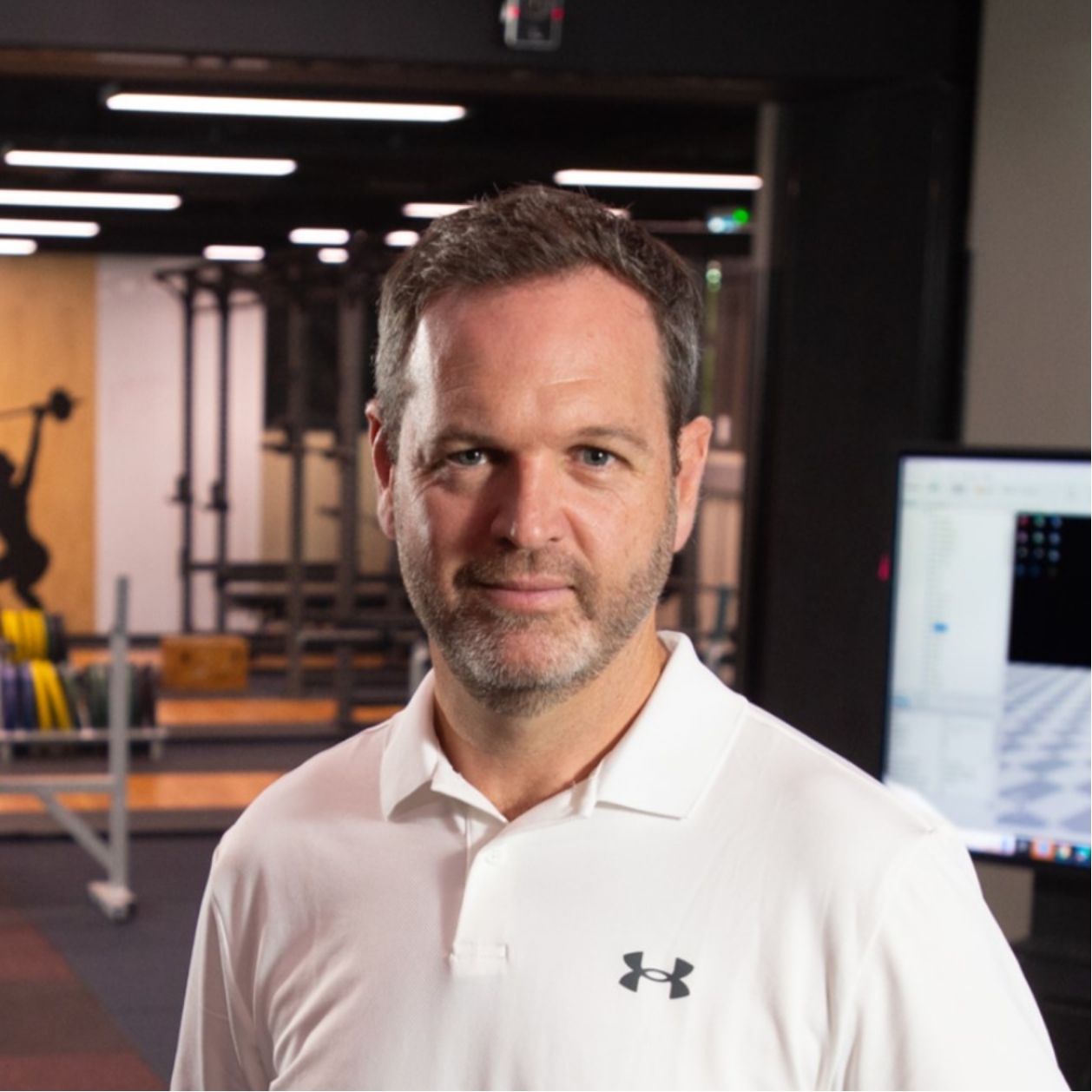
Professor
Glen Lichtwark is an internationally recognised leader in biomechanics whose work focuses on understanding how the human body produces movement and enables diverse performance. His research explores how muscles, tendons, and joints adapt to exercise, and how this knowledge can be applied to improve athletic performance, reduce injury risk or improve clinical rehabilitation. Current interests include how specific training influences muscle and tendon health, how footwear and foot–shoe interactions affect performance, and the use of advanced video based technologies to better understand joint loading and energy use during sport. Glen is currently Head of School, Exercise and Nutrition Sciences, where he oversees education programs in sport and exercise science, clinical exercise physiology, and nutrition and dietetics.